Register

Accident Probes

Bottom of the White

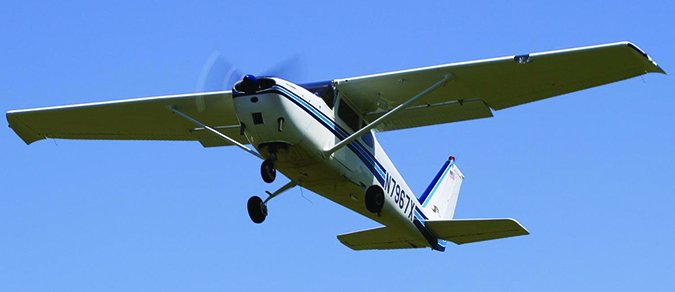
When transitioning between Earth and sky and back again, we fly at the lower end of the controlled-flight regime-as Goldilocks might say, Not too fast, not too slow, but just right. Pilots departing generally spend less time in the bottom range of their aircrafts airspeed envelope than during arrivals and approaches. Departing, we accelerate into the takeoff roll, lift off and, still accelerating, climb. Arrivals are the opposite. We descend and slow to approach speed, enter the pattern, and decelerate even more when sliding down the final.

Read More »

Density Altitudes Trifecta

When considering landing on a runway with marginal length or a difficult or obstructed departure path, the first stage of aeronautical decision-making is deciding whether to land in the first place. The next one is if you land, can you make it out safely? Quite often there are good reasons to do neither, with perhaps the biggest single factor being density altitude, usually when trying to take off at the planned time. In case youre thinking density altitude (DA) is strictly something that concerns mountain-flying enthusiasts like me, you should know it is not a concept unique to the high country. High-altitude pilots just have a head start when it comes to familiarity with DA. Anyone whos flown in the summertime, including from sea-level airports, has experienced some form of DA.

Read More »

Medical Deregulation is a Reality

In case you missed it, on July 15, 2016, President Obama signed into law legislation extending FAA programs through September 2017. In a well-earned victory for AOPA, EAA, other organizations and thousands of U.S. pilots, part of that legislation included a long-awaited provision exempting certain Part 91 operations from the requirement to hold a third-class medical. The exemption idea has a long history, but most recently was championed by U.S. Sen. James M. Inhofe (R-Okla.). But theres some fine print.

Read More »

Spin Recovery Failure

Spin training-instruction in how to enter and recover from spins-used to be part of the private pilot curriculum. It was discontinued a few decades ago, in part because it was blamed for a drop-off in the number of students who completed their training and earned their private certificate. These days, the only required spin training is for the initial flight instructor certificate and one of the most popular line of airplanes-the Cirrus SR20 and SR22-come with an airframe parachute in lieu of demonstrated spin recovery capability.

Read More »

Phone Flight Service or ForeFlight?

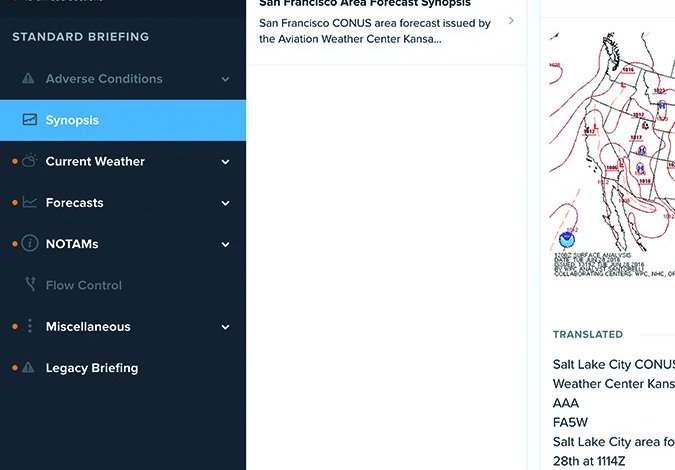
There are major reasons we need to obtain a pre-flight briefing for all our flights. Airports and airspace are dynamic, and temporary flight restrictions literally can pop up anywhere. Construction, changing operations, available services, closures and, yes, obstructions all compete to materially change conditions from flight to flight, even on the same day. And then theres the weather. The good news is the recent revolution in electronic flight bags (EFBs) means all of the data we need is either in the palm of our hand or within easy reach, even in the cockpit.

Read More »

Rated Pilots Get Easy Drone Certification

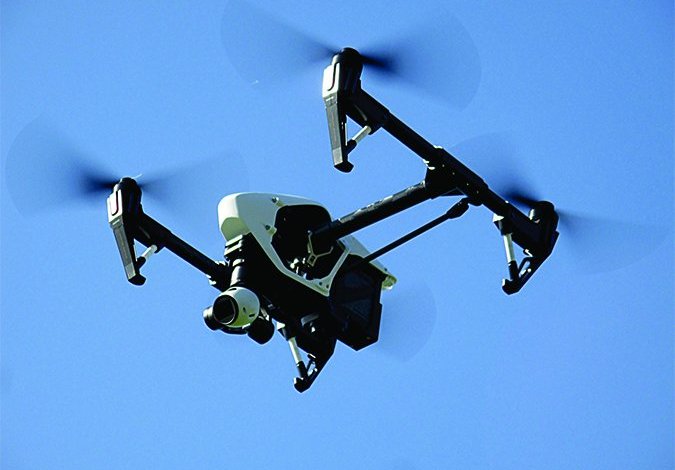
A new rule from the FAA on commercial drone operation was published in late June and offers some opportunities for rated pilots who might want to branch out a bit. The good news is the new rules allow even a private pilot to earn some coin by operating a drone without the pesky nuisance of getting a commercial certificate. The great news is it shouldnt cost anything-just some time to go through a training presentation on an FAA web site and then do some online paperwork at another FAA web site.

Read More »

Anticipating Engine Failure

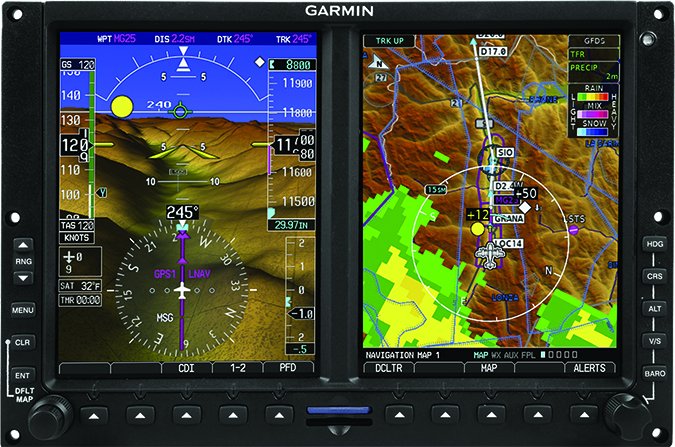
Failure of a single-engine aircrafts lone powerplant is something students train for beginning with their first instructional flight. If they continue to certification, theyve studied the basics of how engines work, the air, fuel and ignition source they need to keep working, and at least some understanding of the signs theyre about to stop. Most trainers lack the kind of sophisticated engine instrumentation that technology has brought us over the last couple of decades, so many students still fly behind gauges the basic design of which can be traced back to pre-WWII automobiles.

Read More »
Pilot in aircraft
Sign-up for newsletters & special offers!

Get the latest stories & special offers delivered directly to your inbox.

SUBSCRIBE