













Register

Anticipating Engine Failure

Failure of a single-engine aircrafts lone powerplant is something students train for beginning with their first instructional flight. If they continue to certification, theyve studied the basics of how engines work, the air, fuel and ignition source they need to keep working, and at least some understanding of the signs theyre about to stop. Most trainers lack the kind of sophisticated engine instrumentation that technology has brought us over the last couple of decades, so many students still fly behind gauges the basic design of which can be traced back to pre-WWII automobiles.

Gemini Sparkle

Key Takeaways:

  • Modern aircraft feature sophisticated engine monitors, but pilots often lack the training or knowledge to correctly interpret their data or may disregard critical indications of impending failure.
  • Many engine failures are not sudden but are preceded by subtle or overt warning signs, which pilots must learn to recognize and act upon promptly.
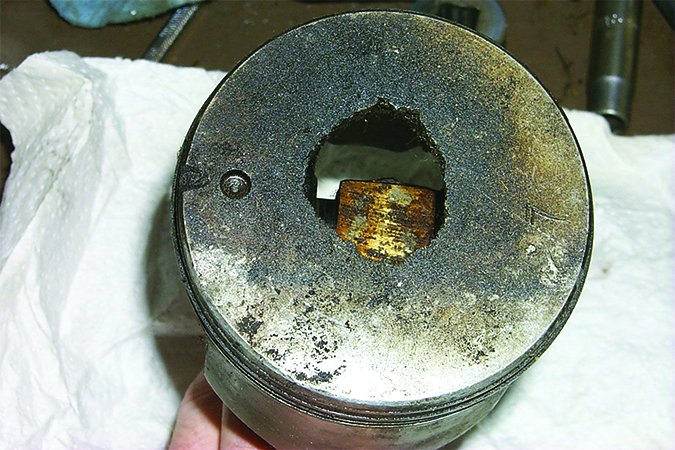
  • A fatal Beech Bonanza crash was caused by a total loss of engine power due to detonation/preignition damage of the #6 cylinder, leading to extensive internal engine destruction.
  • The NTSB determined the pilot likely continued the flight despite observable indications of an impending engine failure, such as dropping oil pressure or rising temperatures, possibly evident during an extended pre-takeoff run-up.
See a mistake? Contact us.

Failure of a single-engine aircraft’s lone powerplant is something students train for beginning with their first instructional flight. If they continue to certification, they’ve studied the basics of how engines work, the air, fuel and ignition source they need to keep working, and at least some understanding of the signs they’re about to stop. Most trainers lack the kind of sophisticated engine instrumentation that technology has brought us over the last couple of decades, so many students still fly behind gauges the basic design of which can be traced back to pre-WWII automobiles.

As they progress to more sophisticated aircraft, so, too, does the engine instrumentation become more capable. Today, the modern engine monitors available for aircraft can display many more parameters than the old gauges, and even present more details than a top-of-the-line luxury car. If there’s any problem remaining, it’s that pilots all too rarely don’t know how to use an engine monitor, or disregard its indications.


Ready to Sell Your Aircraft?

List your airplane on AircraftForSale.com and reach qualified buyers.

List Your Aircraft
AircraftForSale Logo | FLYING Logo
Pilot in aircraft
Sign-up for newsletters & special offers!

Get the latest stories & special offers delivered directly to your inbox.

SUBSCRIBE