Register

Accident Probes

5 Ways to Crash an Airplane

Lately, the general aviation community has focused, quite correctly, on the very preventable loss-of-control in-flight type of accident (LOC-I). Too many people somehow manage to bend an airplane-or worse-each year basically because they forget to fly it. Its a broad category, and includes a mix of accident causes, from low-level maneuvering, to VFR-into-IMC and to multi-engine training operations. As complex and dynamic as the LOC-I category is, it most assuredly doesnt include the full range of things pilots do to make the accident reports. For example, a look at the other category of pilot-related accidents, as broken down by the AOPA Air Safety Institute (AOPA ASI) in its 25th Nall Report, highlights some other areas where pilots regularly make contributions to the aviation-accident records. Here are five of them, not related to LOC-I.


Read More »

Automation Casualty?

One of the downsides of automation is that the pilot often is removed from the control feedback loop. In other words, he or she isnt sensing what the airplanes control feedback is saying. When manually making a certain control input, the pilot receives instant feedback-through the control system and the instruments-on whether the airplane is responding as expected. All that is lost when Otto is flying, even though the instruments may tell us everything is nominal.

Read More »

NTSB Reports: January 2017

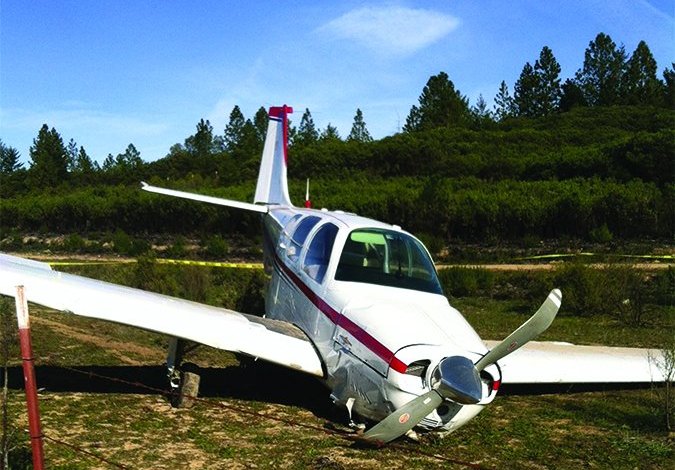
At about 0925 Central time, the airplane was destroyed after impacting trees and terrain during final approach. The pilot and the child passenger were seriously injured. Visual conditions prevailed. Initial reports showed the airplane experienced a complete loss of engine power when about one-half mile from the runway. During the accident sequence, both wings were separated at the wing root and the fuselage came to rest upright about 20 feet beyond initial impact with trees. The airplane was immediately involved in a fire. The pilot removed the child passenger, exited the airplane and walked to a nearby rural residence.

Read More »

Drive Shafts

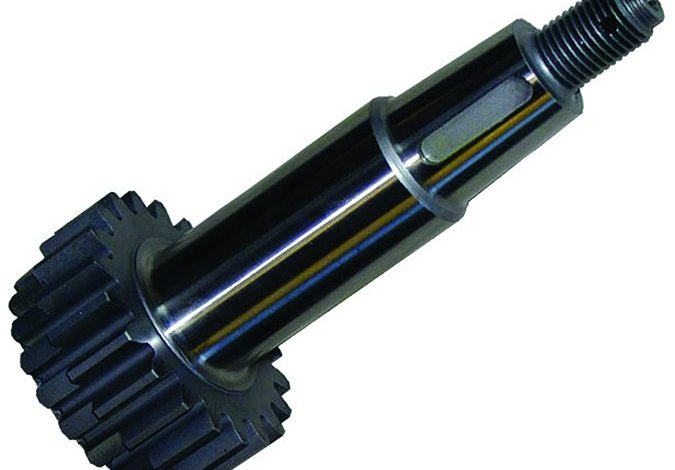
On attempting to start the engine for a post-maintenance ground run, the propeller turned through approximately three blades then stopped. Propeller was difficult to rotate forward or backward. Inspection of the starters Bendix drive shaft revealed cracks in the gear running parallel to the teeth, causing the gear not to properly mesh with the flywheel.

Read More »

Altitude? Or Speed?

Last year, I flew maybe 40 hours in piston twins, building time and getting through a checkride. With a bunch of experience in the IFR system flying high-performance singles, keeping up with the twins I was flying-and planning ahead and managing their systems, even in the busiest airspace-was relatively easy. Performing the engine-failure drills, the VMC and drag demonstrations, and practicing various other systems failures also were relatively easy, thanks to my experience in complex airplanes.

Read More »

Download the Full January 2017 Issue PDF

Until recently, the constituency comprising LBA operations was paid little attention by the major aviation organizations. Most general aviation pilots affiliated themselves with either the Aircraft Owners and Pilots Association (AOPA) or the Experimental Aircraft Association (EAA). Most of those organizations members, especially in EAA, often do not fly for personal or business transportation purposes. The heavy-iron two-pilot corporate jets already were well represented by the NBAA.

Read More »

No Noticeable Damage

I read your magazine every month and have never written a letter on an article in my life, but will now. In the December 2016 issue, the first NTSB report involved a Vans RV-6 Experimental. The report states the commercial pilot and passenger were fatally injured; the airplane was destroyed…there was no noticeable damage to the fields corn stalks. Really? Someone should care about the corn stalks? Everything else was destroyed, including lives, but the corn stalks made it!

Read More »

Light Business Aircraft

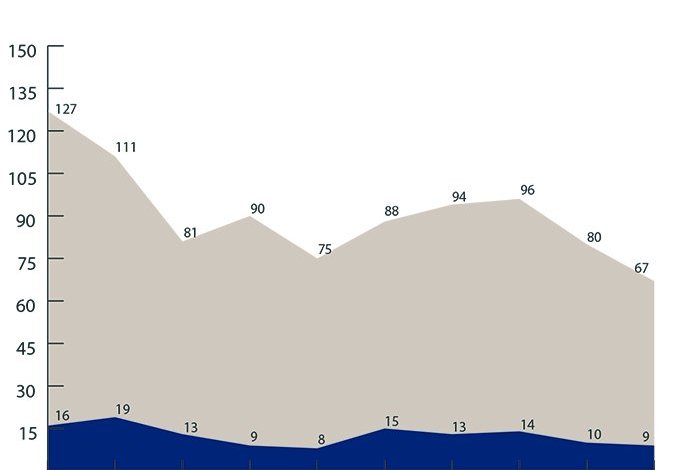
since both the FAA and the NTSB define this category precisely in terms of the crew consisting of a single non-professional pilot who operates the aircraft as an incidental duty to the pilot’s business. Source: FAAüThis chart is from a presentation by NTSB Member Earl F. Weener delivered at the NBAA’s Single Pilot Safety Standdown in November 2015. It highlights how the business aviation segment fatal accident rate

Read More »

Climbing On Top

The day of my departure, I had one good sign. The area forecast predicted tops at between 12,000-14,000 feet. Thats a familiar forecast for the time of year, and I find it enjoyable to fly over a cotton-like cloud deck. It was also well within my airplanes capability, and I had a four-place oxygen bottle that had been recently topped off. Looking at the satellite data, Metars and TAFs at my destination, it appeared to be clear on the far end of my route.

Read More »
Pilot in aircraft
Sign-up for newsletters & special offers!

Get the latest stories & special offers delivered directly to your inbox.

SUBSCRIBE