Accident Probes

Circular Approaches?

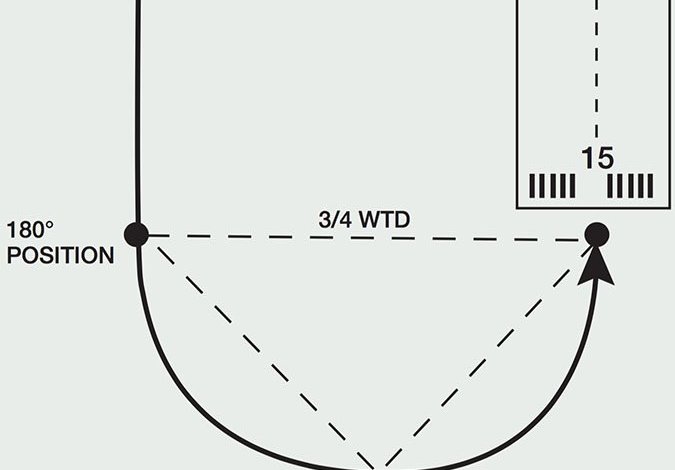
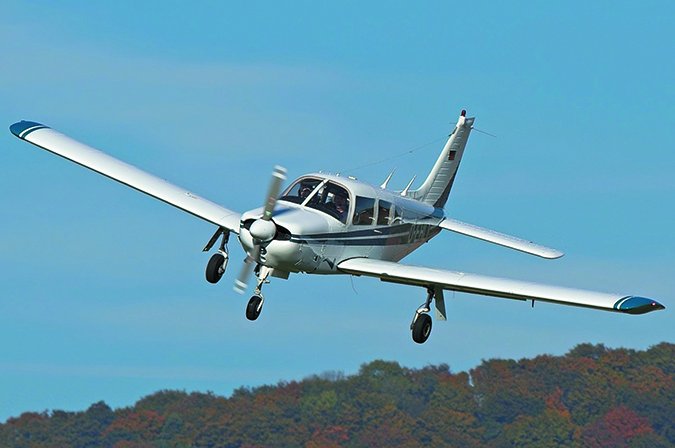
I own and fly a Cessna 172, and a curved pattern (Circular Patterns, March 2017) would not be an advantage as I would not see the runway until I came out at the end of the turn. I realize the military used this approach but as you know they have very few high-wing aircraft. Also, you would not be able to see if another aircraft cut you off until the last moment. Why change something that has been working just fine?

Read More »

Get The Lead Out

There is a fundamental reason we perform preflight run-ups and engine checks before takeoff: It is a whole lot better to find problems at 1G, 0 feet agl and 0 knots airspeed than it is while airborne. Making sure a powerplant will work as we intend before taking off is just good airmanship. A good run-up doesnt mean everything is perfect, however, and we train for airborne engine problems, including full use of its controls and instruments.

Read More »

IPC Scenarios

A lot of attention has been directed at the FAAs new airman certification standards (ACS), which prescribe how practical tests are conducted. Last year, the FAA implemented ACS for the private pilot-airplane certificate and instrument-airplane rating. A chief difference between the ACS and its predecessor practical test standards (PTS) is expanded integration of risk management principles. Another involves how slow flight is performed.

Read More »

New Advisory Circulars

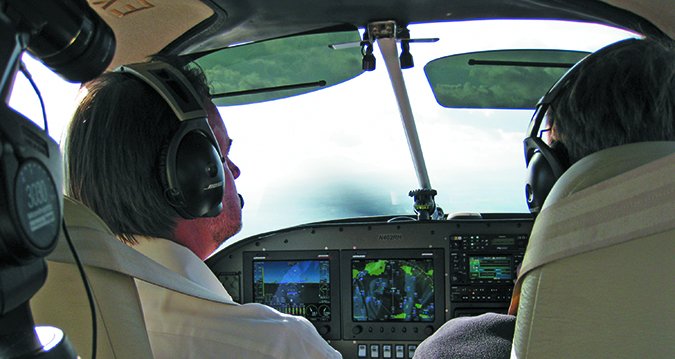
Three Advisory Circulars newly issued by the FAA in December 2016 and January 2017 may provide much-needed guidance to operators seeking answers to a wide range of certification and operational questions. Two of the ACs revise existing guidance on Use of Flight Deck Displays of Digital Weather and Aeronautical Information (AC 00-63A) and Airworthiness Approval of Enhanced Vision System, Synthetic Vision System, Combined Vision System, and Enhanced Flight Vision System Equipment (AC 20-167A).

Read More »

Cant You Read The Signs?

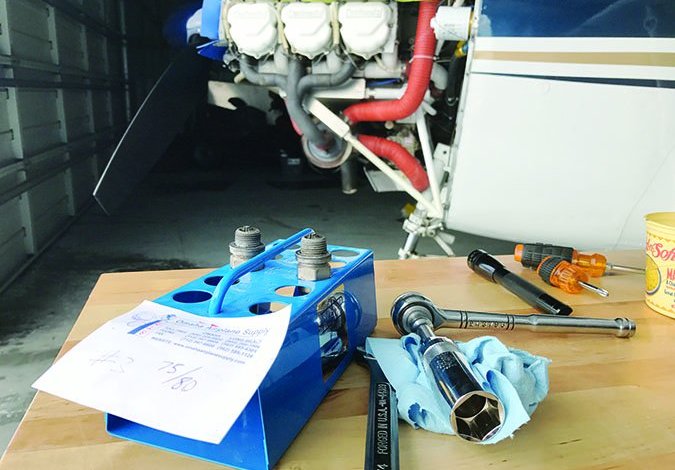
Airplanes are mechanical contrivances. So it shouldnt come as a surprise to learn they sometimes break. The object, of course, is for them to break on the ground, preferably right in front of a maintenance shop at which you have a credit on your account. It rarely works out that way, of course. Instead, airplanes can and do break while were flying them. But even when they let us down, they usually have been signaling in some fashion whats about to happen.

Read More »

NTSB Reports: March 2017

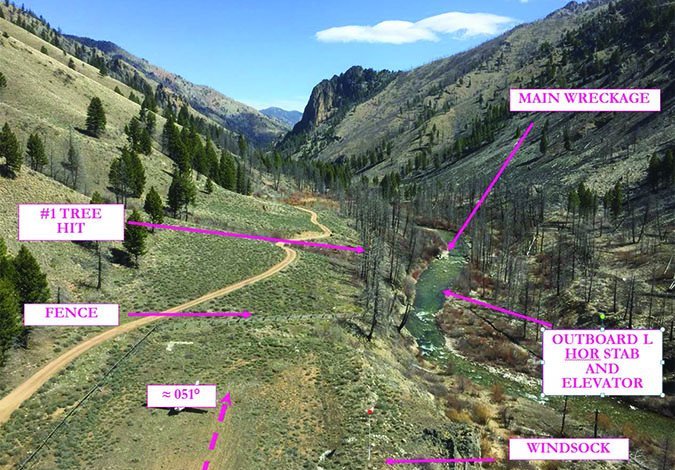
After taking air samples at various altitudes, the airplane was returning to its base and overshot a turn to the Runway 36 localizer. Shortly thereafter, the pilot reported an on-board fire. The airplane, which was at 1700 feet, lost altitude rapidly and radar contact was lost. The accident site was consistent with the airplane striking the ground at a high velocity, low angle of impact in a left wing slightly low attitude. There was a ground fire after impact.

Read More »

Listen Up

Last year, in the final stages of my student helicopter pilot training, I needed to complete the solo requirement of three takeoffs and landings at an airport with an operating control tower. The short cross-country to the towered airport went well. I negotiated with the tower controller to use the airports south helipad, which is near the tower and the approach end of one of the facilitys principal runways. First circuit from and back to the pad was uneventful, two trips to go.

Read More »

Re: When ATC Screws Up

I guess Im a dodo, but I use roger all the time. And I hear it all the time from ATC. The term is in the Pilot/Controller Glossary (November 2016 edition): ROGER-I have received all of your last transmission. It should not be used to answer a question requiring a yes or a no answer. Buffalo Airways still flies a DC-4 so maybe the articles statement is predicting roger will go out sometime in the future?

Read More »

Some Extra Runway

From the beginning of our flight training, we spend many hours learning about and practicing landings. We often pay little attention to the beginning of a flight, though. Sure, we might pull out the handbook and compute what it tells us about takeoff performance-ground roll, distance required to clear obstacles-but we simple dont put into takeoffs the kind of study and attention given to landings. Ive always found that rather odd.

Read More »
Pilot in aircraft
Sign-up for newsletters & special offers!

Get the latest stories & special offers delivered directly to your inbox.

SUBSCRIBE