Accident Probes

Passing The Ride

Expecting that I had somehow unknowingly blown my check ride, we landed, shut everything down and he informed me I had…well…passed! A bit confused but obviously glad I hadnt actually blown it, I accepted the good news not wishing to open my mouth and undo it, and simply thanked him. I never told my instrument instructor what the examiner had said, only that he passed me.

Read More »

Clouds In Your CAVU

For a supposedly CAVU day, I was now pointed at a solid cloud bank. I transitioned to instruments while still VFR and entered the clouds continuing toward VOR #3. It was still smooth as I crossed it and adjusted course toward VOR #4. Shortly after crossing VOR #3, there suddenly were a lot of pilots on the frequency asking for course and/or altitude changes to get out of this weather. I was still enjoying a smooth ride.

Read More »

Hosed

Engine began running rough in cruise, the pilot diverted and the aircraft was landed without damage. Investigation found the fuel line between the fuel flow transducer and fuel flow divider was loose at the flow divider. Although it seems unlikely, the aircraft operator has to consider the possibility that this fuel line came loose by itself in the five days and 23 hours of flying since the last scheduled inspection….

Read More »

Download the Full March 2019 Issue PDF

After recounting some of his adventures as a military pilot, he went on to say, Anyway, during all of this time I always wondered what happened to her. Losing track of her was like losing track of an old friend. I hope she is well. Perhaps by now she has forgiven if not forgotten the times I ran her a little too rich or too lean, smacked that branch with her wingtip, or disparaged her tail number by having it reported to the authorities.

Read More »

Ag Pilots

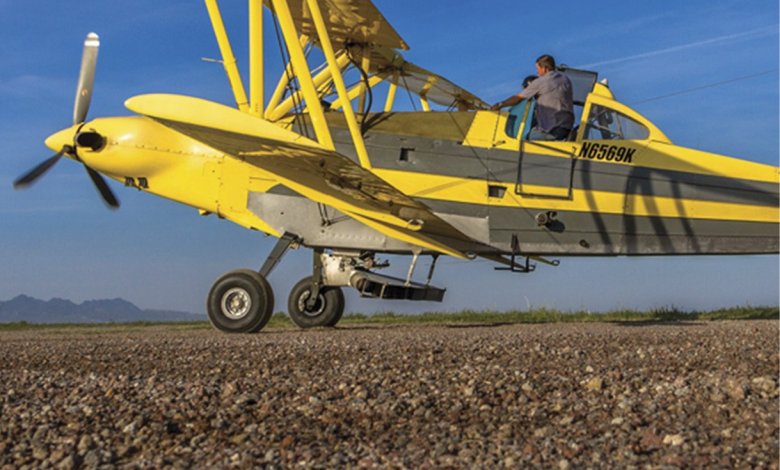
The old stereotype of crop dusters-excuse me, aerial applicators-is that they are scofflaw daredevils, perhaps with behavior issues. That caricature is a relic of the past, when an enterprising farmer would buy a $300 war-surplus Stearman, put a hopper in the front cockpit and fly the plane hard until it broke. It follows that some might think ag pilots are an unlikely source of safety wisdom, and have fallen far behind aviations cutting-edge technology, but the truth is quite different.

Read More »

After The Prop Stops

One of the oldest jokes in aviation holds that the big fan is there to cool the cockpit: Whenever it stops unexpectedly, the pilot starts to sweat. Every aviator whos had that experience can probably confirm a significant uptick in pulse and respiration. In the best case, thats accompanied by a corresponding intensification of focus, rapid execution of the memory steps of the emergency procedures checklist and efficient assessment of available alternatives. In the worst…well, those pilots arent available for interviews, but tapes of their radio transmissions can make for uncomfortable listening.

Read More »

Shut Down

The recent partial shutdown of the U.S. federal government had a far-reaching impact on aviation, thanks to its parent Department of Transportation (DOT) being one of the agencies lacking an enacted appropriations bill for the current fiscal year. Since related agencies are tacked onto DOT spending bills, the NTSB also closed for the duration, delaying ongoing investigations and postponing new ones. (Our monthly listing of preliminary accident reports might look a bit strange until the NTSB has caught up with the backlog.)

Read More »

Risks Of Engine Failure

I had an interesting experience following recent painting of my Cessna 182. I flew it back from the paint shop uneventfully enough, but after tying it down following that two-hour flight home, we had a windstorm with 50-knot gusts, and the wind put enough force on the right wingtip to cause the screws holding it in place to drop out. So, the wingtip peeled off, and smashed into the cowling, creating a dent/crease just forward of the windshield.

Read More »

Why We Lose Control

The aviation industry in recent years has highlighted loss of control in-flight (LOC-I) as the leading cause of general aviation fatal accidents. Many aviation organizations, including government agencies, have devoted considerable time and resources to target this problem and develop effective mitigations to reduce the number of LOC-I accidents. Much of that effort focuses on a pilot losing control, and how to train and equip to prevent it, because its the final event in the accident chain.

Read More »
Pilot in aircraft
Sign-up for newsletters & special offers!

Get the latest stories & special offers delivered directly to your inbox.

SUBSCRIBE