









dboyd
Monday, August 5, 2024
Single-Engine Risks
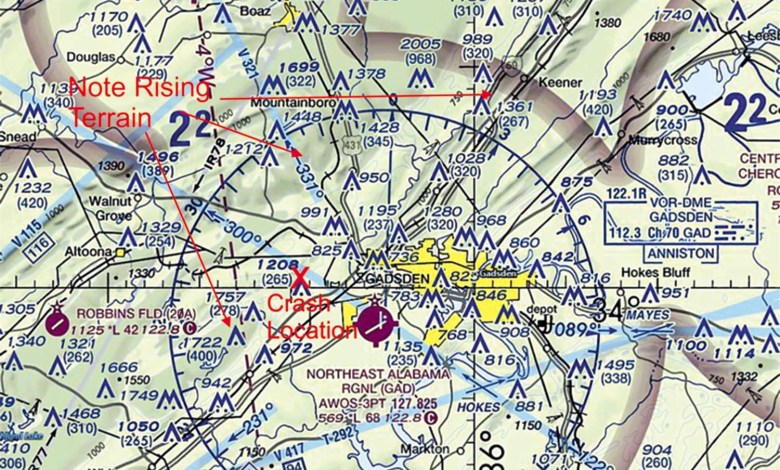
While few of us feel that flying a single is particularly risky, add night and then add mountains and the risk is clearly higher. Add IMC and, well …


While few of us feel that flying a single is particularly risky, add night and then add mountains and the risk is clearly higher. Add IMC and, well …
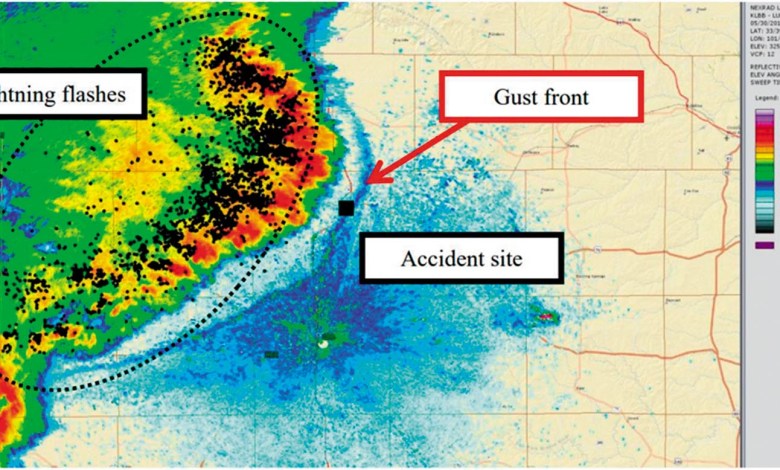
The IMSAFE and PAVE models are well-known aids to proper aeronautical decision making. Yet, we continue to make bad decisions. This study might help.
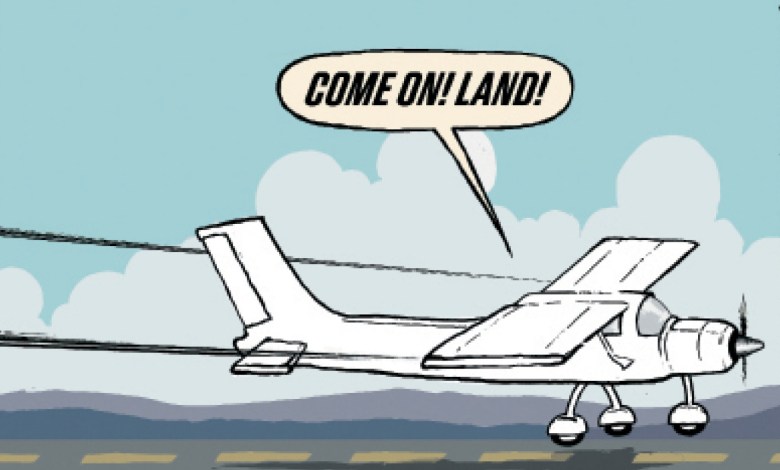
Our training for the instrument ticket focused on flying by reference to instruments, how to shoot approaches, holds etc. By that point pilots were presumed to have mastered the art of landing, so who needed any more instruction on that? (Or, so the argument goes.) Your approach speed is an essential precursor to a good […]
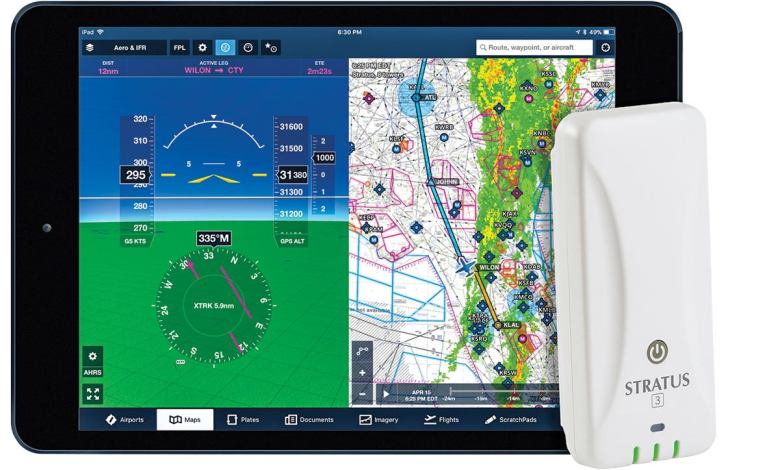
Expect vigorous debate on how best to orient your moving map. Here, I’ll address that debate about the best orientation. But rather than reiterating all the opinions, I’ll focus on what the published scientific research completed in the 1980s and 1990s had to say on that specific question. Life Before Moving Maps Remember the old […]
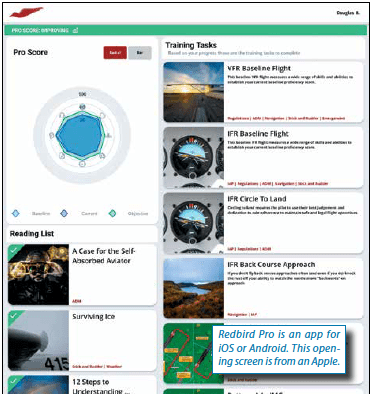
When your instrument ticket was brand new your skills were ultra-sharp. But over time, winter doldrums, aircraft maintenance, etc. that proficiency atrophied. Indeed, research backs up the “use it or lose it” proficiency adage—see the sidebar. Flying in IMC is unforgiving, with the chance of an occupant perishing in an accident nine times higher than […]
Instrument pilots know that IMC is challenging and far less forgiving than flying visually. Proficient flying by instruments is a must for us lest we enter the NTSB annals. When the ink on our instrument tickets was still wet, our skills were ultra-sharp. But as time passed, without continued practice those instrument skills slowly atrophied. […]
A dmittedly, Im an unabashed geek, getting my jollies running statistical tests querying the actual NTSB relational database and publishing my aviation safety research in journals using scientific mumbo-jumbo-the majority (if not all) of which would put any insomniac to sleep in a heartbeat. That said Im also an active general aviation pilot. Here, Ill don both hats as I cover a hot-off-the-press scientific paper published in the Atmosphere journal, translating from highfalutin language into laymans English for the benefit of the general aviation pilot population.
Pilots were (and still are) over using automation, resulting in too much head-down button-pushing. The result was (is) an increase in situational awareness errors and loss-of-separation in particular. One flight crew got so absorbed entering a simple runway sidestep that they landed without a clearance. As the presenter advised, sometimes its better to reduce the level of automation for a given task. He summed it up nicely-were pilots, not automation managers; fly the plane first and keep up those manual skills.

Much of general aviation activity in piston-powered airplanes is for recreation-the proverbial $100 hamburger ($1000?) on nice sunny weekends. Still, there are many general aviation pilots who fly-using the technical phrase-for the furtherance of business. Were not talking banner tows, flight instruction, skydiving, or true commercial endeavors. Furtherance of business denotes those operations that are only incidental to that business or employment. (14 CFR 61.113)