












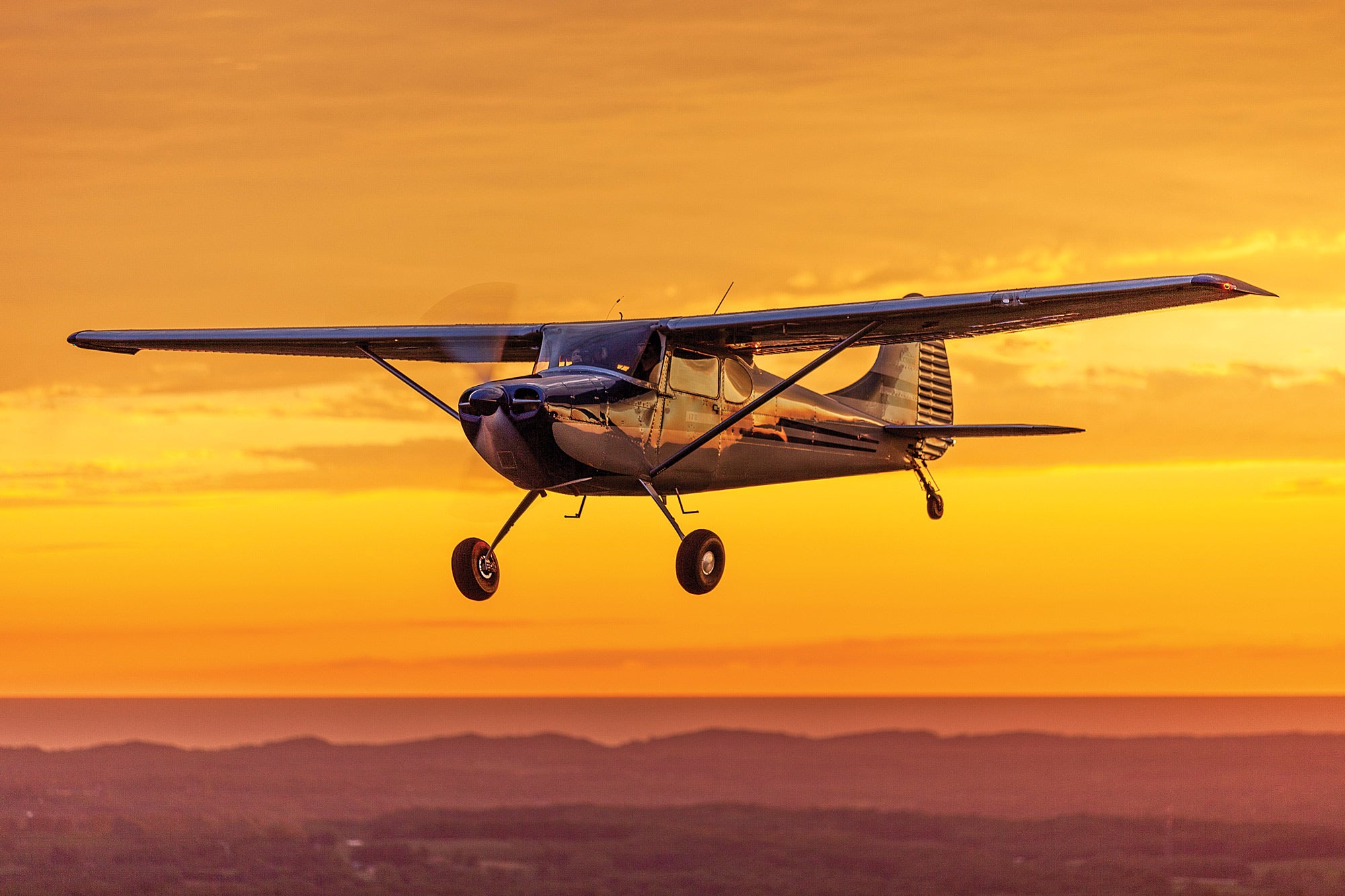
Most pilots are introduced to tailwheel flying in small, two-place types such as the Piper Cub, Aeronca Champ and Cessna 140—airplanes that are perfectly suited to initial training and short pleasure flights. But as they build experience, more than a few pilots begin to recognize the limitations of these bantamweights and begin searching for an airplane that offers the satisfaction and fun of a taildragger with the flexibility and utility to unlock a wider variety of flying adventures. Lately, more and more are arriving at the conclusion that the Cessna 170 provides an optimal blend of qualities. Here, we explore what the 170 is like to own and what those owners enjoy most about it.
The Cessna 170 Is a Ticket to Adventure
Key Takeaways:

- The Cessna 170 is a highly sought-after four-place taildragger, valued for its blend of tailwheel flying enjoyment and practical utility, making it suitable for a wide range of flying adventures beyond basic trainers.
- Developed from the Cessna 140, it evolved through three main variants (170, 170A, 170B) between 1948 and 1956, incorporating design improvements such as an all-metal wing, enhanced flaps, and a balanced tail, all powered by a 145 hp Continental O-300 engine.
- Known for excellent visibility and docile handling, the 170's flight characteristics require careful landings due to its undamped spring-steel gear, and while solo performance is sprightly, climb rates can be modest at maximum takeoff weight.
- Ownership is supported by easily sourced parts, familiar mechanics, and a strong type club, with significant potential for customization, including engine upgrades and modifications for backcountry use or aesthetic preferences, contributing to its increasing market value.
See a mistake? Contact us.


