









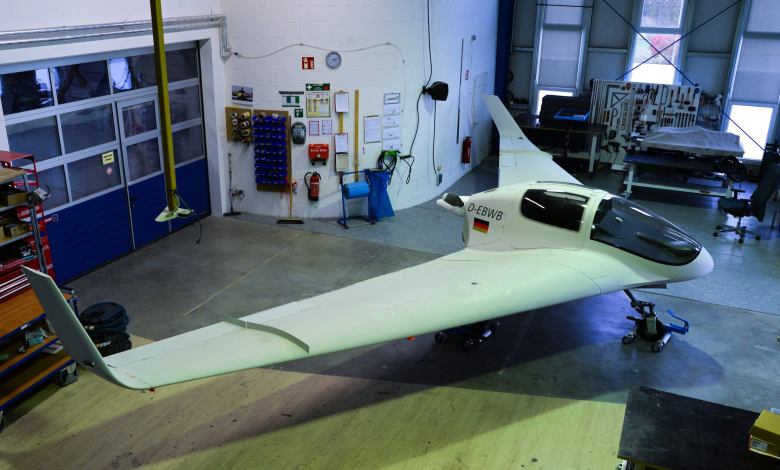
The Untapped Potential of the Horten HX-2
The flying wing was most recently marketed as an ideal platform for unmanned operations with a potential range of 2,175 miles or an endurance of 20 hours.


The flying wing was most recently marketed as an ideal platform for unmanned operations with a potential range of 2,175 miles or an endurance of 20 hours.
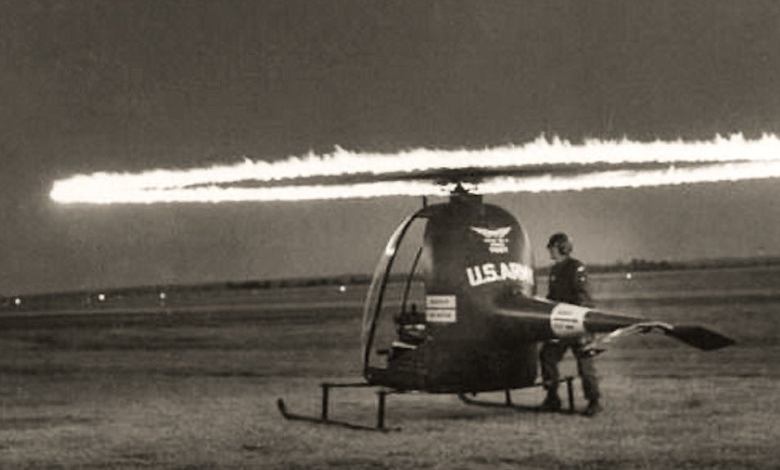
With fire-breathing ramjets mounted to the tips of the main rotor, Hiller’s tiny Hornet boasted an endurance of approximately 30 minutes.
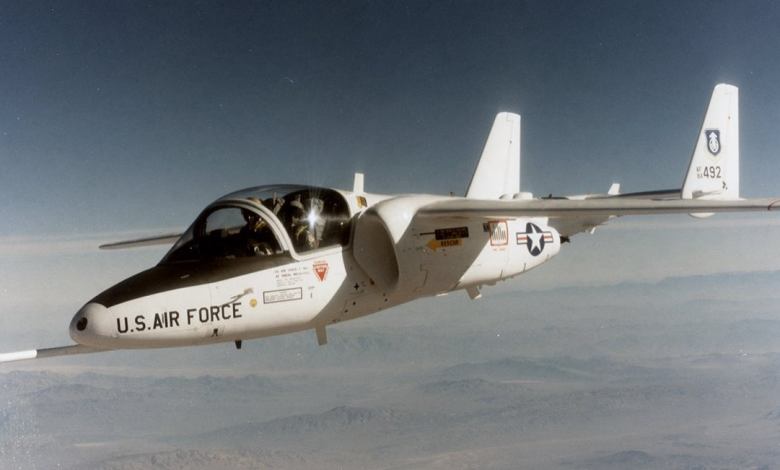
The modernized trainer developed for the U.S. Air Force in the 1980s was meant to replace the aging fleet of Cessna T-37 ’Tweets.’
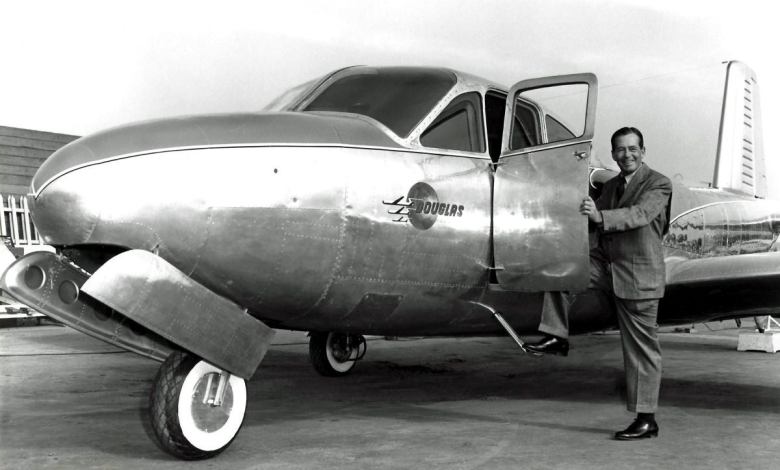
This unconventional 1940s twin-powerplant, pusher-propeller GA aircraft design featured a large forward fuselage, room for five, and white wall tires.
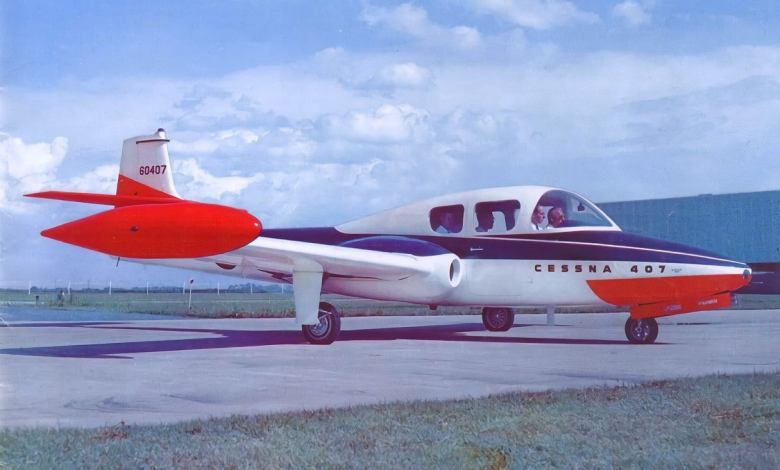
The aircraft was based on a T-37 ‘Tweet’ primary jet trainer modified for civilian use.
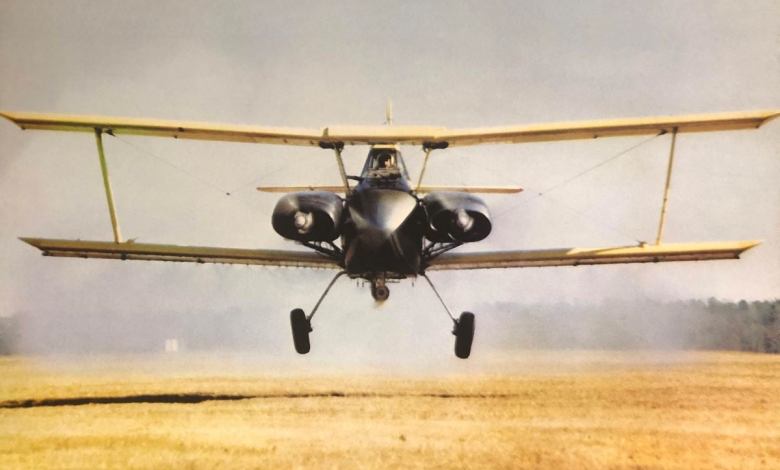
The aircraft was a modification of a 1950s-era Grumman Super Ag Cat biplane that replaced its single radial engine with two 310 hp Lycoming TIO-540 flat-6 engines.
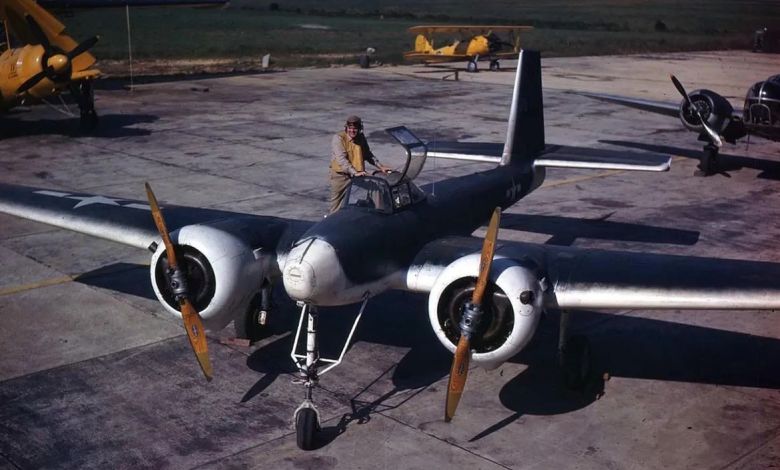
For a year during World War II, the twin-engine, piston-powered airplane flew both with a pilot aboard—and without.
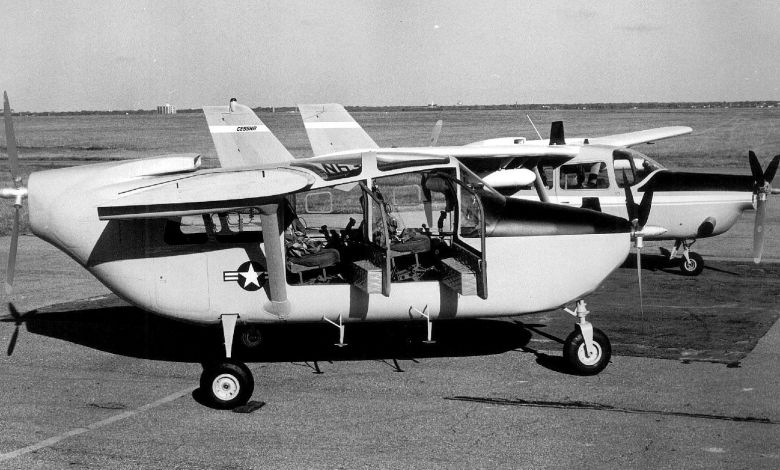
The Cessna O-2TT concept was proposed as an intriguing blend of design elements that never reached the production stage.
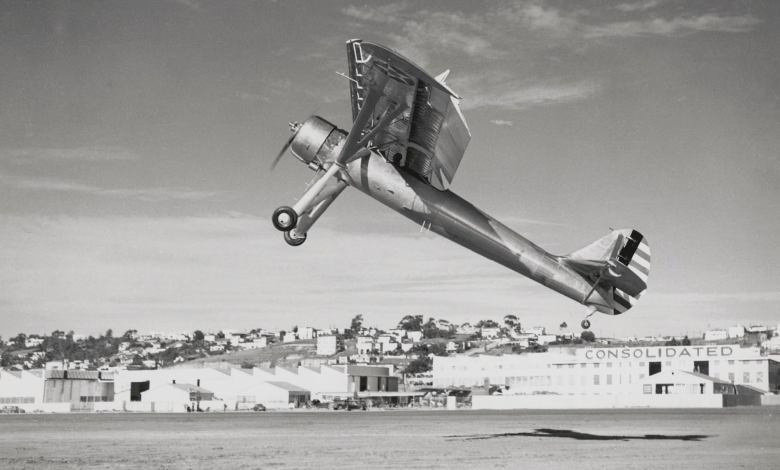
The design was developed as a liaison and observation platform for the U.S. Army Air Corps.
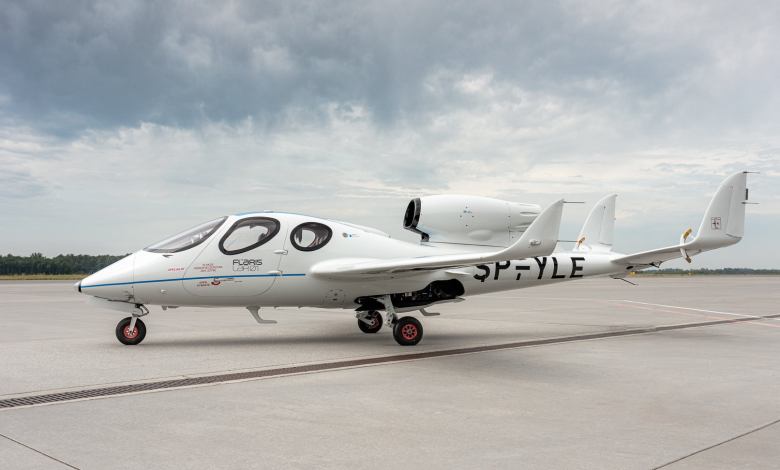
While only one has been built, the single-engine jet appears to be in flight testing.

Get the latest stories & special offers delivered directly to your inbox.
SUBSCRIBE