











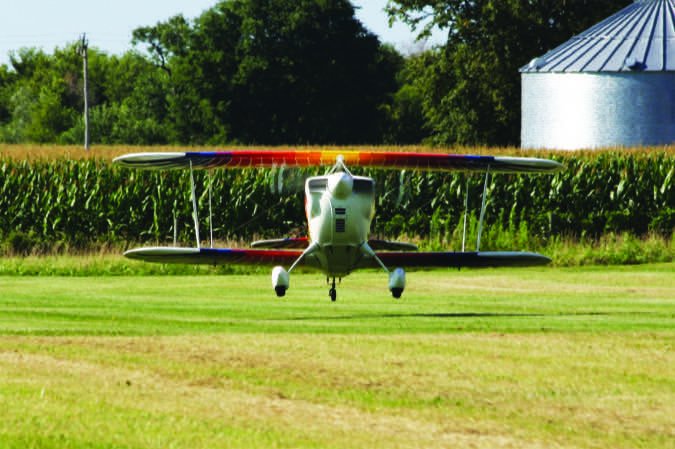


One of the rungs on the ladder student pilots must climb is the touch-and-go. It naturally follows learning about stalls, flying a traffic pattern, and takeoffs and landings individually, and has become a time-honored way for pilots of all skill levels to practice using a runway. Interestingly, the FAA’s flight training literature offers little guidance on touch-and-goes beyond a definition in the Pilot/Controller Glossary (PCG) and that section of the Aeronautical Information Manual (AIM). Both define a touch-and-go as an “operation by an aircraft that lands and departs on a runway without stopping or exiting the runway.”
Sounds simple, doesn’t it? This definition and the scarcity of formal guidance from the FAA on performing touch-and-goes also implies that the maneuver isn’t something to worry about. After all, it’s just the hard parts of a landing, followed immediately by what is supposed to be easy: a takeoff. What could go wrong?

