













Alternates often get brushed off as an administrative task. If the weather’s good enough, you don’t legally need one under the ol’ 2000-3 rule of §91.169(b). Or, should one be required when filing that flight plan, it’s usually a nearby default with an ILS, so long as it meets the 600-2 rule, §91.169(c). This usually works out fine since you rarely divert. But if you do, it might help to look deeper, lest you miss out on a better way to escape the weather and get on the ground.

Plans A and B
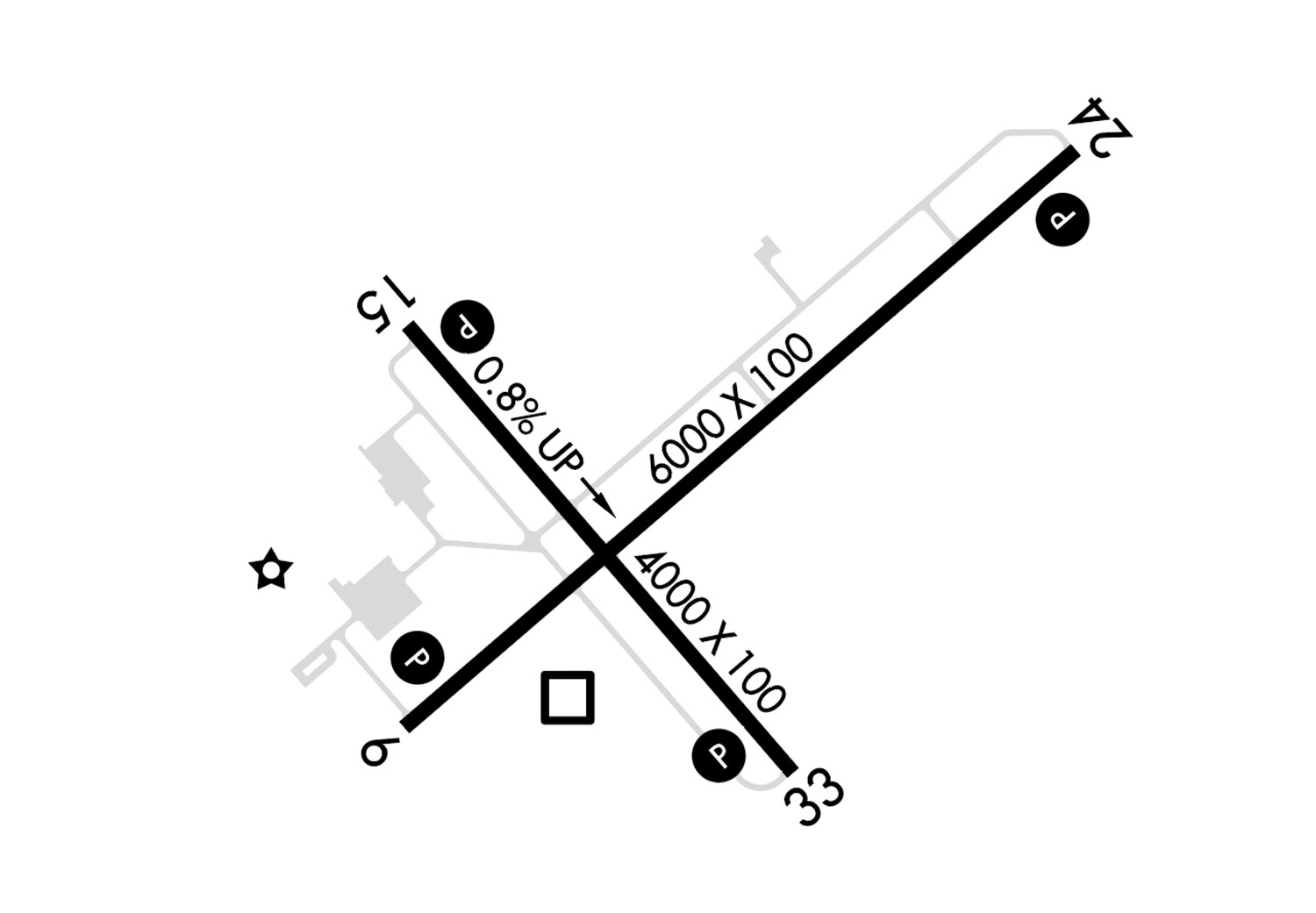
Off you go eastbound to Jamestown, New York, in kind of a hurry—weather will get down to the bottom line, and you need a decent alternate that has a car so you can still make your business lunch. The good news is that standard ILS and LPV approaches await at KJHW, elevation 1723. The bad news is that those are reserved for Runway 25. Today’s TAF has winds favoring Runway 7 or 13, and those aren’t as well equipped; they have RNAV procedures with LNAV MDAs of 2120 and 2140 feet respectively. So stick with 7; its MDA is a tad lower and the runway’s longer. Ceilings and visibility will drop to 400-1 after 11 a.m. local. So you decide to shorten your first meeting at the office, knowing there’ll be no complaints. This allowed you to depart an hour ahead of time for the three-hour flight.

