













Register

It All Adds Up

Gemini Sparkle

Key Takeaways:

  • IFR fuel planning, especially under FAR §91.167, is intricate, requiring meticulous calculations for the destination, alternate, and a 45-minute reserve, all while accounting for variables like headwinds and route adjustments.
  • The FAA strictly interprets §91.167 to mean enough fuel to successfully *land* at the destination, then fly to the alternate, and *still* have a 45-minute reserve upon landing at the alternate, a more stringent requirement than some pilots might assume.
  • Multiple minor factors, such as passenger baggage, actual headwinds, or MOA activity, can cumulatively erode planned fuel reserves, often necessitating significant changes or intermediate stops.
  • Pilots must be adaptable and willing to make necessary adjustments, like reducing payload or planning additional stops, when faced with accumulating challenges to ensure safety and regulatory compliance.
See a mistake? Contact us.

Three hours in a single, even a roomy one like the sturdy Piper Dakota, seems to be about the maximum sitting time for most PICs and especially their passengers. It also happens to be a good time to refuel, as the typical four-to-five-hour endurance allows for landing with ample reserves when it’s time for a break.

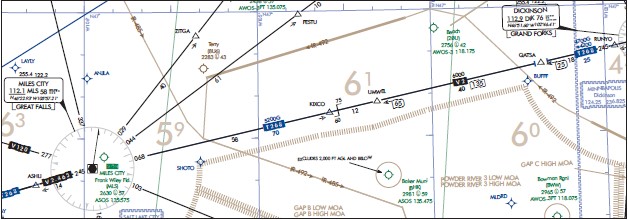
This makes Miles City, Montana (KMLS) a perfect weekend fishing getaway by air—you and two family members can be there in just under 2.5 hours from Bismarck, North Dakota (KBIS). Plenty of time, plenty of fuel. Now, that’s with no wind, no weather, and no changes. No such cross-country flight ever really happens, but we can always wish…


Ready to Sell Your Aircraft?

List your airplane on AircraftForSale.com and reach qualified buyers.

List Your Aircraft
AircraftForSale Logo | FLYING Logo
Pilot in aircraft
Sign-up for newsletters & special offers!

Get the latest stories & special offers delivered directly to your inbox.

SUBSCRIBE