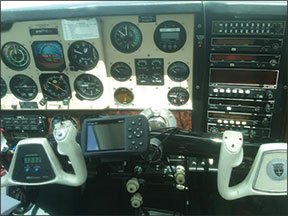
Regular readers of this journal are familiar with the series of articles I’ve written and advice I’ve given on the art and science of risk management. By now, you’re probably curious as to whether I actually use and implement the information and practices I recommend in my own aviating, or whether I’m merely speculating from some safe, lofty journalistic perch.
The author actively applies strategic and tactical risk management principles in his own general aviation flying, validating the advice he provides to readers.
Strategic risk management involves proactive, long-term planning using the PAVE acronym (Pilot, Aircraft, Environment, External Pressures) to address factors like pilot proficiency, aircraft maintenance, and broad environmental forecasts.
Key mitigation strategies include building significant schedule and route flexibility, understanding aircraft limitations (e.g., non-ice-protected), and adapting plans early to avoid challenging conditions like icing or adverse weather.
Regular readers of this journal are familiar with the series of articles I’ve written and advice I’ve given on the art and science of risk management. By now, you’re probably curious as to whether I actually use and implement the information and practices I recommend in my own aviating, or whether I’m merely speculating from some safe, lofty journalistic perch.
288
CREATE A FREE ACCOUNT
Sign up to keep reading
Create a free account to continue. Already a member? Sign in below.