











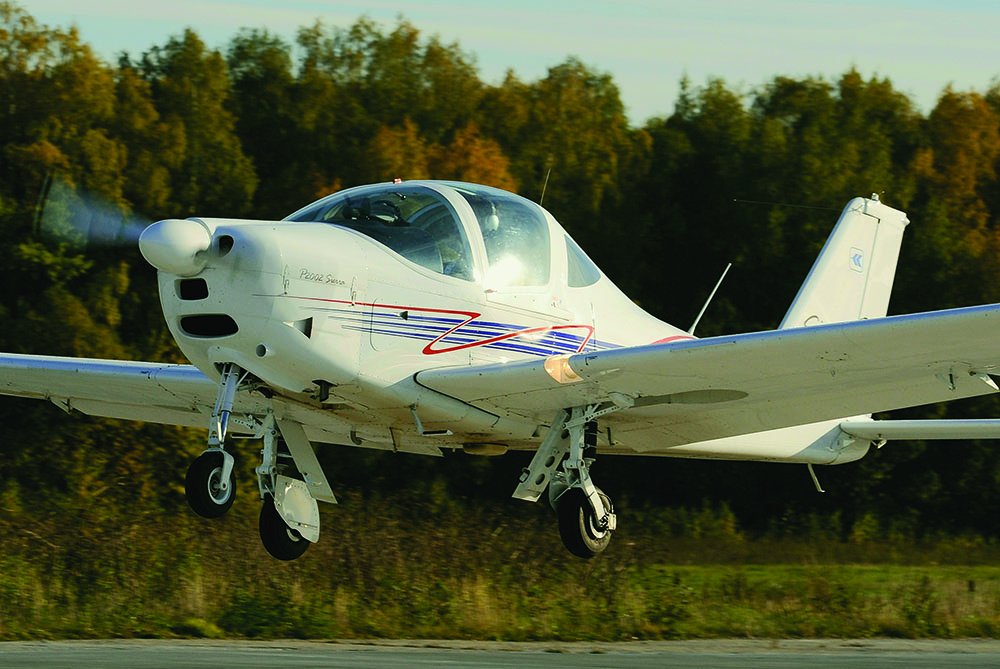


There you are, on short final to a nearby airport’s runway, hoping to get to the fly-in breakfast before the sausages get too old. You’ve made your position reports on the CTAF throughout the pattern, the landing checklist is complete, the airplane is configured for landing and you’ve nailed the airspeed. All you’re waiting for as you glide down to the runway is raising the nose for the flare and the final power reduction. There’s no reason to expect this won’t be one of your better landings. Until that airplane that’s been sitting in the run-up area decides to taxi onto your runway, turn its back to you and begin accelerating for its takeoff roll. It’s time to go around. What will you do?
Too often, panic sets in and—perhaps in haste, perhaps in surprise, perhaps a result of poor technique—the pilot in your situation forgets something and the go-around becomes something more. Even if the maneuver doesn’t end with you and your airplane balled up next to the runway, it’s likely your go-around isn’t as smooth or deliberate as you might want. So close to the ground, this is one maneuver you need to get right the first time. But you’ve practiced go-arounds, also known as balked landings, and you know that immediately adding full power may be the wrong reaction.

