













Register

Glideslope Gouges

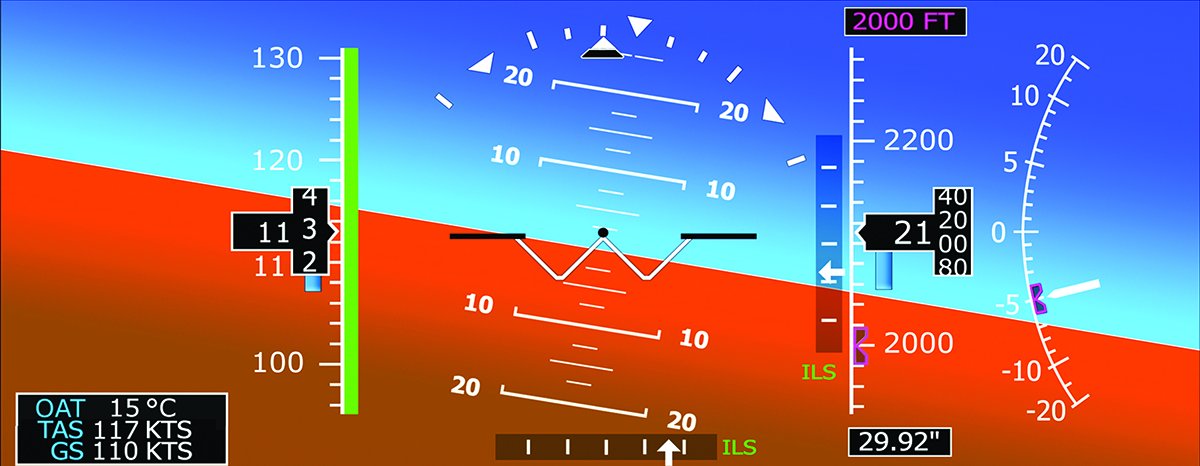
A gouge really is nothing more than a clever saying-east is least, west is best-or a rule intended to remind us of something we already know. One thing about memory gouges is theres virtually no end to them. Another thing, ironically, is we tend to forget them. With that in mind, heres a quick refresher on a gouge designed to help us fly a glideslope.

Gemini Sparkle

Key Takeaways:

  • The "Rule of Three" is a pilot's memory aid (gouge) designed to help manage and understand standard three-degree glideslopes on ILS, LPV, and LNAV/VNAV approaches.
  • This rule simplifies calculations by establishing that a three-degree glideslope involves a descent of approximately 300 feet of altitude per nautical mile traveled.
  • It allows pilots to quickly estimate required altitudes at given distances, verify they are on the correct glideslope (avoiding false ones), and determine their distance from the runway.
  • A related memory gouge helps estimate the necessary descent rate in feet per minute by multiplying the aircraft's groundspeed by five.
See a mistake? Contact us.

Pilots depend on their training and memory to get through many tasks. But no one can remember everything there is to know about flying, especially its more arcane aspects. Thus, the memory gouge was invented, to help us remember what we’re supposed to do and when.

A gouge really is nothing more than a clever saying—east is least, west is best—or a rule intended to remind us of something we already know. One thing about memory gouges is there’s virtually no end to them. Another thing, ironically, is we tend to forget them. With that in mind, here’s a quick refresher on a gouge designed to help us fly a glideslope.


Ready to Sell Your Aircraft?

List your airplane on AircraftForSale.com and reach qualified buyers.

List Your Aircraft
AircraftForSale Logo | FLYING Logo
Pilot in aircraft
Sign-up for newsletters & special offers!

Get the latest stories & special offers delivered directly to your inbox.

SUBSCRIBE