











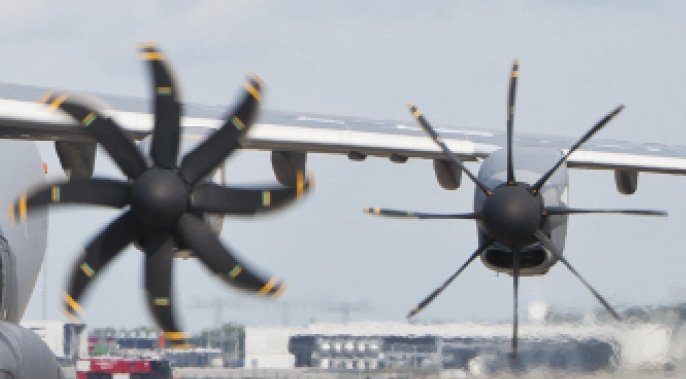


A reader recently wrote to request an article on propellers: Why are “constant-speed” props called what they are, how can a fixed-pitch prop “lug” the engine and how does the number of propeller blades affect performance were some of the questions posed, and we promised to follow up. We’ll talk mainly about how to fly common propeller systems on piston-powered small airplanes.
Remember that propeller blades are airfoils moving in a plane different from and usually perpendicular to the direction of flight. As an airfoil, the amount of lift the blade creates when moving through the air depends on its angle of attack, and its angle of attack—plus drag—can depend on a variety of factors, including the airplane’s pitch attitude. Remember, too, that the outer portions of long prop blades move faster—they cover greater distance in the same amount of time—than shorter ones.

