














Register

What Do Pilots Need to Know About Temperature Inversions?

Temperature inversions are quite common in the lower troposphere and are created by several different atmospheric processes.

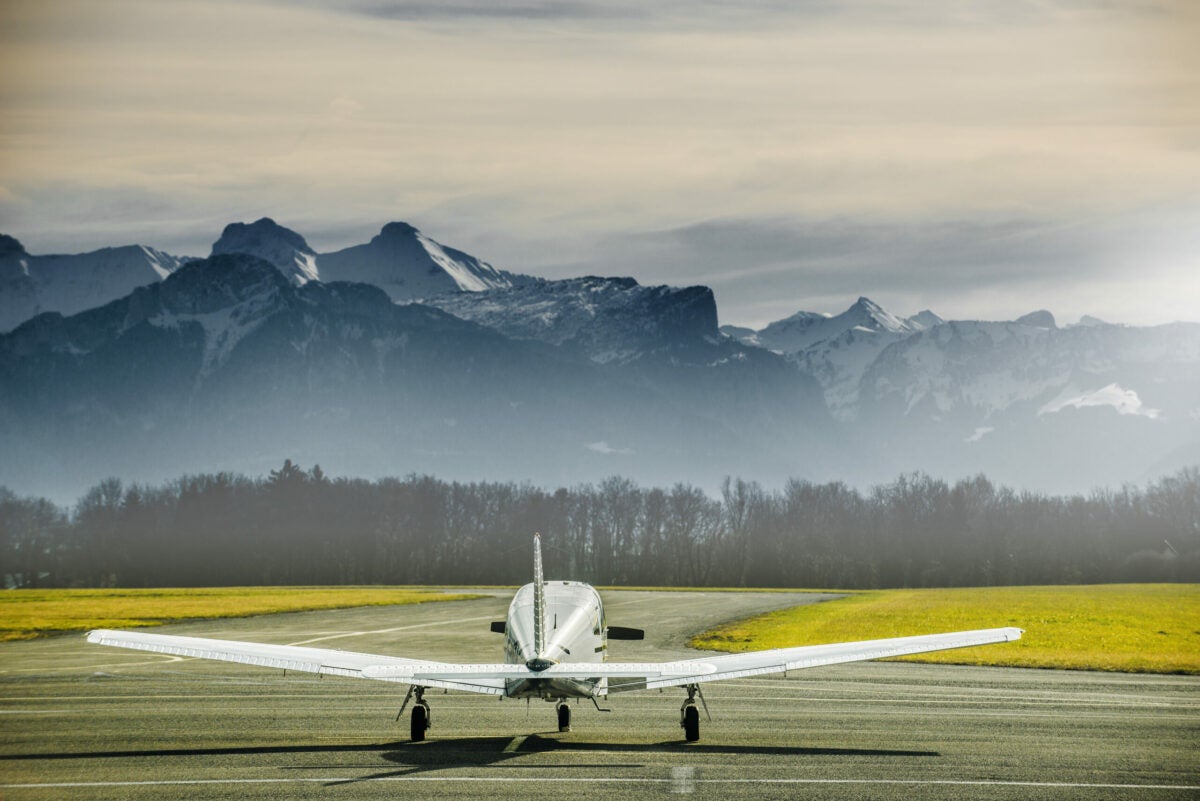
Temperature inversions are quite common in the lower troposphere and are created by several different atmospheric processes. [Credit: Shutterstock]
Gemini Sparkle

Key Takeaways:

  • Temperature inversions occur when air temperature increases with altitude, creating stable atmospheric conditions that inhibit vertical mixing, commonly forming nocturnally from surface cooling or with frontal systems.
  • Pilots should be aware that inversions frequently lead to significant hazards such as dense radiation fog (reducing visibility) and non-convective low-level wind shear, where winds can be dramatically stronger just a few hundred feet above a calm surface.
  • Additional impacts for pilots include gravity waves near mountains (causing updrafts and downdrafts), the potential for freezing rain in winter, and anomalous propagation on Doppler radar, which produces misleading weather returns.
See a mistake? Contact us.

Question: As a skier in Virginia and West Virginia, we are frequently impacted by inversions at the mountain-top height. What do pilots need to know about temperature inversions? I have yet to find a good discussion of them.

Answer: Before we can discuss temperature inversions, we need to explore the more generic concept of atmospheric lapse rates. A lapse rate is simply the change in temperature over a given change in altitude. 

Pilots are taught during their primary training that the standard lapse rate is 2 degrees Celsius for every 1,000-foot gain in altitude. That means, on an average day, the atmosphere “cools” at this rate. In other words, the higher you ascend in the troposphere, the colder it gets. We refer to this as a “positive” lapse rate. 

Scott Dennstaedt, Ph.D

Scott resides in Charlotte, North Carolina, and flies regularly throughout the Mid-Atlantic and Southeast U.S. He is a CFI and former NWS meteorologist. Scott is the author of "The Skew-T log (p) and Me: A Primer for Pilots" and the founder of EZWxBrief.

Ready to Sell Your Aircraft?

List your airplane on AircraftForSale.com and reach qualified buyers.

List Your Aircraft
AircraftForSale Logo | FLYING Logo
Pilot in aircraft
Sign-up for newsletters & special offers!

Get the latest stories & special offers delivered directly to your inbox.

SUBSCRIBE

