













Register

Successfully Ditching Jet Transports

The FAAs Aeronautical Information Manual, at paragraph 6-3-3, puts it bluntly: "A successful aircraft ditching is dependent on three primary factors. In order of importance they are: sea conditions and wind, type of aircraft, and the skill and technique of the pilot." I maintain that the AIM leaves out one critical component of a truly successful ditching: The performance of the crew and passengers, together, during the aircraft ditching and subsequent evacuation of the aircraft. You want to know how I know? Ive been there. On June 14, 2001, I was piloting a Cessna 210 out of Key West, Fla., on an IFR flight plan heading to Grand Cayman Island. Onboard were my two daughters, ages 8 and 9, their babysitter, age 15, and a 20-year-old first-timer in my airplane. I was the only pilot and we were loaded to maximum gross weight. I did myself a favor the evening before by briefing the babysitter at the airplane, about her responsibilities both during the flight, and if there was a problem. Being a bantam weight, I decided her best seat would be in the rear, since it was probably the most difficult seat from which to egress. We talked about the slim chance that a problem would occur, and we talked about the options and safety equipment that I had onboard. I showed her how to don her life vest, where the life vests lived, and we talked about the importance of wearing them for takeoff and landing, when wed be low over the water, with no time for donning them. We briefed on the life raft, which sat between the seats and just behind me. Finally, I showed her the mini SCUBA rescue bottle, with its own regulator, that sits in the seat pocket directly in front of the rear seat passenger. I told her it would give her a couple of minutes, even if she was underwater, and I had her turn it on and take a breath, just so shed know.

Gemini Sparkle

Key Takeaways:

  • The article argues that successful aircraft ditching relies heavily on the preparedness and performance of passengers and crew, a critical factor often overlooked by official guidelines.
  • The author's firsthand experience of an engine failure and ditching demonstrates how comprehensive pre-flight briefings and even playful training for passengers enabled a swift and successful evacuation.
  • Key takeaways from the incident include prioritizing a survivable landing over troubleshooting, ensuring safety equipment is attached or readily portable, and empowering passengers to act as a team in an emergency.
See a mistake? Contact us.

The FAAs Aeronautical Information Manual, at paragraph 6-3-3, puts it bluntly: “A successful aircraft ditching is dependent on three primary factors. In order of importance they are: sea conditions and wind, type of aircraft, and the skill and technique of the pilot.” I maintain that the AIM leaves out one critical component of a truly successful ditching: The performance of the crew and passengers, together, during the aircraft ditching and subsequent evacuation of the aircraft.

You want to know how I know? Ive been there. On June 14, 2001, I was piloting a Cessna 210 out of Key West, Fla., on an IFR flight plan heading to Grand Cayman

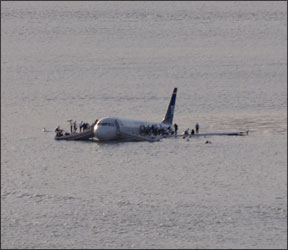
US Airways Flight 1549

288

Ready to Sell Your Aircraft?

List your airplane on AircraftForSale.com and reach qualified buyers.

List Your Aircraft
AircraftForSale Logo | FLYING Logo
Pilot in aircraft
Sign-up for newsletters & special offers!

Get the latest stories & special offers delivered directly to your inbox.

SUBSCRIBE

