













Register

Piston Engine Health Monitoring And Analysis

Looking back, the results were predictable, but the pilots and operators of earlier aircraft rarely had a choice. Advances in technology today allow precise engine monitoring and data evaluation so as to accurately predict and prevent upcoming partial or complete engine failures. In fact, monitoring has improved to the point that its rare for a modern and properly maintained-and operated-piston aircraft engine to fail without some kind of warning. The operators job is to conduct appropriate monitoring and analysis, and then to act when the data indicate a problem. Establishing an engine monitoring program and the minimal investment in equipment and training can be a significant factor in improving safety and reducing the overall cost of operation.


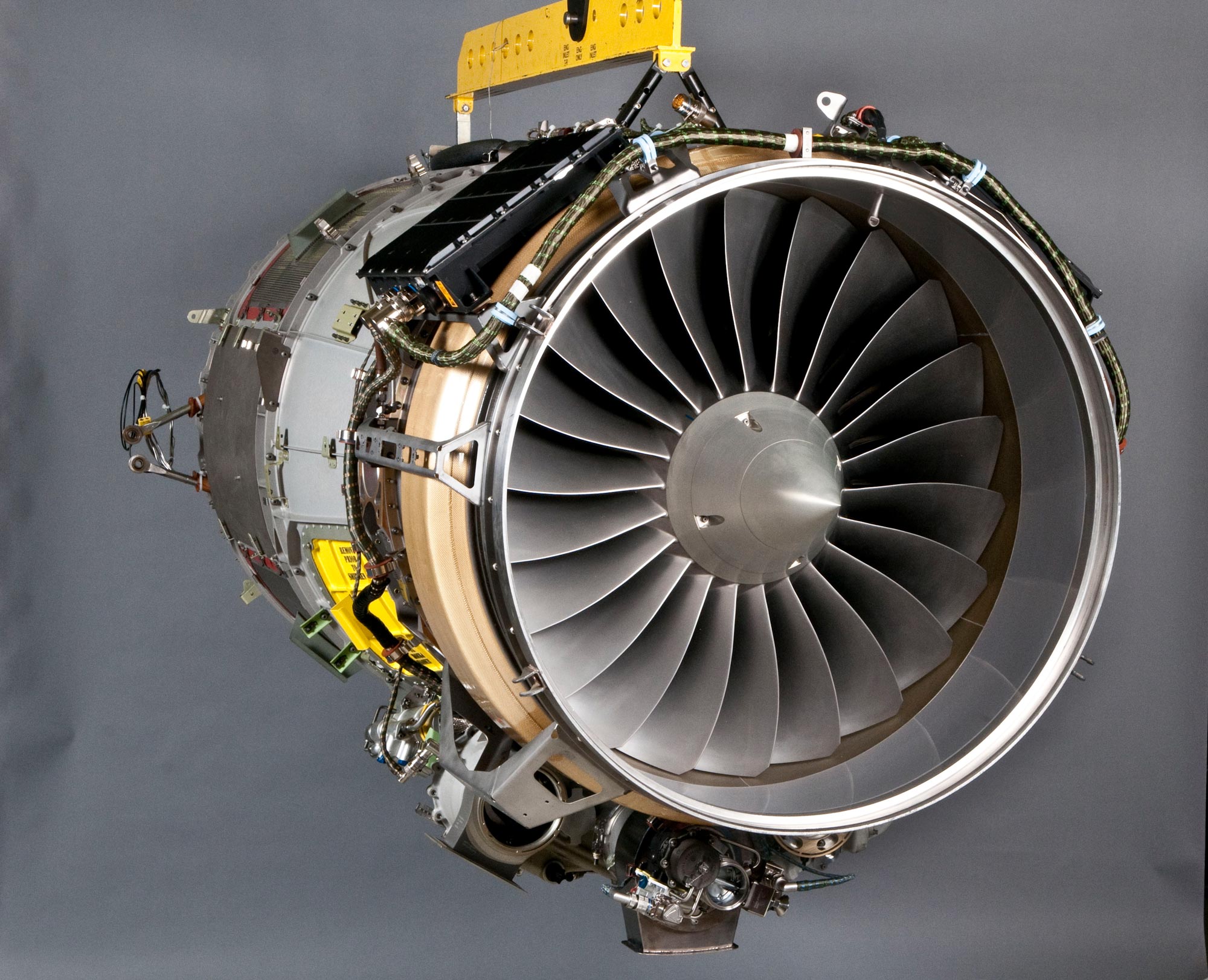
The HTF7000 engine series may soon gain a big brother to power larger ultra-long-range aircraft. Honeywell Aerospace
Gemini Sparkle

Key Takeaways:

  • Active engine monitoring and data analysis are crucial for preventing failures, improving safety, and reducing costs in aircraft, particularly as many piston engines still rely on outdated instrumentation.
  • Utilizing modern monitoring tools like electronic engine monitors, oil analysis, and borescope inspections allows operators to detect subtle trends and abnormal readings, enabling proactive prevention of engine failures.
  • Establishing a robust engine monitoring program, investing in training, and acting on data are critical steps for operators to enhance engine reliability, improve safety, and significantly reduce power-loss accidents.
See a mistake? Contact us.

You don’t have to take our word for it: It has been proven many times over by military and commercial aircraft operators—as well any industry depending on large, powerful diesel and turbine engines—that active monitoring and data analysis can prevent failure and reduce the overall cost of operation. These days, sophisticated computerized engine controls are common in many applications, but the typical piston-powered aircraft still runs with instrumentation based on 1930s technology.

Looking back, the results were predictable, but the pilots and operators of earlier aircraft rarely had a choice. Advances in technology today allow precise engine monitoring and data evaluation so as to accurately predict and prevent upcoming partial or complete engine failures. In fact, monitoring has improved to the point that it’s rare for a modern and properly maintained—and operated—piston aircraft engine to fail without some kind of warning. The operator’s job is to conduct appropriate monitoring and analysis, and then to act when the data indicate a problem. Establishing an engine monitoring program and the minimal investment in equipment and training can be a significant factor in improving safety and reducing the overall cost of operation.

Ready to Sell Your Aircraft?

List your airplane on AircraftForSale.com and reach qualified buyers.

List Your Aircraft
AircraftForSale Logo | FLYING Logo
Pilot in aircraft
Sign-up for newsletters & special offers!

Get the latest stories & special offers delivered directly to your inbox.

SUBSCRIBE