











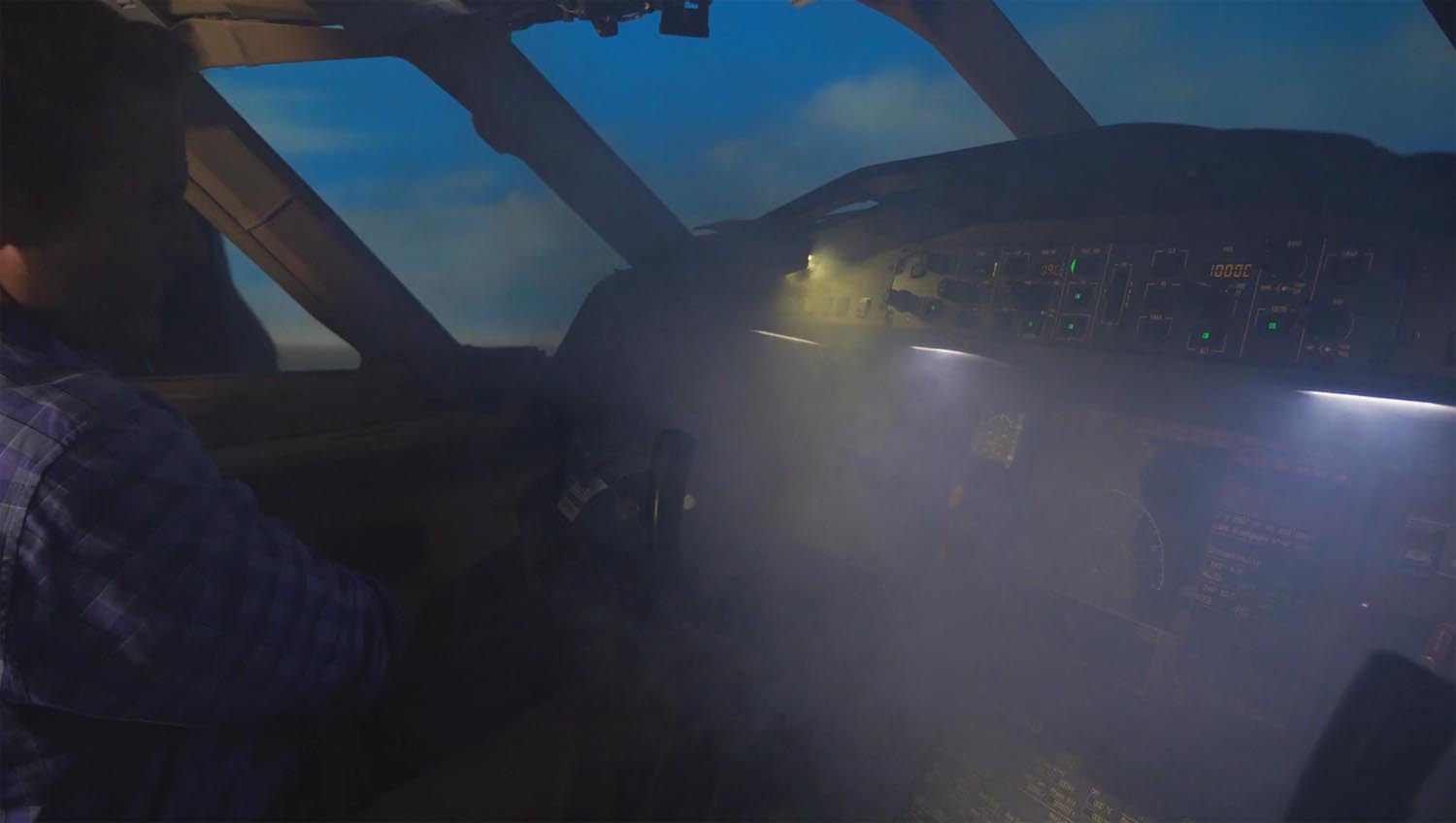


If you have been following aviation news for the last, say, 20 years, you have probably read a thing or two about smoke and fume events. What is so insidious about these events is that their prominent manifestation is a “dirty sock” odor, followed by dizziness, disorientation and an array of other symptoms. Before specific training was widely incorporated, by the time the flight crews realized something wrong, the damage was done. Crews reported not remembering landings and a few pilots with acute exposure died.
The most common reason for these fume events is a lubricant ending up in the aircraft’s cabin pressurization system, distributing toxic fumes throughout the pressure vessel. While this specific failure is an unlikely occurrence in most general aviation aircraft, there are still lessons to be learned from dealing with situations like these. A common factor in these events is that, while the crew attempts to investigate the source of the smoke or fumes, the situation devolves. The smoke may turn into a full-fledged fire, or the fumes may be actively poisoning the aircraft’s occupants. Preventing the event is obviously the first choice, but once that barrier has been breached, crews need to recognize the warning signs and respond according to their training.

