What to Know When Sharing the Sky With Fireworks

Here are some tips to consider before taking off to see the festivities from above this July Fourth.

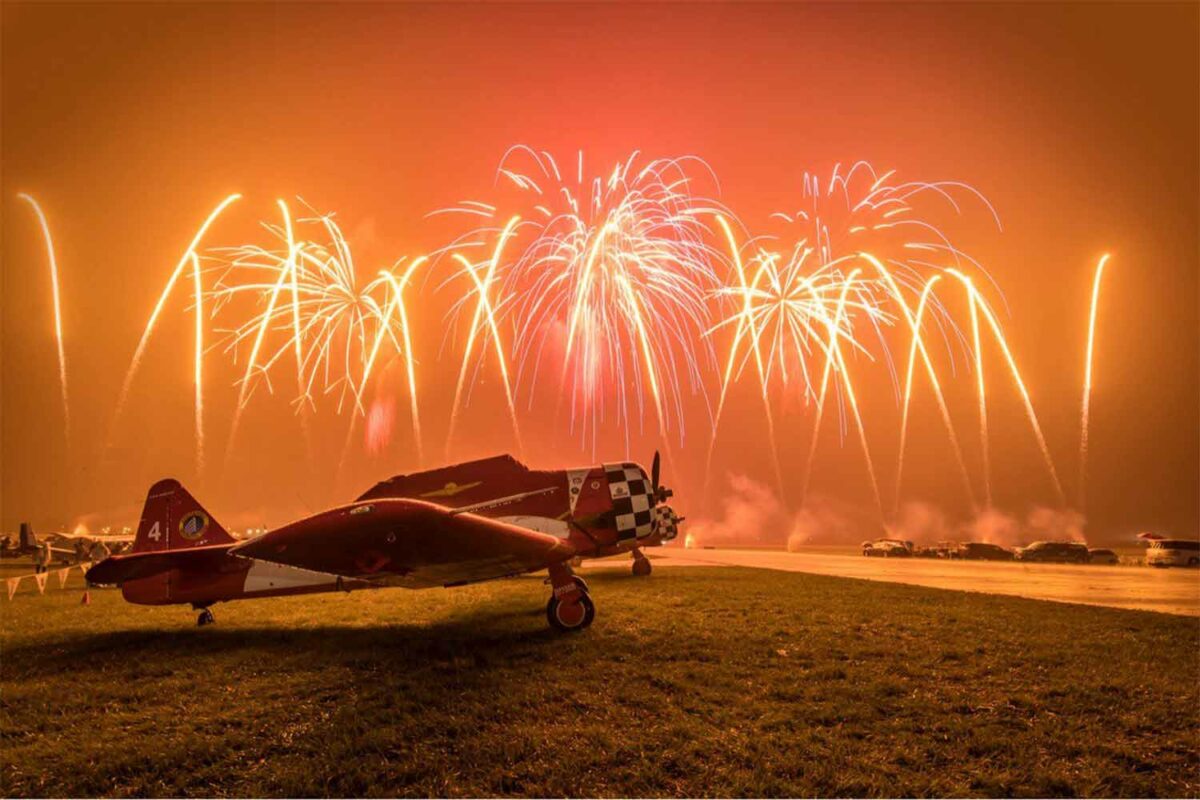
[FLYING file photo]
Gemini Sparkle

Key Takeaways:

  • Pilots planning to view Fourth of July fireworks from the air must meticulously plan, checking FAA Temporary Flight Restrictions (TFRs) days in advance and ensuring they fly at least 2,000 feet AGL to safely clear commercial displays.
  • Be highly aware of non-commercial fireworks at ground level near airports, as they can create hazards like bottle rockets during takeoff/landing and leave behind FOD or paper lanterns (with propeller-damaging wire) in movement areas.
  • In the air, maintain extreme vigilance for other aircraft, consider obtaining flight following, and utilize ADS-B, as many pilots will share the same objective, though the aerial view lacks the sound and smell of fireworks.
See a mistake? Contact us.

The Fourth of July is around the corner, which means many pilots may have watching fireworks from the air on their bucket list. 

It’s possible to safely and legally view the celebrations from the sky, as long as you take precautions and follow FAA guidelines, such as adherence to temporary flight restrictions (TFRs).

Planning Ahead

Your flight planning should begin several days in advance. The FAA has a TFR map that goes up in advance of commercial fireworks displays that notes the duration of the airspace restriction. Compare this to your planned route and note the time the fireworks show is scheduled to begin.

Please note that often the airspace closes down before the fireworks show start time in order to provide protection for television crews that may be covering the event from helicopters. 

Commercial fireworks displays occur relatively low to the ground. According to information from multiple commercial fireworks providers, such as Keystone Fireworks, Skylighter, and Pyro Innovations, professional fireworks are usually shot at an angle, such as 75 to 90 degrees, and go as high as 1,200 feet agl. Flying at least 2,000 feet agl should put you above the festivities.

Noncommercial Fireworks Displays

Some people who will use the open land of a nontowered airport to fire off their own personal fireworks. This may not be legal due to airport, county, or city ordinances. Check before you start lighting fuses.

For the pilots who are taking off and landing in the dark on July Fourth, beware of fireworks at ground level. This is particularly true at airparks. It can be exciting—and not in a good way—when a bottle rocket zips across the runway when you are on short approach. 

Challenges can continue the next morning if those who launched the fireworks don’t pick up the burned remains. You may find FOD on the runway and in the aircraft movement areas. 

One particularly troublesome device is the paper lantern, which is basically a hot-air balloon several feet in diameter made from tissue paper, balsa wood, and wire. They are often launched in groups but not recovered. Depending on the prevailing winds, they can come out of nowhere and drift across a taxiway or runway during aircraft operations. They may seem benign, but that wire can damage your propeller.

Safety in the Air

Although you don’t have to file a flight plan to observe fireworks from the air, it may be a good idea to obtain flight following to give you another set of eyes on the traffic. Keep your head on a swivel looking outside and have the ADS-B up and running because it is highly likely there will be other aircraft up there with you on the same mission.

While it can be impressive to watch multiple fireworks displays from the air, it is definitely a different sensory experience than from the ground. You won’t hear them explode from the air. It is a bit like watching TV with the sound off. You also won’t smell the gunpowder, which to some adds to the intensity of the holiday experience.

Meg Godlewski

Meg Godlewski has been an aviation journalist for more than 24 years and a CFI for more than 20 years. If she is not flying or teaching aviation, she is writing about it. Meg is a founding member of the Pilot Proficiency Center at EAA AirVenture and excels at the application of simulation technology to flatten the learning curve. Follow Meg on Twitter @2Lewski.


Ready to Sell Your Aircraft?

List your airplane on AircraftForSale.com and reach qualified buyers.

List Your Aircraft
AircraftForSale Logo | FLYING Logo
Pilot in aircraft
Sign-up for newsletters & special offers!

Get the latest stories & special offers delivered directly to your inbox.

SUBSCRIBE