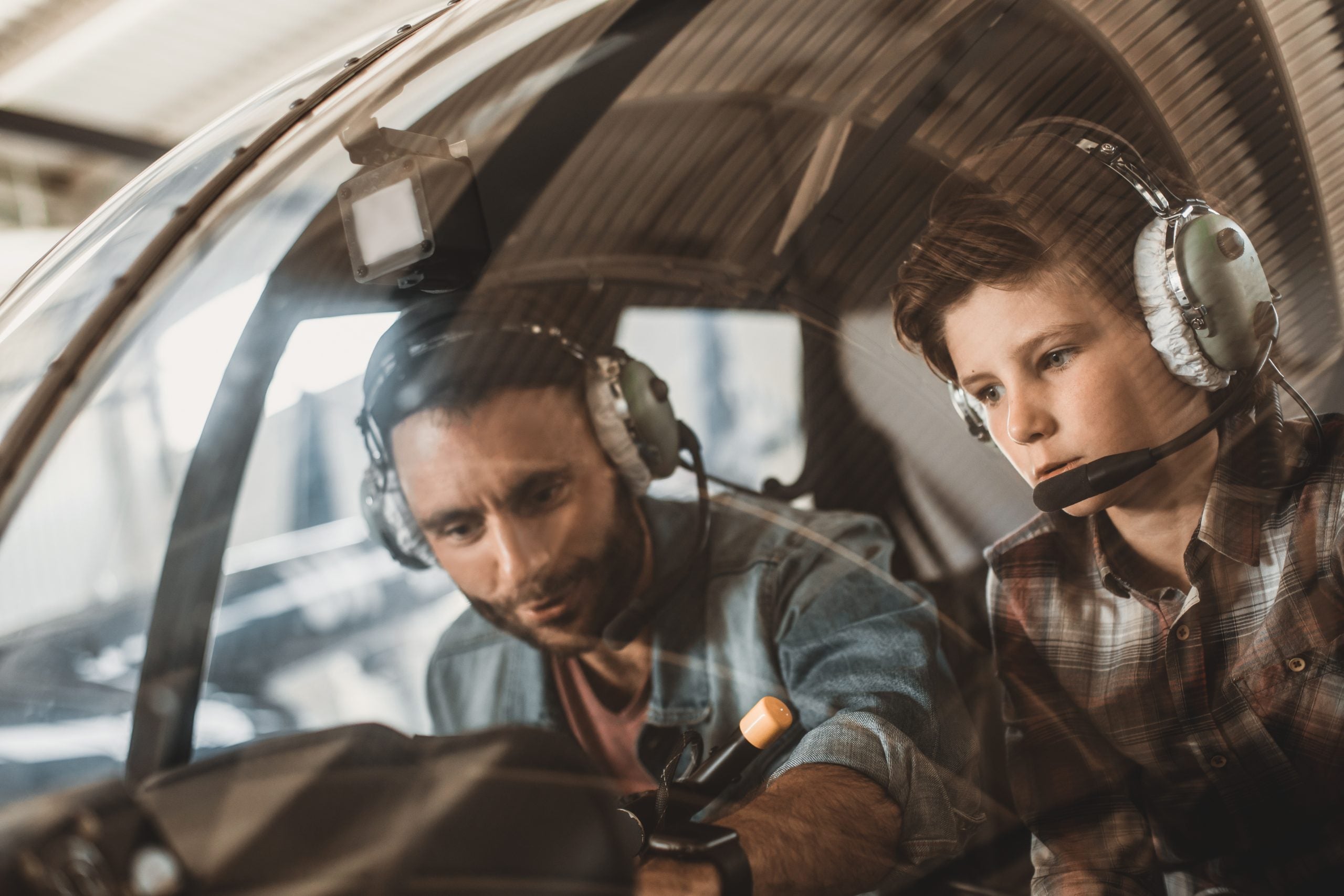
Michael Wildes says having instructional knowledge is only part of the job of a flight instructor. Credit: Adobe Stock
Key Takeaways:
Flight instructors face a critical challenge in assessing students' emotional and psychological readiness for flight, a factor vital for safety, as highlighted by tragic incidents involving undisclosed mental health concerns.
The evolving role of flight instructors, including a growing number of young professionals, necessitates the development of strong emotional intelligence alongside technical expertise to effectively identify risks and make sound judgments about student progression.
“How do you manage to trust a new student?! You must be so brave!”
That’s what a family member asked me recently, and I knew what they meant. It wasn’t a speculative question. Indeed, this might be the most important question instructors have to answer each day.
CREATE A FREE ACCOUNT
Sign up to keep reading
Create a free account to continue. Already a member? Sign in below.
Michael Wildes holds a master’s degree in Logistics & Supply Chain Management, and a bachelor’s degree in Aeronautical Science, both from Embry-Riddle Aeronautical University. Previously, he worked at the university’s flight department as a Flight Check Airman, Assistant Training Manager, and Quality Assurance Mentor. He holds MEI, CFI & CFII ratings. Follow Michael on Twitter @Captainwildes.