













Register

Water or Trees?

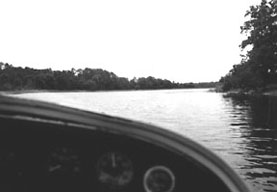
When faced with a controlled forced landing, water offers little danger. Surprisingly, the same is true of heading for the trees.

Gemini Sparkle

Key Takeaways:

  • Both controlled ditchings in water and forced landings into trees offer similar high survival rates (around 90%), challenging the prior assumption that water was significantly safer.
  • While survival rates are similar, forced landings in trees carry a significantly higher risk of serious injuries compared to ditching in water.
  • Open fields provide the safest option for forced landings, resulting in the lowest fatality and injury rates among all surfaces reviewed.
  • In any emergency landing, the pilot's primary focus should be on occupant survival, as the aircraft is likely to be a total loss regardless of the chosen landing surface.
See a mistake? Contact us.

If you fly long enough and often enough, sooner or later youll face the prospect of having to put an airplane on the deck in a hurry. If youre lucky, itll be due to just a sick passenger or maybe a rough engine. But it could just as well be a full-up-oil-on-the-windshield forced landing.

In the latter, youre confronted with the sudden and unavoidable question of where to put the thing down. Is a road the best choice? An open plowed field? Settling into a dense pine forest? A nice lake, near the shore?


Ready to Sell Your Aircraft?

List your airplane on AircraftForSale.com and reach qualified buyers.

List Your Aircraft
AircraftForSale Logo | FLYING Logo
Pilot in aircraft
Sign-up for newsletters & special offers!

Get the latest stories & special offers delivered directly to your inbox.

SUBSCRIBE