













Register

Twenty Miles?

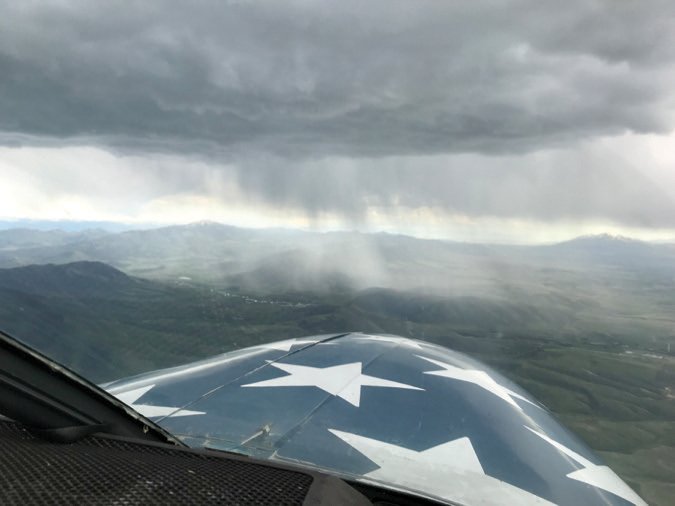
The 20-mile clearance policy is a safe number and probably easy to stipulate, but scale and definitions make it challenging. For every fully visible and developed severe thunderstorm, there are even more smaller cells or building storms that may or may not grow to thunderstorm level. Sometimes a curtain of rain is just a curtain of rain. Other times, it can be hiding something much bigger due to the lurking cumulonimbus that has built up above the overcast.

Gemini Sparkle

Key Takeaways:

  • Thunderstorms are extremely powerful and frequent weather events, releasing immense energy, and the FAA recommends a 20-mile avoidance radius for pilots to mitigate their hazards.
  • Precisely defining "what" constitutes a thunderstorm for the 20-mile avoidance rule is complex and requires pilot judgment, as storm appearance and radar indications can be ambiguous.
  • Pilots must be aware of dangerous phenomena extending far beyond the visible storm core, including gust fronts, virga, microbursts, and outflow winds, which can cause severe wind shear and stalls.
See a mistake? Contact us.

Time-lapse thunderstorm videos recorded by the International Space Station always remind me of science fiction movies, slightly unbelievable. The truth is both stranger and more violent than you may realize.

Our planet experiences constant thunderstorms, weather phenomena when solar heat stored in warm, moist air is converted into kinetic and electromagnetic energy, including X-ray and gamma-ray flashes. According to NOAA estimates, there are about 16 million thunderstorms worldwide each year, and roughly 2000 at any given moment.


Ready to Sell Your Aircraft?

List your airplane on AircraftForSale.com and reach qualified buyers.

List Your Aircraft
AircraftForSale Logo | FLYING Logo
Pilot in aircraft
Sign-up for newsletters & special offers!

Get the latest stories & special offers delivered directly to your inbox.

SUBSCRIBE