
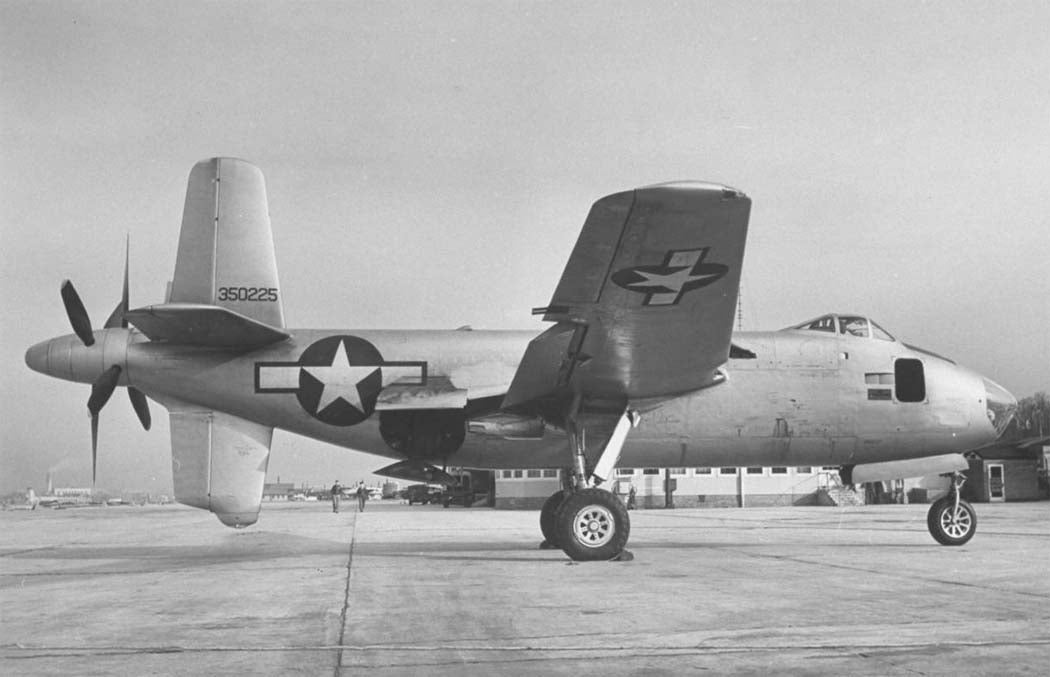


The World War II era was an interesting time to be an aircraft engineer. Piston-engine technology was reaching a pinnacle of power and complexity, huge design and production demands were incoming from the war effort, and the advent of jet power had just emerged. It was a time to push up sleeves, sharpen pencils, and push boundaries.
This was certainly the case at Douglas Aircraft Co. When approached by the military to develop a small bomber that prioritized speed, Douglas responded with the XB-42, nicknamed “Mixmaster”—a decidedly unconventional, piston-powered design that it promised would achieve nearly 500 mph. When the military gave the go-ahead to build and fly two prototypes, it was up to the engineers to deliver the extreme performance.