













Register

That Elusive Proficiency

Gemini Sparkle

Key Takeaways:

  • Modern instrument flying, especially with Technically Advanced Aircraft (TAA), presents significant challenges, and simply meeting legal currency minimums for an Instrument Proficiency Check (IPC) is often insufficient for true real-world competency.
  • To maintain robust instrument proficiency, pilots should adopt a structured training regimen that integrates academic study, frequent hands-on avionics practice using trainers, simulator work, and diverse flight scenarios.
  • Working with a qualified Instrument Instructor (CFII) is crucial for a comprehensive IPC, focusing on advanced regulations, decision-making, and emergency procedures, with post-flight debriefs being vital for improving judgment and identifying future training needs.
See a mistake? Contact us.

Many consider the instrument rating as the most difficult aeronautical achievement. This is probably even more the case today than when I earned that coveted capability almost a half-century ago. While aircraft haven’t changed much, the avionics, regulations, and AIM have all undergone significant metamorphosis.

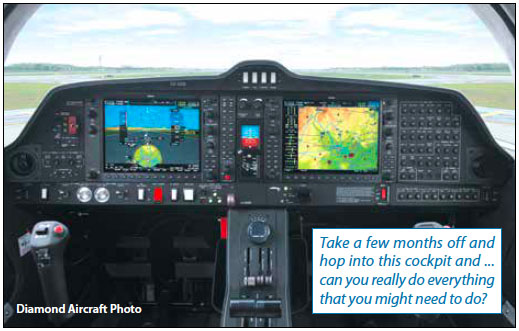
Today’s GPS equipment and the procedural techniques required in Technically Advanced Aircraft (TAA) require even greater levels of proficiency. Programming the avionics demands a familiarity with button-pushing that can easily confuse a pilot who’s not intimately familiar with the systems.


Ready to Sell Your Aircraft?

List your airplane on AircraftForSale.com and reach qualified buyers.

List Your Aircraft
AircraftForSale Logo | FLYING Logo
Pilot in aircraft
Sign-up for newsletters & special offers!

Get the latest stories & special offers delivered directly to your inbox.

SUBSCRIBE