















Register

Aftermath: For Want of a Nail

Gemini Sparkle

Key Takeaways:

  • A fatal Sikorsky S-76C helicopter crash was caused by a bird strike that inadvertently dislodged fire extinguisher T-handles, leading to a simultaneous reduction in engine power and subsequent rotor RPM decay.
  • Contributing factors included the aircraft's design vulnerabilities, such as the throttle quadrant's susceptibility to bird strike impact, the use of weaker aftermarket acrylic windshields, and the absence of an auditory low-rotor-rpm warning system.
  • The accident highlighted regulatory shortcomings in rotorcraft bird strike requirements and led to subsequent safety improvements, including proposed FAA standards for alerting systems and the operator replacing vulnerable windshields.
See a mistake? Contact us.

(August 2011) It has often been said that accidents result not from one big cause, but from a lot of little ones that happen to converge in some unforeseen way. Nevertheless, many fatal accidents do arise from one simple cause: VFR pilots flying into IFR weather. This happens so regularly, and in so monotonous a pattern, that I seldom write about it, since there seems to be so little to say about any given instance. I prefer, if one can be said to prefer one type of sad event to another, to examine accidents whose causes are more complex and thought provoking.

Another truism is that mechanical failures are comparatively rare; most accidents are precipitated by some pilot action or omission. Such mechanical failures as do occur fall into various categories — materials failures, maintenance errors and so on. Of these categories, one of the least populous, but of the greatest practical interest, is that of accidents that are due to engineering. These accidents arise from unexpected interactions of seemingly benign or unrelated design features. This is the soil in which certification requirements, and liability lawsuits, sprout and proliferate.
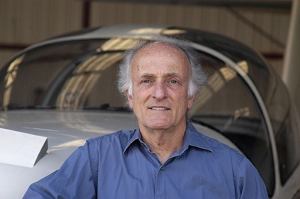

Peter Garrison

Peter Garrison taught himself to use a slide rule and tin snips, built an airplane in his backyard, and flew it to Japan. He began contributing to FLYING in 1968, and he continues to share his columns, ""Technicalities"" and ""Aftermath,"" with FLYING readers.

Ready to Sell Your Aircraft?

List your airplane on AircraftForSale.com and reach qualified buyers.

List Your Aircraft
AircraftForSale Logo | FLYING Logo
Pilot in aircraft
Sign-up for newsletters & special offers!

Get the latest stories & special offers delivered directly to your inbox.

SUBSCRIBE
