
Register

AC-130J Ghostrider Damaged in Flight Test
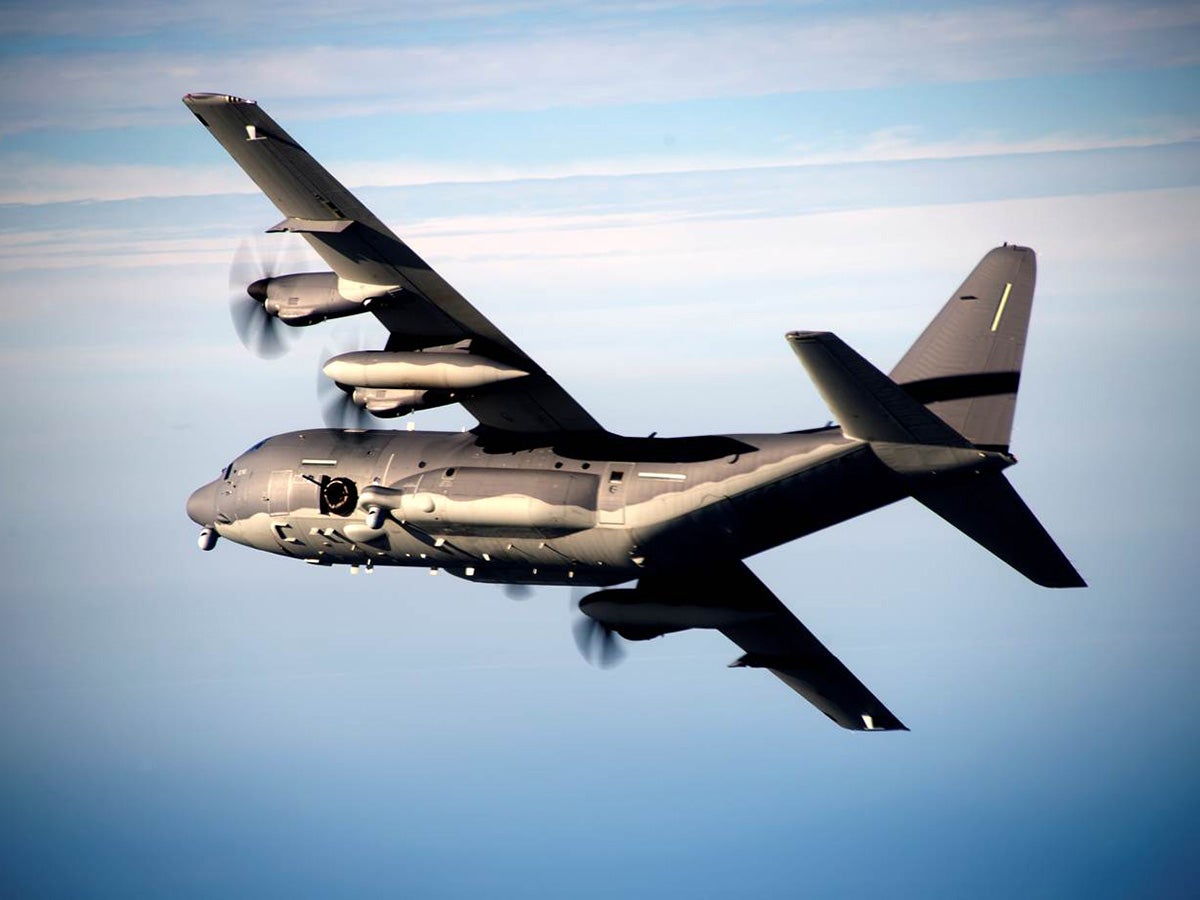
U.S. Air Force
Gemini Sparkle

Key Takeaways:

  • An Air Force AC-130J Ghostrider was severely damaged and deemed a total loss ($115 million cost) after going inverted during a test flight in April.
  • The mishap occurred during steady heading sideslip maneuvers when the aircraft exceeded its targeted angle of sideslip and lost control at 15,000 feet.
  • The primary cause was attributed to excessive rudder input followed by inadequate recovery input, leading to overcontrol/undercontrol and incorrect actions during the operation.
  • Contributing factors included instrumentation/warning system issues, spatial disorientation, confusion, and insufficient procedural guidance for the test team.
See a mistake? Contact us.

The Air Force Materiel Command has publicly admitted to a mishap in which an Air Force test pilot crew got the ride of their life in April of this year. An AC-130J Ghostrider, an airplane weighing as much as 164,000 pounds, went inverted during a test flight and was severely damaged, a mistake that is costing taxpayers $115 million.

The Ghostrider belonged to the 413 Flight Test Squadron at the Eglin Air Force Base in northwest Florida. According to information released by the Wright Patterson Air Force Base in Ohio, the Ghostrider crew was conducting steady heading sideslip maneuvers at 15,000 feet over the Gulf of Mexico, about 400 miles south of Eglin Air Force Base. The airplane “exceeded the targeted angle of sideslip” and the crew lost control of the airplane, which momentarily went inverted. The Ghostrider lost about 5,000 feet before the crew recovered control.

The report said the airplane was exposed to excessive g forces and exceeded its design limit load. It has since been deemed a total loss.

The president of the Accident Investigation Board said the cause of the accident was “excessive rudder input during the test point followed by inadequate rudder input to initiate a timely recovery from high angle of sideslip due to overcontrolled/undercontrolled aircraft and wrong choice of action during an operation.”

Contributing factors were instrumentation and warning system issues, spatial disorientation, confusion, and inadequate provision of procedural guidance or publications to the team, the board president said.

Pia Bergqvist

Pia Bergqvist joined FLYING in December 2010. A passionate aviator, Pia started flying in 1999 and quickly obtained her single- and multi-engine commercial, instrument and instructor ratings. After a decade of working in general aviation, Pia has accumulated almost 3,000 hours of flight time in nearly 40 different types of aircraft.

Ready to Sell Your Aircraft?

List your airplane on AircraftForSale.com and reach qualified buyers.

List Your Aircraft
AircraftForSale Logo | FLYING Logo
Pilot in aircraft
Sign-up for newsletters & special offers!

Get the latest stories & special offers delivered directly to your inbox.

SUBSCRIBE