VFR

Sky Kings: Off-Airport Adventures

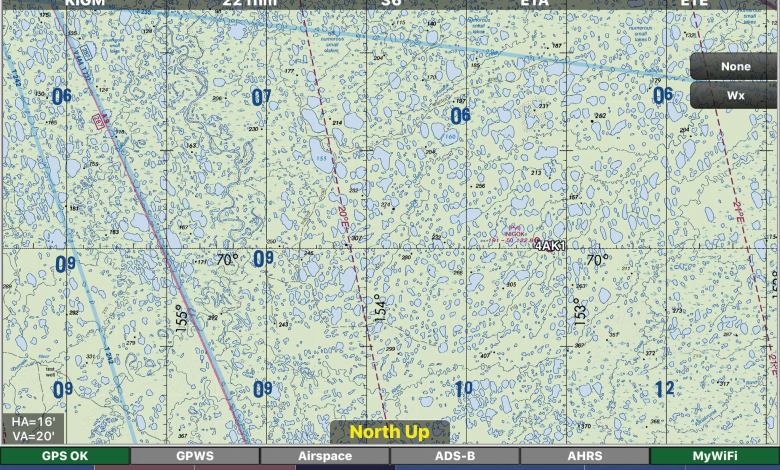
“It’s that lake right … there,” he said. When he removed his finger from the chart, all I could see was a mass of hundreds of lakes. It was to be our briefing for the flying adventure of a lifetime, but it was occurring in a restaurant bar, and it was clear that by the […]

Read More »

I Learned About Flying From That: Asking For Help

As a relative newbie to flying in “weather,” I am impressed when I fly along VFR with more seasoned pilots in haze that would scare me if I were alone. “It’s just haze, with a good 5 miles of visibility,” I am often told. But looking straight ahead through 10 miles of mild haze is […]

Read More »

Sky Kings: A Sporting Chance

“You just flew through a military training route.” The controller was agitated. Since whatever had happened had happened, and we were already within 10 miles of Thermal’s nontowered airport, John told the controller we were leaving his frequency to get airport advisories. John then switched our transponder to 1200, the VFR squawk, and changed frequencies. […]

Read More »

Judging VFR Cloud Distances

One of the most-often busted federal aviation regulations is VFR cloud clearances. That’s because pilots often have a hard time judging how close they really are to clouds. We all know that in Class E airspace below 10,000 feet msl we need at least 3 statute miles of visibility and must remain 500 feet below, […]

Read More »

When Is VFR Recommended (over IFR)?

Even with a stone-age /U-equipped airplane, I have always preferred to file IFR for most flights. That’s for a number of reasons familiar to all instrument pilots. In order of priority, the top four are: traffic advisories; not having to worry about TFRs or other restricted airspace; no bobbing and weaving over, under and around […]

Read More »

The Short-Final Scud Run

June 2010 NOT ALL THAT long ago even the best full-motion jet simulators had very basic visual presentations that were restricted to nothing more than a view straight ahead through the windshield. Most simulators had a television-style screen mounted in each pilot’s windshield, and you couldn’t really see anything except the display on your side. […]

Read More »

Training: Avoiding Airborne Deviations

THE WORDS “PLEASE CALL this phone number after you land” strike terror into the heart of any pilot. Sometimes the bad news comes in the form of a letter from the FAA. However it arrives, it is no fun to learn that you are being charged with an airborne deviation from the FARs. Despite some […]

Read More »

Minimums, Maximums, & Margins

There’s plenty of information on the operating limitations of an airplane. A VG diagram (in some applications called a VN diagram) shows many things including stalling speed, maneuvering speed, maximum allowable speed, maximum indicated airspeed in rough air and maximum allowable G loading, both positive and negative. Operate within the parameters of the VG diagram […]

Read More »

Dangerous Airplanes or Dangerous Pilots?

In the history of aviation there have been a number of aircraft that were considered dangerous, including the Learjet 20 series, the Aerostar and the Twin Comanche. More recently the airplane some people seem to love to hate is the Mitsubishi MU-2. There are numerous websites that detail what the authors consider to be the […]

Read More »

Getting There is Half the Fun

__For many of us, going places is one of the wonders of flying. Many instructors like to take potential flight students on a short cross-country flight during the initial introductory flight in order to whet their appetite for the reward that awaits after they complete their primary training. Getting kicked out of the pattern is […]

Read More »
Pilot in aircraft
Sign-up for newsletters & special offers!

Get the latest stories & special offers delivered directly to your inbox.

SUBSCRIBE