











As a relative newbie to flying in “weather,” I am impressed when I fly along VFR with more seasoned pilots in haze that would scare me if I were alone. “It’s just haze, with a good 5 miles of visibility,” I am often told. But looking straight ahead through 10 miles of mild haze is indistinguishable to me from a thick, impenetrable wall of haze with less than VFR minimums. Sometimes it’s very, very hard to tell the difference. Sometimes, the difference can be fatal.
I Learned About Flying From That: Asking For Help

Key Takeaways:
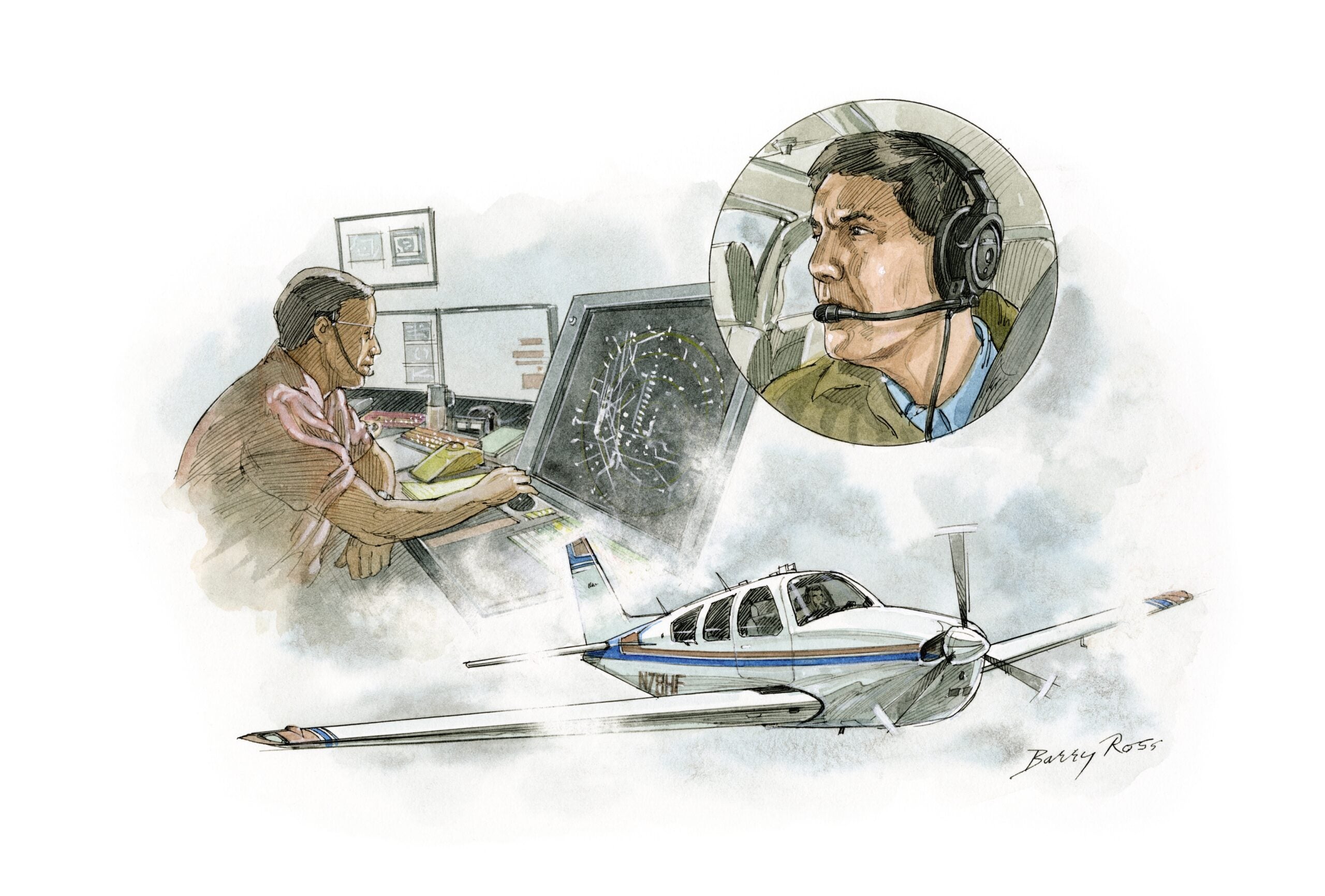
- A VFR pilot inadvertently entered Instrument Meteorological Conditions (IMC) during a flight, leading him to declare an emergency and rely on Air Traffic Control (ATC) for guidance.
- ATC provided calm and professional assistance, guiding the pilot to a safe Visual Flight Rules (VFR) airport, demonstrating their primary focus on safety during such incidents.
- The article emphasizes that pilots should not fear declaring emergencies as it's the correct and safest course of action, often resulting in helpful ATC assistance without disciplinary action or FAA paperwork.
Key takeaways sponsored by Aviator Pro | Start Your Training ->
See a mistake? Contact us.

