













Register

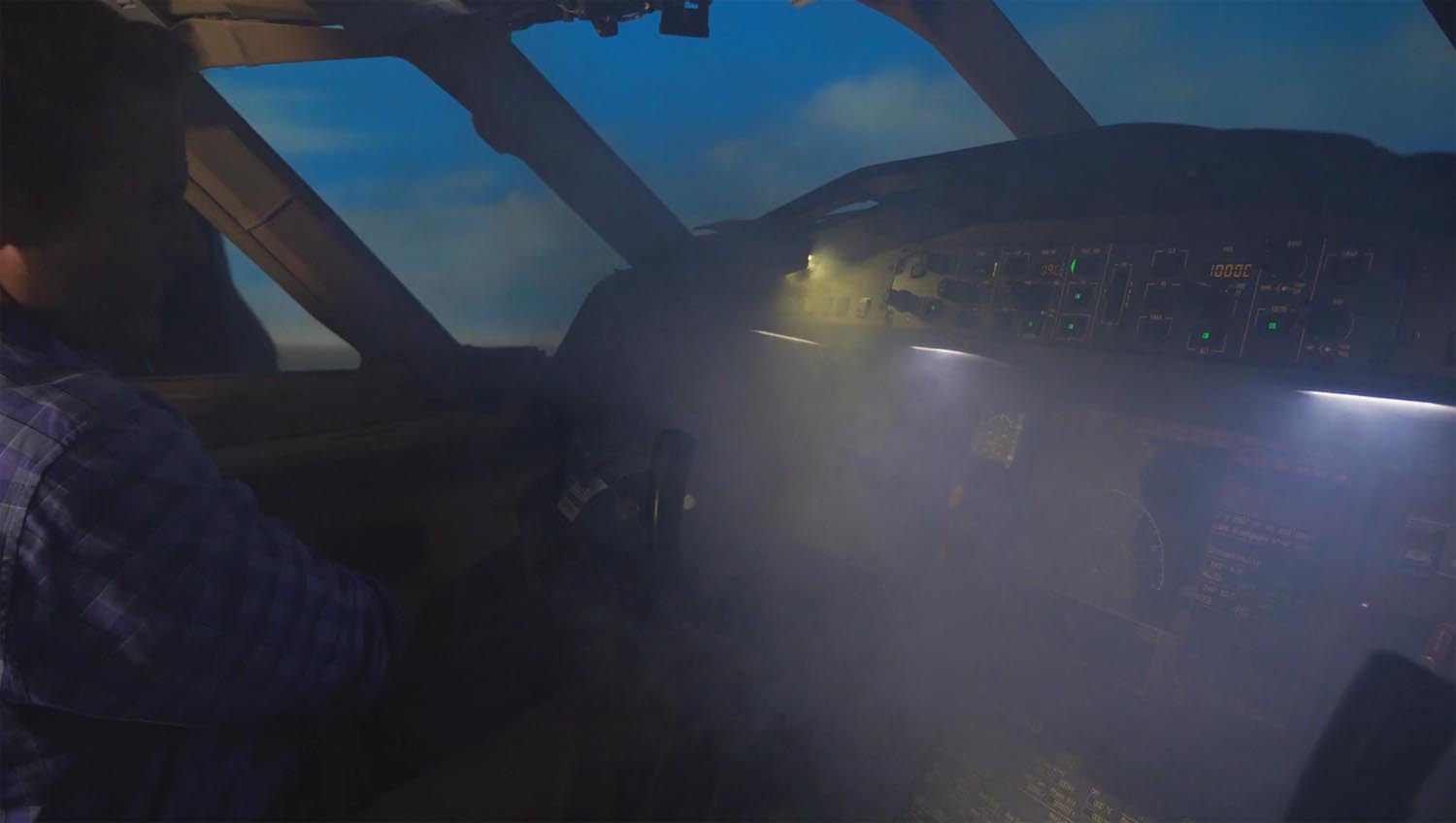
Smoke And Fumes

They can be a worst-case scenario but also create ambiguity, which may delay your reaction and introduce new threats.

Gemini Sparkle

Key Takeaways:

  • Smoke and fume events are insidious aviation emergencies, often caused by toxic fumes from sources like lubricants or carbon monoxide, which can subtly incapacitate flight crews through symptoms such as odors, dizziness, and disorientation.
  • Pilots must actively overcome the "expectation of normalcy" to quickly recognize unfamiliar odors, verifying with other occupants or immediately troubleshooting if alone, as timely recognition is critical before the situation escalates.
  • Common sources of these events include firewall-forward issues (engine, oil, fuel), exhaust system leaks, electrical malfunctions, and faulty cabin conditioning systems; mitigation involves shutting off airflow and systems, along with carrying essential safety equipment like fire extinguishers and CO detectors.
  • Effective emergency response requires immediate actions such as using oxygen, isolating the known or suspected source, ensuring fresh air, and prioritizing a rapid diversion to the nearest suitable landing area, even while simultaneously working through established checklists.
See a mistake? Contact us.

If you have been following aviation news for the last, say, 20 years, you have probably read a thing or two about smoke and fume events. What is so insidious about these events is that their prominent manifestation is a “dirty sock” odor, followed by dizziness, disorientation and an array of other symptoms. Before specific training was widely incorporated, by the time the flight crews realized something wrong, the damage was done. Crews reported not remembering landings and a few pilots with acute exposure died.

The most common reason for these fume events is a lubricant ending up in the aircraft’s cabin pressurization system, distributing toxic fumes throughout the pressure vessel. While this specific failure is an unlikely occurrence in most general aviation aircraft, there are still lessons to be learned from dealing with situations like these. A common factor in these events is that, while the crew attempts to investigate the source of the smoke or fumes, the situation devolves. The smoke may turn into a full-fledged fire, or the fumes may be actively poisoning the aircraft’s occupants. Preventing the event is obviously the first choice, but once that barrier has been breached, crews need to recognize the warning signs and respond according to their training.


Ready to Sell Your Aircraft?

List your airplane on AircraftForSale.com and reach qualified buyers.

List Your Aircraft
AircraftForSale Logo | FLYING Logo
Pilot in aircraft
Sign-up for newsletters & special offers!

Get the latest stories & special offers delivered directly to your inbox.

SUBSCRIBE