Register

Search Results for: maintaining your airplane

Pilot Proficiency

Prevailance Aerospace Turns Training Upside-down

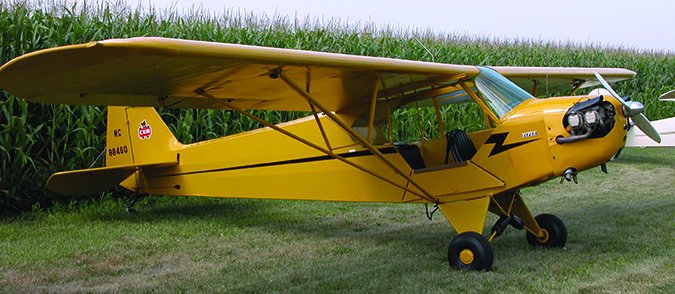
“Keep it in tight.” These words, sometimes uttered by frazzled tower controllers working busy traffic patterns, should set off a pilot’s internal master caution alarm. Loss of control is now the No. 1 killer in general aviation and a high safety priority on the radar screens of both the National Transportation Safety Board and the […]
Read More »
Accident Probes

50 Years a Pilot

As I write this, Im looking at my Wright Brothers Master Pilot Award sitting near the window sill. Its the most prestigious award the FAA issues to pilots, according to the agency, and eligibility for it requires a minimum of 50 years to elapse since a pilots first solo flight. I originally dismissed this award as an overblown creation of the FAA or, worse, an old geezers award for longevity. I finally decided it would be a great bookend for a lifetime of flying, or a beginning of the next chapter. For those of you out there with 50 continuous years of flying without accident, incident or violation-or if you know someone who meets the minimum requirements-you can find details of the award and how to apply on the FAA website.

Read More »
Accident Probes

Bottom of the White

When transitioning between Earth and sky and back again, we fly at the lower end of the controlled-flight regime-as Goldilocks might say, Not too fast, not too slow, but just right. Pilots departing generally spend less time in the bottom range of their aircrafts airspeed envelope than during arrivals and approaches. Departing, we accelerate into the takeoff roll, lift off and, still accelerating, climb. Arrivals are the opposite. We descend and slow to approach speed, enter the pattern, and decelerate even more when sliding down the final.

Read More »
Technique

Aircraft Cockpit Proficiency

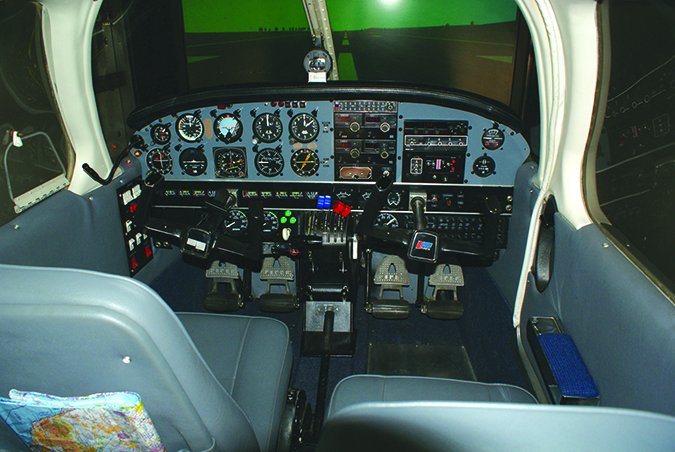
In the age of satellite navigation, electronic instrumentation and multi-function displays with moving maps, each aircraft is different. Just because you can fly an Avidyne Integra-equipped Cirrus doesnt mean you can jump into a Perspective (a.k.a. Garmin G1000) Cirrus. Or, for that matter, even an old steam-gauge Piper. Now we need proficiency not just on an instrument scan and IFR procedures, but on the installed devices as well.

Read More »
Pilot Proficiency

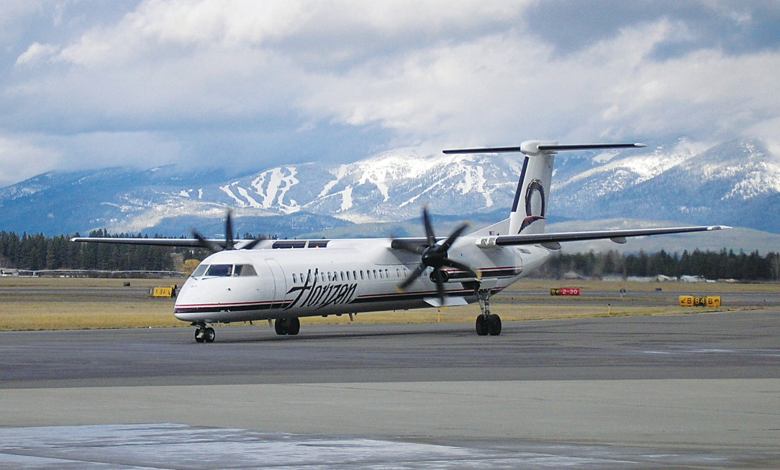
Taking Wing: Three Years at Horizon Air

As the Boeing 737 descends through 25,000 feet, we break through a thin overcast layer over the Columbia River and a stunning Cascades panorama appears before our eyes. It’s an unusually clear day for early spring, and from my jumpseat perch there are incredible views from Glacier Peak all the way south to the Three […]

Read More »
Aircraft

Commemorative Air Force Brings Aviation History to Life

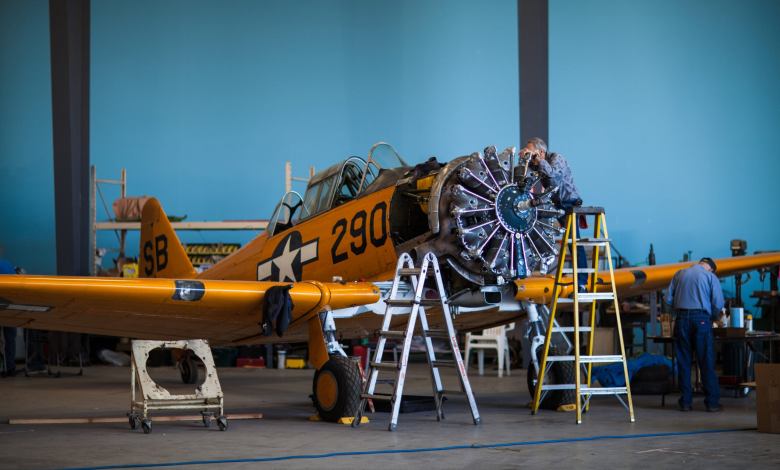
Drivers, motorcyclists, bikers and pedestrians craned their heads to the skies as military trainers, combat fighters, bombers and reconnaissance aircraft made their way over the city in a series of formations, commemorating the 70th anniversary of V-E Day (victory in Europe). World War II was a special era in the history of aviation, the likes […]

Read More »
Pilot Proficiency

Jumpseat: A Tale of Flying Legacies, Part 2

One of the most valued intrinsic benefits to having contributed to this publication for almost 15 years has been the opportunity to interact with some special and unique people. Individuals that were the subject matter of this column have remained a fond and integral part of my writing. On most occasions, we part ways with […]

Read More »
Instrument Flying

Severe-Clear IFR?

After earning my instrument rating, I took my CFIIs advice to heart and have filed IFR religiously on virtually every flight since my checkride eight years ago. I do it because I noticed that I am more tuned up for IFR flight than I am when flying VFR. My preflight planning is more thorough and my cockpit is more organized.

Read More »
Features

Turn Fundamentals

Arguably the most challenging of all the Wright Brothers multiple successes involved mastering roll control. Pitch and yaw came relatively easy, but absent the ability to command a roll for a coordinated turn, aviation could go nowhere-at least nowhere near the intended heading. Their solution-wing warping-allowed for affirmative roll control and completed their mastery over all three axes.

Read More »
System

Certification Using ACS

After years of living with a multitude of imperfections in the process of certifying airmen, in September 2011 the FAA decided to act. Now nearly five years later, a totally revamped system called Airman Certification Standards (ACS) is planned to take effect on June 15, 2016, starting with Private Pilot and Instrument Airplane certification.

Read More »
Pilot in aircraft
Sign-up for newsletters & special offers!

Get the latest stories & special offers delivered directly to your inbox.

SUBSCRIBE