Register

Search Results for: maintaining your airplane

Pilot Proficiency

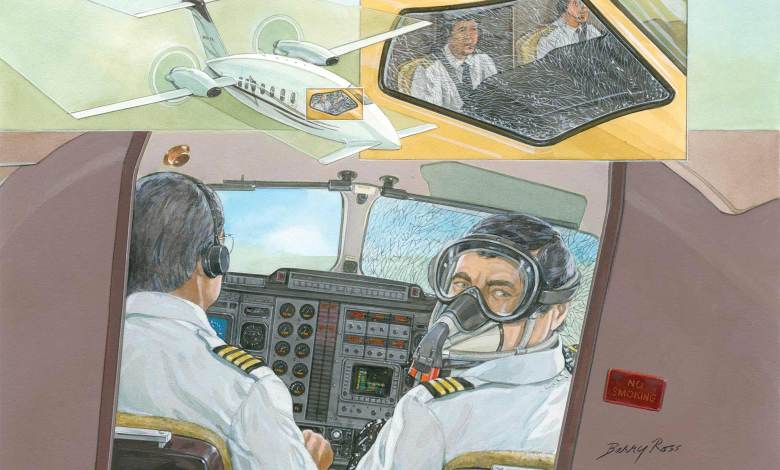
Is Airline Flying for Me?

The sun is shining and the fish are calling, but it’s online catch-up day on Windbird. We spent the past week at beautiful, isolated Conception Island, Bahamas: No people, no internet — it was heaven on earth. The news headlines that greeted Dawn and me upon our return made us wish we’d stayed a little […]

Read More »
Accident Probes

Low-Viz Takeoffs

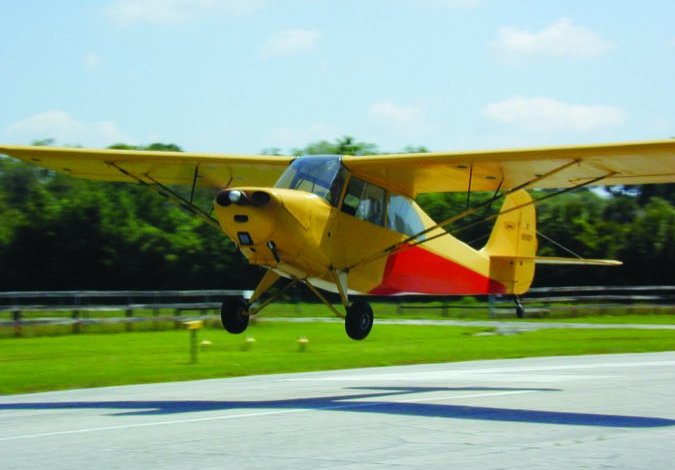
Last December 24th, a Cessna 340 crashed at Bartow, Fla., during an attempted predawn, IMC departure. All five aboard the airplane died. We dont know yet what factors, if any, beside the weather may have contributed to this Christmas Eve tragedy. Regardless, the circumstances should remind us of the extra planning and skill needed for a departure into low IMC, day or night-even if everything is going right.

Read More »
Accident Probes

Minimizing The Risk Of Engine Failure

Almost from the beginning of our training, pilots are taught how to react to an engine failure. Before that, though, were also taught how to conduct a preflight inspection to ensure the engine (and the rest of the aircraft) is ready for what we are planning. Thats as it should be, since mechanical failures are a major component of overall accident causes, right after the pilot making a mistake. The good news is that the typical piston engine in a personal aircraft is much more reliable than it was a few years ago. The bad news is those reliability improvements often result in pilots giving little thought to piston engine aircraft reliability because failures have become so rare.

Read More »
Aircraft Analysis

Just Go Around

Its a moment you probably wont forget. After your instructor handed back your signed logbook and reached for the cockpit door, he or she reminded you, If anything about the landing doesnt look right, just go around.

Read More »
Features

Which Airspeed?

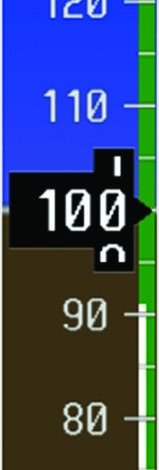
One of the most important bits of information pilots can glean from our instrument panels is airspeed. Its used on takeoff to gauge when to apply backpressure for liftoff, its used when landing to ensure were neither too slow or too fast, and we use it in cruise to help verify performance (and establish bragging rights). Depending on the airplane and the days mission, we may also use it to ensure were at or below an appropriate speed before penetrating turbulence or conducting various maneuvers.

Read More »
Features

The Two-Pilot Problem

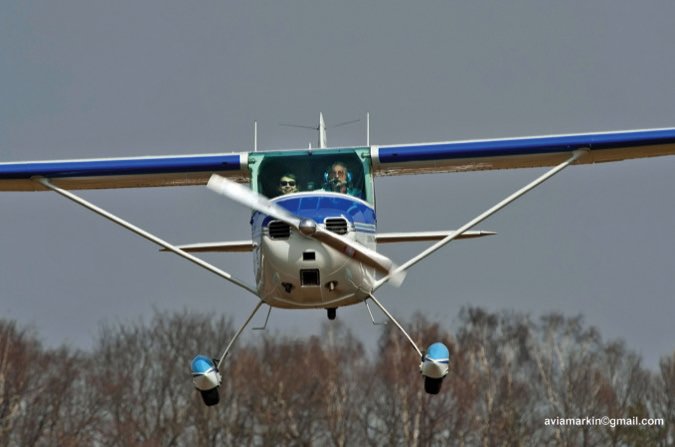
Problems arise when both pilots are trying to fly the same airplane at the same time. The result often can be no one is flying. Thats when hijinks ensue and both pilots become passengers. While the FARs make it clear there can be only one pilot in command, the reality is we often split duties while airborne with two. It usually works out, but clear delineation of responsibilities is a must.

Read More »
I.L.A.F.F.T

I Learned about Flying from That: Close Call

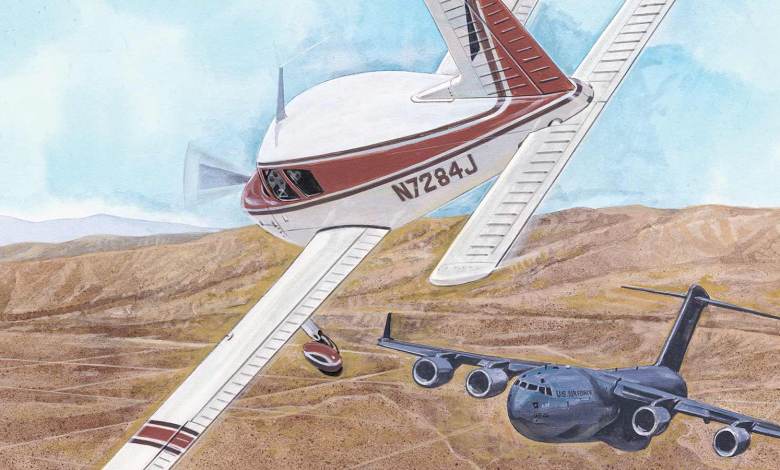
When I earned my private ticket in 1960, jet aircraft were still rather rare, even in the San Fernando Valley. My home field, Whiteman Air Park in Pacoima, California, was near Van Nuys and Lockheed airports, both of which were busy commercial fields. The local landing and departing traffic was mainly at piston-engine airspeeds, which […]

Read More »
Avionics and Gear

Ice and Flying Dont Mix

More than once Ive been accused of needing to get a life. Im not sure what theyre talking about, but in my spare time I do enjoy reviewing various aviation publications, including accident reports and incident summaries.

Read More »
Accident Probes

The Risks of Routine

One of the great joys of flying is a routine flight. Im not referring to a flight that went as expected, which undeniably is the greatest joy, Im talking about flying a routine route. If you hop in your plane on a Saturday afternoon to fly to your favorite $100 hamburger location and get a respite from your weekday worries, or a cargo pilot plying a daily route, you probably know the pleasure I am talking about. Pilots who fly routine flights can feel at one with their aircraft, heightening their sensitivity to any little deviation, like unusual engine noises or subtle performance changes with different loads.

Read More »
Pilot in aircraft
Sign-up for newsletters & special offers!

Get the latest stories & special offers delivered directly to your inbox.

SUBSCRIBE