Register

Search Results for: general aviation inc

Features

Air-Cooled Engines

The engines powering the vast majority of personal airplanes are air-cooled. This means they dont have a radiator and a liquid-based system like most automobiles we might drive to the airport. Yes, piston powerplants like those in the Rotax line, as well as many diesel engines designed for aircraft, are liquid cooled. But these more modern designs are in a distinct minority. In fact, besides the metallurgy, the basic configuration of aircraft piston engines has changed little since before World War II: Flat, horizontally opposed or radial designs from that era predominate.
Read More »
Features

Which IFR Emergencies Should We Practice?

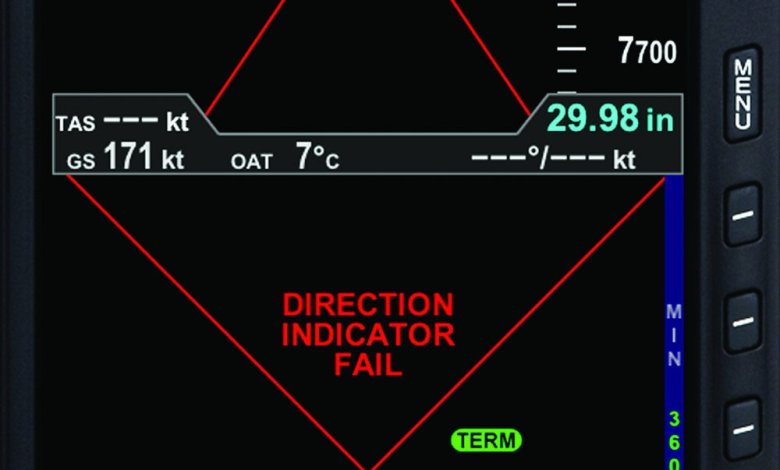
By the time someone is sent for the instrument check ride, he or she is expected to know the emergency procedures in the appropriate POH as well as how to deal with failures affecting the airplanes ability to fly in IMC. A cross-section of the bad news stuff is discussed during the oral portion of the practical test and demonstrated in flight. But whats a little frightening is that the IFR check ride often marks the high point of an instrument pilots ability to deal with an emergency.

Read More »
Features

Flaps or Gear First?

Depending on what youre flying, its manufacturer may have placed specific go-around recommendations in the POH/AFM. If so, its always a good idea to follow them and conform to the listed sequence of actions. Going around can be a busy time, and scrounging around for the balked-landing checklist is a no-no. You should have the appropriate sequence of actions memorized from your previous landing-practice sessions. …

Read More »
Airmanship

Snow on the Runway

Snow that has persisted on the ground for a long time will form crusted layers from wind packing, melting and refreezing. Often the base layer and areas between the crusted layers are hollow. This happens when lighter, fluffy snow consolidates into more dense grain structures. These larger grains, referred to as depth hoar, result from water vapor depositing or desublimating onto existing snow crystals. Granular depth hoar acts like a layer of ball bearings beneath the sheet of frozen crust. Backcountry skiers know this is the stuff avalanches are made of. For pilots, the crusts have a similar catastrophic effect of catching gear or skis resulting in airplanes getting stuck, or worse, getting flipped.

Read More »
Airmanship

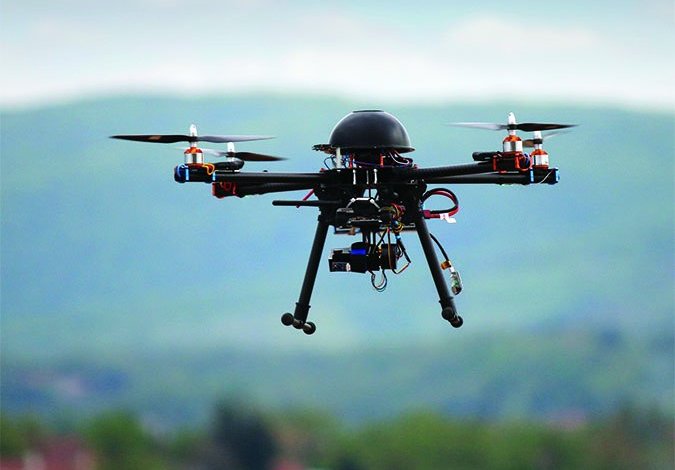
Pilot Bill of Rights, Control Riding and Dealing with Drones

The Air Line Pilots Association (ALPA) on June 23, 2015, wrote U.S. Senators saying it is fundamentally opposed to the dangerous policy shift proposed by the Pilots Bill of Rights II (PBOR2). Reader Martin Brookes writes that every instructor he has flown with couldnt resist adding their control input on landing via subtle, unannounced control inputs to help the student. This is an unfortunately common practice, sometimes called control riding. While its easy to bash the FAA efforts to regulate drones, its important to note Congress in 2012 told the agency to come up with a regulatory scheme allowing UAS operations in the national airspace.

Read More »
Accident Probes

Aircraft Engine Oil Checks

This months accident easily could have resulted from perhaps the most insidious preflight challenges: interruptions. Being interrupted in the middle of, say, refueling or checking the engine oil can have severe consequences. The trick for me always has been to start over after the interruption is resolved. If this means leaving passengers in the FBO lobby until Im ready, or missing a clearance void time, so be it. If it means answers to a passengers questions must be postponed, thats okay, too. Interruptions during a preflight inspection are insidious because they allow us to consider a task complete when it isnt. Well never know if an interruption during the preflight inspection helped cause this months accident, but its as good an explanation as any.

Read More »
Aircraft

2015 Flying Editors’ Choice Awards

Each year, we at Flying select a small handful of products, companies or organizations that have had a positive impact on general aviation during the previous year. It’s the stamp of approval pilots look for when shopping for avionics, making aircraft-purchase decisions, or trying to separate merely good products from great ones. But it’s more […]

Read More »
I.L.A.F.F.T

I Learned About Flying From That: Land-Out at Kitt Peak

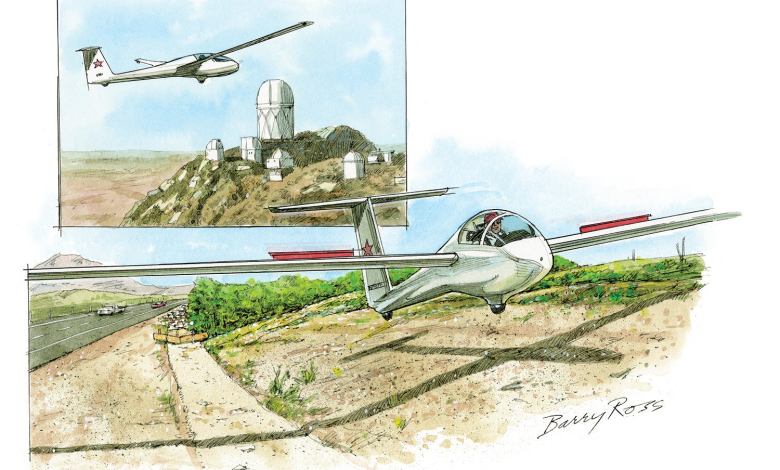
I know you’ve heard the saying “Superior pilots use their superior judgment to avoid situations requiring their superior skills.” And I’m sure you know some superior pilots or have them at your field. Steely-eyed, square-jawed types — their flying skills are immense; with or without their planes they can bound over tall buildings. When I’m struggling […]

Read More »
Pilot Proficiency

Flying to the Bahamas’ Out Islands: Pilots in Paradise

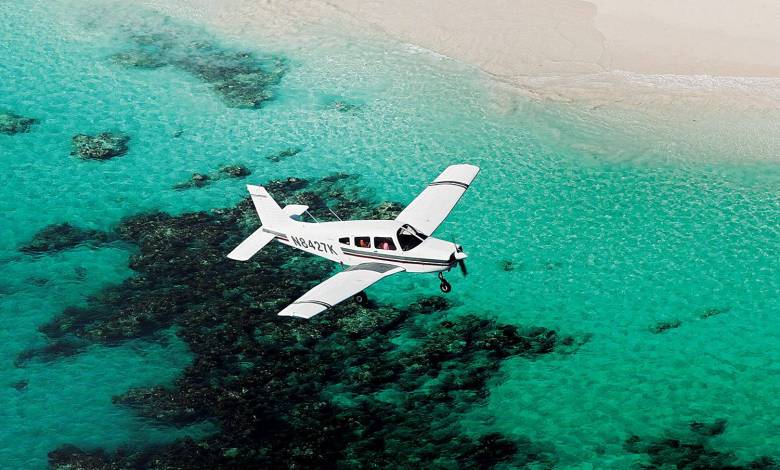
I’m not proud to say it, but last winter got the best of this northern aviator. The face-numbing cold and monochromatic gloom wore at me until I just couldn’t take it anymore. The breaking point came on a brutally raw January morning as I attempted to preheat and start my Piper Pacer after it sat […]

Read More »
Training and Proficiency

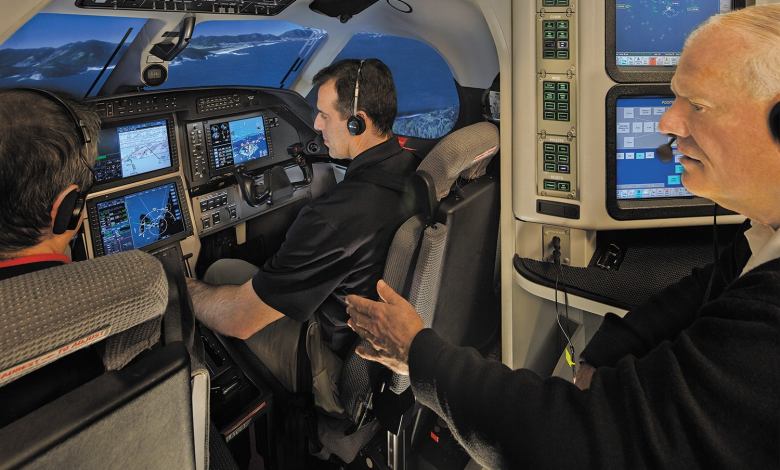
Transitioning to Turboprops

It was a beautiful day. Light winds. Clear skies. Towering, snowcapped Rocky Mountain peaks surrounded the 9,000-foot runway at Eagle, Colorado, from which I was about to depart. I was at the controls of a Pilatus PC-12, a sizable single-engine turboprop built to carry thousands of pounds of people or gear. Today we were light. […]

Read More »
Pilot in aircraft
Sign-up for newsletters & special offers!

Get the latest stories & special offers delivered directly to your inbox.

SUBSCRIBE