Register

Search Results for: Lear 45

Features

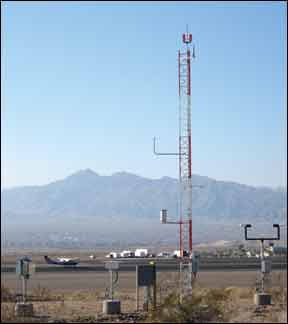
Automating Weather

Properly managing risk is essential to successfully pursuing life’s more exciting adventures. Activities such as scuba diving, downhill skiing, motorcycling, mountaineering and, of course, flying, all entail elements of risk which we must consider and manage if the thrills we seek are to be experienced more than once. But risk management often is poorly understood: While most people believe themselves to be prudent, the reality is large risks are often ignored and minor dangers grossly exaggerated. In general aviation, our inability to assess risk properly is evidenced by the number of weather-related accidents consistently gracing NTSB logs, even in the face of widely available near-real-time meteorological data on the ground and in the cockpit.
Read More »
Accident Probes

Zero-Zero Departure

Part 91 operators have a lot of flexibility in their operations not available to commercial flights conducted under Parts 135 or 121. Whenever persons or property is being carried for compensation, different rules apply. One of them involves minimum weather requirements for takeoff under IFR. The non-commercial Part 91 operator, however, has no such restrictions. We can blast off into any weather conditions we want without needing to meet a visibility minimum or having an alternate airport nearby in case of a problem developing shortly after takeoff. With that flexibility, of course, comes some responsibilities.

Read More »
Features

Five Reasons Your Landings Suck

Landings are typically the pilot’s biggest challenge, presenting great frustration when we screw them up even as recognition of doing it right is as rare as $2.00/gallon avgas. Apparently, the act of returning to terra firma is one we simply can’t seem to master consistently. One of the reasons is each day’s conditions are different from the previous flights, and applying what we remember from them—if anything—won’t always work. Another reason is the pilot may not have enough experience to know how to gauge conditions and modify the pattern and approach to compensate for today’s conditions.

Read More »
Pilot Proficiency

Biofuel Future

It wasn’t many years ago that the idea of using biofuels for flight was dismissed out of hand as a utopian fantasy. The conventional wisdom said we’d never be able to produce enough aviation biofuel to make a difference, and even if we could it wouldn’t matter — biomass-sourced fuel would wreak havoc on the […]

Read More »
Gear

Traffic! Traffic!

(January 2012) Sitting in the darkened area control center in Zurich, Switzerland, the air traffic controller on duty could scarcely believe what he was seeing on his radar screen: Somehow, two airliners in his sector cruising at precisely the same flight level were just miles apart on a collision course over southern Germany. Keying his […]

Read More »
Pilot Proficiency

Going Direct: HUD vs. Combined Vision

(January 2012) The question that was being debated around the halls of NBAA 2011 the other week was about as technical and geeky as it gets: When flying a very low approach, lower even than a decision height of 200 feet, where is the proper place for your “head,” that is, your eyes and your […]

Read More »
Pilot Proficiency

An Airline Pilot’s Day of Drama

(January 2012) After I had introduced myself to Eric, the number one flight attendant for our Miami turnaround from JFK, he reluctantly conveyed some of the more annoying events from the same trip a day earlier. I told Eric that the copilot and I were commuters and that our primary purpose was to end the […]

Read More »
News

TBM 700 Crash in New Jersey Kills Five

Icing has been identified as a possible factor in the crash of a Socata TBM 700 in New Jersey on Tuesday, although the NTSB has not confirmed what role, if any, weather conditions may have played in the fatal accident. All five people on board the single-engine turboprop were killed on Tuesday morning when the […]

Read More »
Features

Big Blows

One complication with which we pilots must always contend is wind. It can complicate a takeoff or landing, force heading changes while en route, mandate a fuel stop when stronger than forecast and make an otherwise smooth ride uncomfortable when blowing over uneven terrain. Learning to deal with the wind is one of the major lessons of primary training, yet the accident record demonstrates many of us still haven’t mastered the challenge.

Read More »
Pilot in aircraft
Sign-up for newsletters & special offers!

Get the latest stories & special offers delivered directly to your inbox.

SUBSCRIBE