Register

Search Results for: Lear 45

Pilot Proficiency

Gear Up: Unexpected Turnaround

“OK, Dick, we’re gonna have you drop the plane off in Orange County.” It is Kevin in mission control (known most places as “ops”) on the phone. What? Like I’m dropping some shirts off at the dry cleaners? The day had been long enough as it was, given that I had planned to be home […]

Read More »
Accident Probes

Anticipating Engine Failure

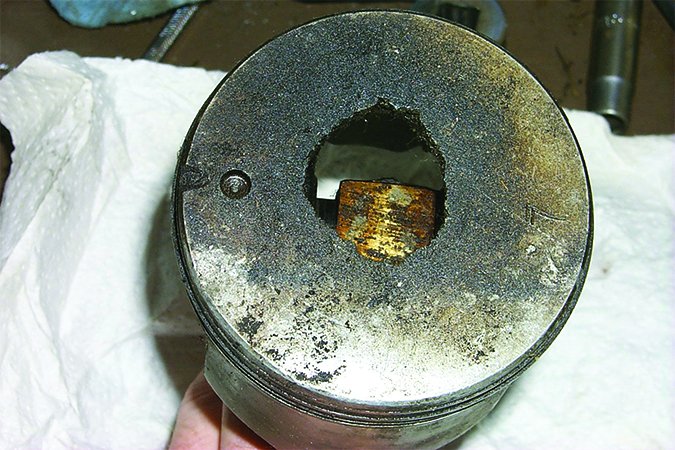
Failure of a single-engine aircrafts lone powerplant is something students train for beginning with their first instructional flight. If they continue to certification, theyve studied the basics of how engines work, the air, fuel and ignition source they need to keep working, and at least some understanding of the signs theyre about to stop. Most trainers lack the kind of sophisticated engine instrumentation that technology has brought us over the last couple of decades, so many students still fly behind gauges the basic design of which can be traced back to pre-WWII automobiles.

Read More »
Accident Probes

Eichhorn’s Flight Around the World

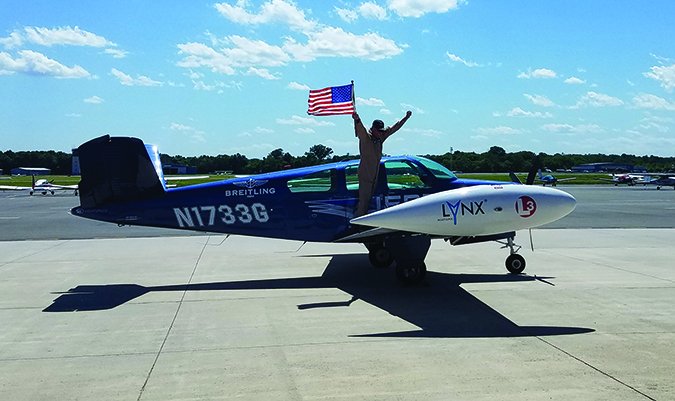
Somewhere back in the typical GA pilots mind is the idea of flying a personal airplane over long distances. Maybe across a continent, maybe an ocean. Or around the world. Part of the idea is visiting distant destinations and seeing foreign lands from the perspective only a personal airplane can offer. Another part of it is the challenge, which can be substantial; part of it is bragging rights; part of it is just because you can. However common the idea of flying around the world may be, the typical GA pilot rarely follows through. Whether due to time constraints, finances, lack of a suitable airplane or other responsibilities, the obstacles are just too daunting for the typical GA pilot.


Read More »
Training & Sims

Flight Traffic Displays

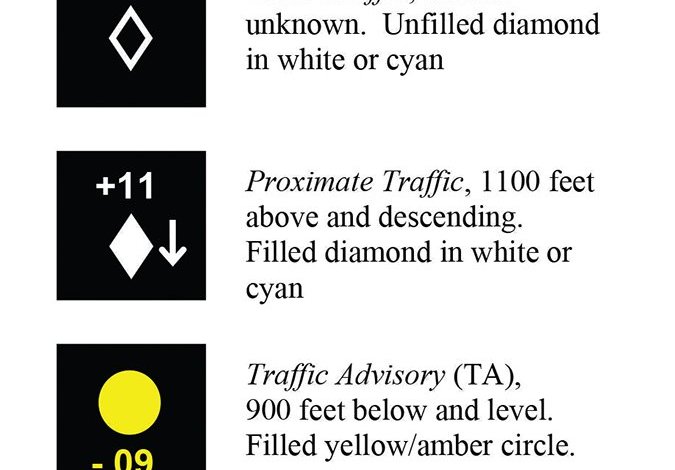
Marginally effective, see-and-avoid is based on the big sky theory; the sky is big and airplanes are small so the chances of running into each other are minimal. Our vision limitations in an airplane combined with massive blind spots foreshadow disaster. In 2014, pilots reported 163 near mid-air collisions. Most involved GA. Who knows how many occurred without either pilot realizing?

Read More »
Pilot Proficiency

High-Altitude Flying: What You Need to Know

The pilots of a Learjet 36 cruising high over Cleveland Center’s airspace are fighting a desperate battle for survival — but they don’t realize it. Suffering the effects of extreme hypoxia in the thin air at 32,000 feet, the copilot is passed out. The captain in the left seat is barely hanging on. Most chilling […]

Read More »
Aircraft

We Fly: Honda Aircraft HA-420

When Honda Aircraft Company announced it had received FAA type certification for the HA-420 HondaJet on December 9, the company’s president and CEO, Michimasa Fujino, described the document as “the crystal of sweat and tears.” The sign-off was the culmination of decades of hard work. Fujino became involved in Honda’s aircraft program in 1986. The […]

Read More »
Pilot Proficiency

Unusual Attitudes: In the Beginning …

In the beginning — well, the beginning of my airplane love affair — you could get your medical/student pilot certificate from the doctor if you were 16 years old, warm, breathing, had most of your important appendages and $30, preferably in cash. For some fledgling aviators, that’s as far as it went — which is […]

Read More »
Pilot Proficiency

Aftermath: Scud Run

The pilot, 65, had 33,000 hours. He had retired six years earlier as a 777 captain after a 36-year career in airline flying. He was a CFI-I and ATP 
with ratings in a slew of Boeing and Lockheed types, and was an air-frame and power-plant mechanic to boot. He and some family members had flown […]

Read More »
Accident Probes

NTSB Reports: July 2016

The airplane was destroyed at 1456 Eastern time shortly after takeoff. The flight instructor, the private pilot receiving instruction and the pilot-rated passenger were seriously injured. Visual conditions were reported. An air traffic controller who witnessed the accident reported that, when the airplane was at about 400-500 feet agl, it made a sharp right turn followed by a sharp left turn. It then entered a steep nose-down descent before disappearing behind a tree line. An explosion followed. The controller recalled the airplanes landing gear was retracted.

Read More »
Features

Course Reversals

The good news about this plan was the VOR/DME procedure we wanted to fly into Winter Haven used LAL as an initial approach fix. The middling news was we were doing this at 2700 feet msl, 700 feet above the minimum crossing altitude at LAL, to stay above KLALs Class D, which tops out at 2600. So Id need to carefully pull the plug after crossing LAL to ensure I could get down to the MDA before getting too close to the airport. But the hold at LAL coming off the miss at VDF had us going the opposite direction, and we were trying to do this on our own, using published procedures.

Read More »
Pilot in aircraft
Sign-up for newsletters & special offers!

Get the latest stories & special offers delivered directly to your inbox.

SUBSCRIBE