Register

Search Results for: Garmin G1000

System

Know Your Height AGL

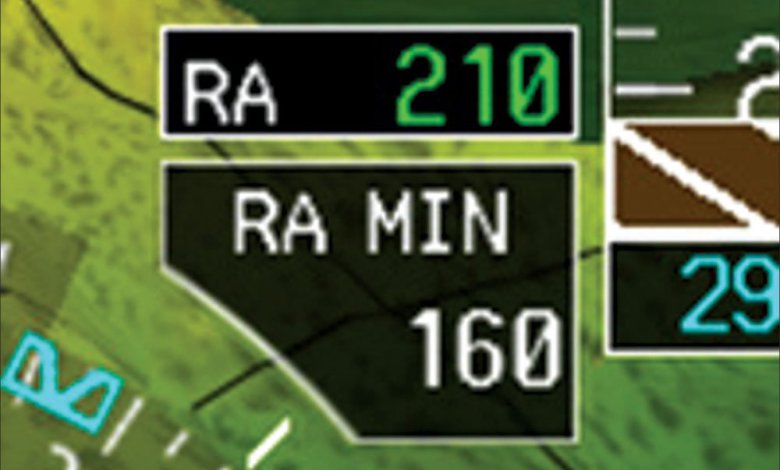
When I first started flying, the concept of altitude was confusing. For pilots the reference, of course, is this thing called mean sea level. But all I was interested in at first was my height above the ground-a measurement with some substance that made sense to me.
Read More »
Pilot Proficiency

Sky Kings: Technology and Risk

The “good ol’ days” of aviation often weren’t all that good. When I learned to fly instruments in 1970 in our Cherokee 140, we had a single navcom and no DME. Trying to determine my position by using cross-radials from nearby VORs often left my head, as well as the OBS, spinning. And in the […]

Read More »
Readback

Readback: June 2012

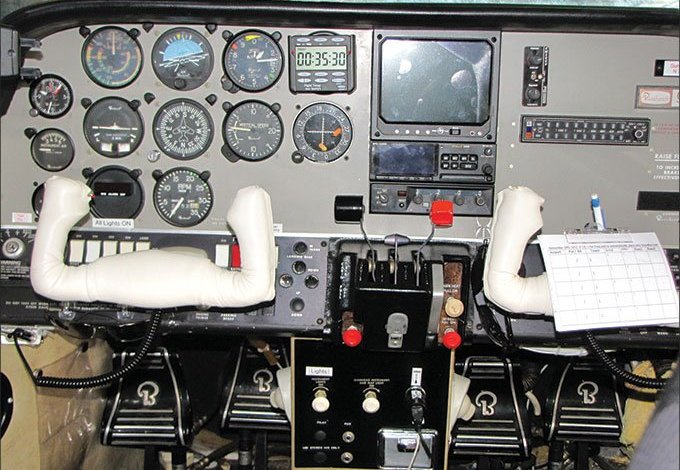
Steam (Gauge) PowerYour last editorial really resonated with me (“Black Ops for Black Boxes,” April 2012 IFR). I have been flying on and off for over 50 years, and almost always behind round gauges; sometimes not very many of them. When I bought my new Commander 114TC in 1999, I opted for what was then […]

Read More »
Uncategorized

Stalking the Elusive LP

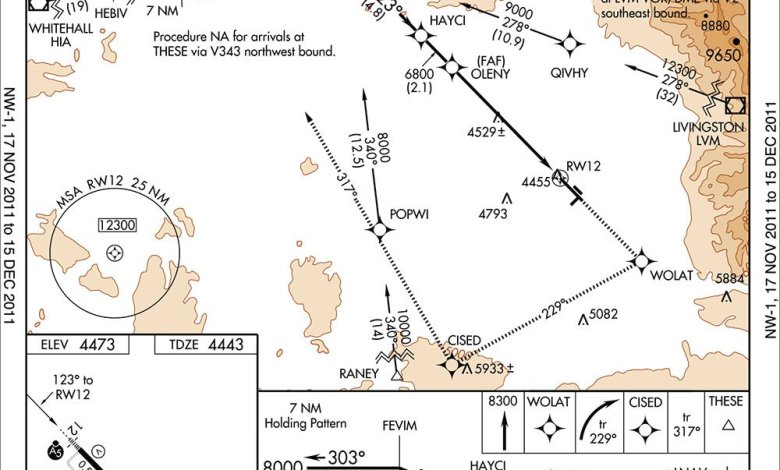
With the advent of WAAS, the FAA developed approaches that provided vertical guidance while offering the lateral accuracy that previously was only available with an ILS or localizer approach. It was named LPV for Localizer Performance with Vertical and now sports decision heights as low as 200 feet.

Read More »
Uncategorized

PT in the days of RNAV

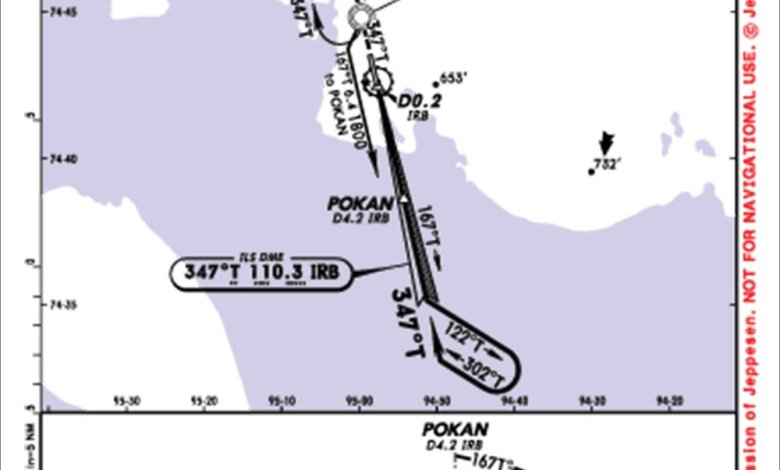
It used to be the procedure turn (PT) was the lynchpin of many an instrument approach. Youd track to the VOR or NDB station located on the airport, fly outbound, use a PT to reverse course, and fly back to the station on a specific course while descending to the specified minimum descent altitude. If you didnt visually acquire the airport, locating the missed approach point was a simple matter of identifying station passage.

Read More »
System

Automation Awry

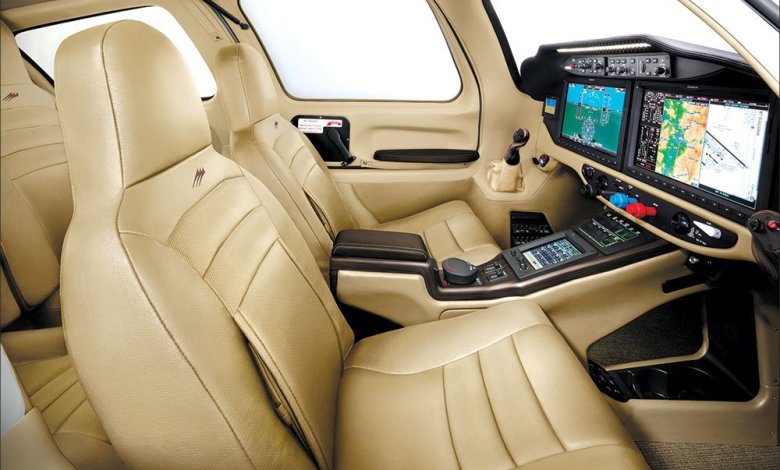
An increasing amount of instrument flying is done using technologically advanced airplanes and sophisticated avionics. Correct use of automation improves safety immensely by giving pilots the time to monitor systems, gather information, and plan ahead. But researchers have found that as a group we do not use automation effectively. Automation presents additional challenges. Over reliance […]

Read More »
Readback

Readback: March 2013

The Ol’ Switcheroo, V2In the October issue, “The Ol’ Switcheroo” letter and your response discuss flying an approach to one well served airport, then “hopping over” to another airport lacking sufficient approaches. Portland, Oregon is mentioned as one place that can work well. I want to caution you that the airspace around PDX all ends […]

Read More »
Charts & Plates

Varied TRSA Depictions

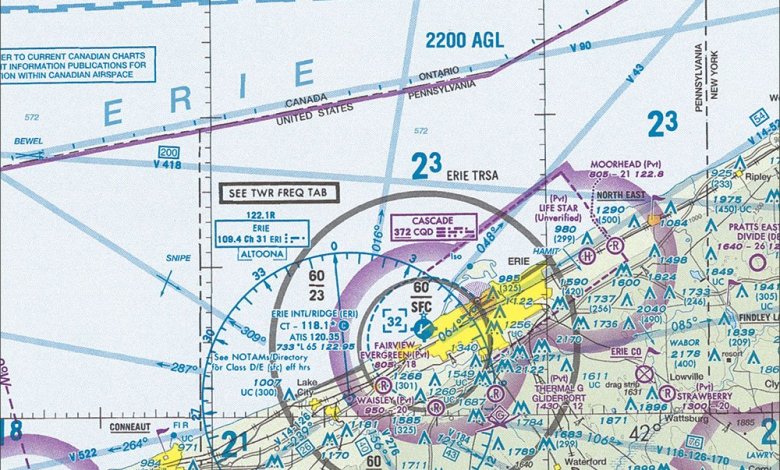
In-betweens are always tough, and have the potential for trouble. Flying some IFR practice in VFR conditions is a perfect example. Youre emulating one set of rules (IFR) but youre actually bound by another set (VFR). There are all sorts of potential traps here: maintaining cloud clearances, conflicting with traffic youd normally be separated from, and blundering into airspace without the required communication or permission.

Read More »
System

What you really need

We recently had a thought-provoking exchange of e-mails with Henry, a reader who asked a multipart question: What equipment does he need in his airplane for an instrument checkride? Afterward, what equipment does he reasonably need to fly it daily in the system? If an autopilot is installed, its use is expected during the test […]

Read More »
System

The GPS/ILS Approach

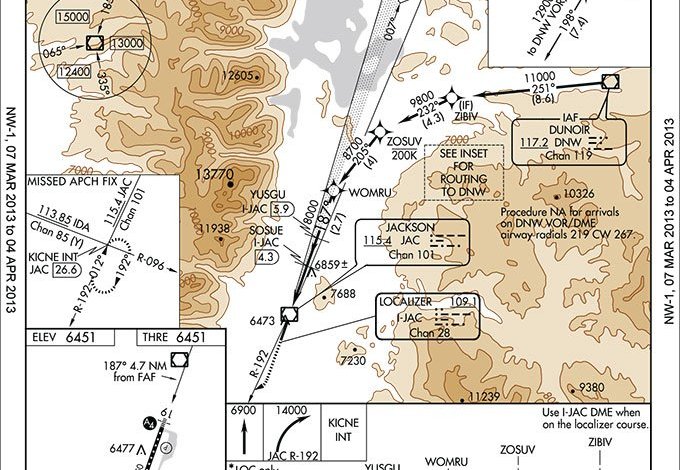
A flying friend of mine likes to say that you know you’re into something interesting when you have to sign a waiver beforehand. In the IFR world, I tend to think of approach procedures having an alphabetical suffix, such as RNAV (GPS) Z RWY 01, the same way. Whenever you see one of these, something […]

Read More »
Pilot in aircraft
Sign-up for newsletters & special offers!

Get the latest stories & special offers delivered directly to your inbox.

SUBSCRIBE