Weather

Garmin Debuts GWX 8000 Weather Radar

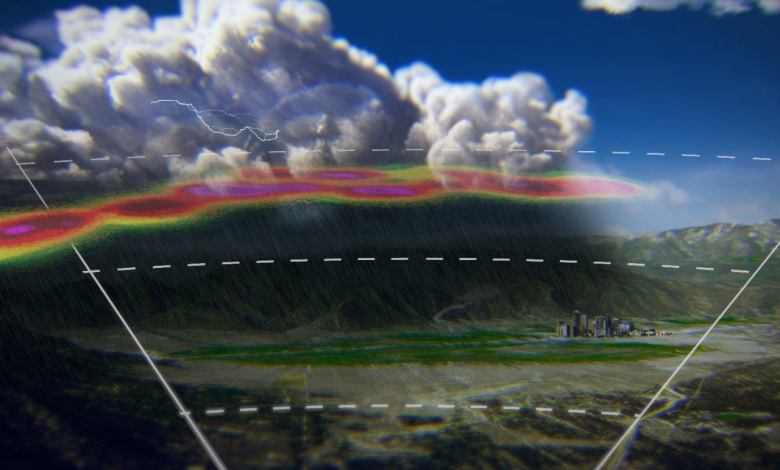
Garmin Aviation has debuted its latest weather radar system, the GWX 8000 StormOptix, with the aim to reduce pilot workload further during the demanding periods in flight when they must negotiate severe weather aloft. The system, which is directed first as a replacement unit for the radar systems integrated with the Garmin G5000 flight deck, […]

Read More »

How to Weather the Weather

Weather is one of the biggest variables in general aviation flight and a contributing cause of many accidents. While there is no way for us pilots to control the weather, we can modify our flight paths to prevent unplanned encounters with Mother Nature. Fortunately, doing so has become a lot easier in the past few […]

Read More »

ALL ABOUT MOISTURE

With summer approaching, we often think about those hot temperatures, high density altitudes, and storms. But another factor enters the picture: moisture. High relative humidity brings foggy mornings, and with soaring dewpoints comes the prospect for storms and rain. With moisture having such a profound impact on flight operations, it’s time to take a closer […]

Read More »

Dangerous Radar Data

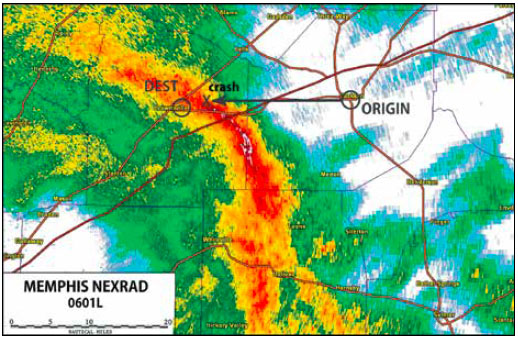
Another season of turbulent spring weather is just ahead, so it’s a good time to go over storm safety. We’ll do that once again by discussing a pertinent weather-related accident. Although at first glance the lessons might seem obvious, we’ll use this fateful ride-along to discuss some key concepts I’ve observed as a meteorologist, and […]

Read More »

TAF Dissected

The Terminal Aerodrome Forecast, TAF, is a staple of aviation weather, known to almost every pilot. During my own Air Force career, I composed hundreds of TAFs for pilots not too different from you. In this article we’ll take an inside look at this tool in a more readable format than you’re probably used to. […]

Read More »

Understanding Fronts

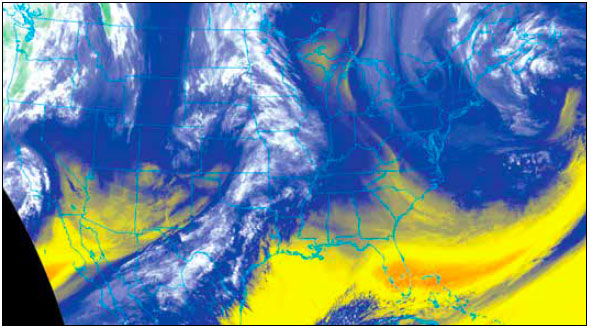
Often, the word “front” raises anxiety and apprehension in aviation meteorology. It carries the possibility of showers and thunderstorms, signals a change in the weather regime, and means the distinct possibility of a busted forecast. Thankfully there’s nothing to fear. Fronts are now well understood— computer models have become excellent at handling the underlying air masses […]

Read More »

Icing Revealed

Since the dawn of aviation, icing has emerged as one of the great hazards of flying. The 1994 American Eagle crash in Roselawn, Indiana, shows that this problem has dogged aviation well into the modern era and called the bluff of even trained and experienced pilots. Even in the 2000s, when numerical forecasting had become […]

Read More »

Autumn Weather

About the time this issue arrives, the U.S. will be heading toward the tail end of summer 2020. In just a matter of weeks the U.S. will begin its slow spiral into winter. While training material and aviation weather books are full of information about winter flying, along with its hazards like icing, CAT, and […]

Read More »

Upper-Level Weather

Unless your flying is limited to local sightseeing in good weather, chances are you’ve used winds aloft charts at some point. For many commercial and military pilots, they’re a staple of the preflight weather briefing, and they’re easily found on sites like aviationweather.gov.  These charts are constructed by weather centers at a series of designated […]

Read More »

You Could Fly a Cat II ILS

Category I ILS approaches, long our low-weather mainstay, offer us minimums as low as 200 feet above the touchdown zone with RVR 1800 feet or higher. That’s low, but as it develops, not as low as you can go. CAT II approach approval opens about 160 public CAT II approaches to GA, easing access to […]

Read More »
Pilot in aircraft
Sign-up for newsletters & special offers!

Get the latest stories & special offers delivered directly to your inbox.

SUBSCRIBE