













Register

Autumn Weather

Gemini Sparkle

Key Takeaways:

  • The fall transition season presents diverse and region-specific aviation weather hazards, often overlooked, requiring pilots to understand distinct meteorological patterns across the U.S.
  • Common fall hazards include widespread fog, stratus, and low ceilings, along with frontal systems bringing turbulence, thunderstorms, and icing, especially when fronts stall.
  • Region-specific threats include coastal marine layer invasions in the Southwest, lake-effect clouds and snow in the North Central and Northeast, and the significant risk of hurricanes and tropical storms in the Southeast.
See a mistake? Contact us.

About the time this issue arrives, the U.S. will be heading toward the tail end of summer 2020. In just a matter of weeks the U.S. will begin its slow spiral into winter. While training material and aviation weather books are full of information about winter flying, along with its hazards like icing, CAT, and visibility restrictions, what problems lurk during the transition season? These issues aren’t often discussed.

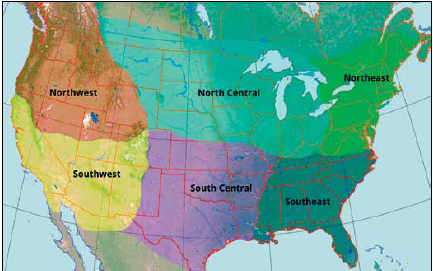
As an IFR reader, the odds are pretty good that your flying takes you into less-familiar parts of the country. A one-size-fits-all view of the weather just won’t work. It makes sense that we break things down by region, giving you a better understanding of the peculiarities of different regions. This is one article you might want for reference when you have a cross-country trip coming up.


Ready to Sell Your Aircraft?

List your airplane on AircraftForSale.com and reach qualified buyers.

List Your Aircraft
AircraftForSale Logo | FLYING Logo
Pilot in aircraft
Sign-up for newsletters & special offers!

Get the latest stories & special offers delivered directly to your inbox.

SUBSCRIBE