











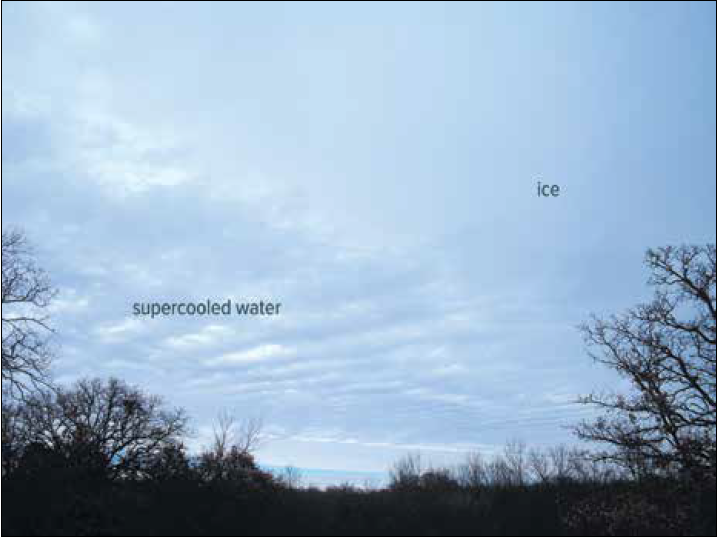


Since the dawn of aviation, icing has emerged as one of the great hazards of flying. The 1994 American Eagle crash in Roselawn, Indiana, shows that this problem has dogged aviation well into the modern era and called the bluff of even trained and experienced pilots. Even in the 2000s, when numerical forecasting had become a mature science, icing was forecast mostly by rule of thumb and experience. Only recently have numerical forecast models begun rising to the task of capturing this sometimes elusive phenomenon.
In the United States, icing is common in winter. But it’s not just a form of winter weather. It’s a global phenomenon that appears at all times of the year. Even in summer storms we find icing levels. We need only to go up high enough where it’s below freezing and there’s enough moisture. The 2009 crash of Air France A330, which disappeared into the sea near the equatorial Atlantic due to blocked pitot tubes and disorientation, is a prominent example of the unpredictable trouble icing can bring.

