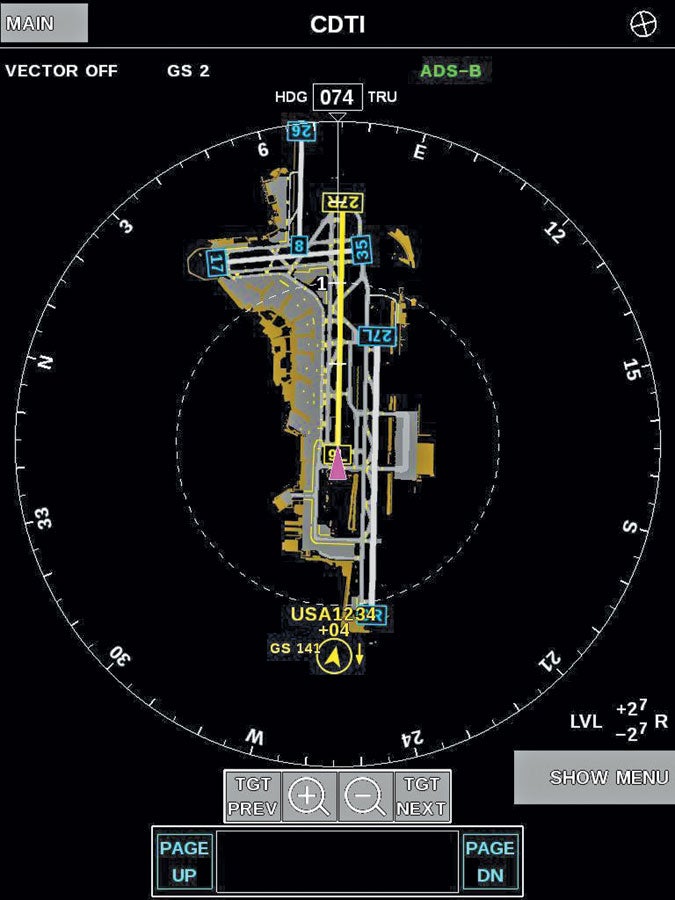
Collision-avoidance technology is advancing, with systems like ADS-B expanding traffic-alerting capabilities to the airport surface and providing pilots with a tactical view of nearby aircraft.
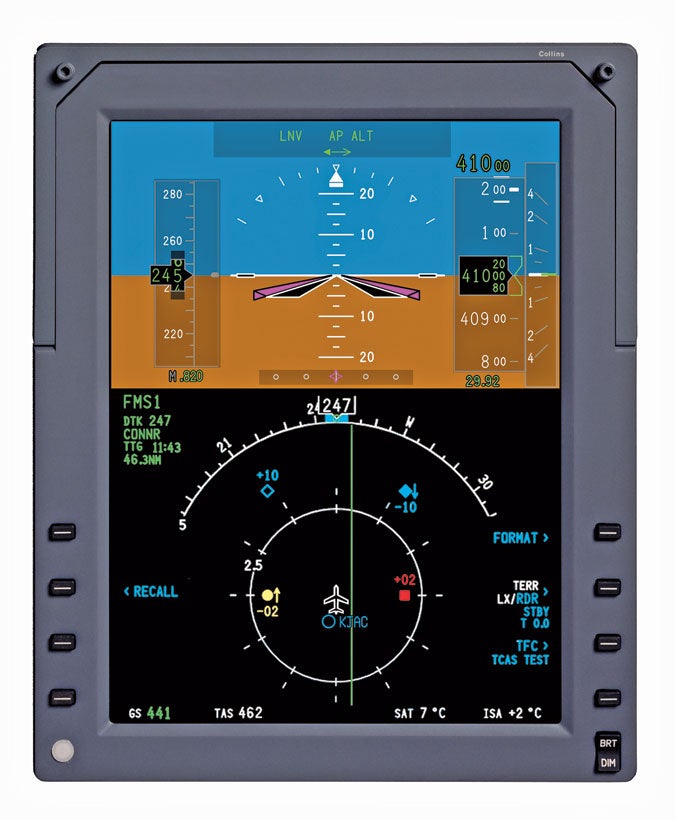
Modern traffic-alerting gear integrates various technologies, such as TCAS II with ADS-B "Out," to offer comprehensive collision protection.
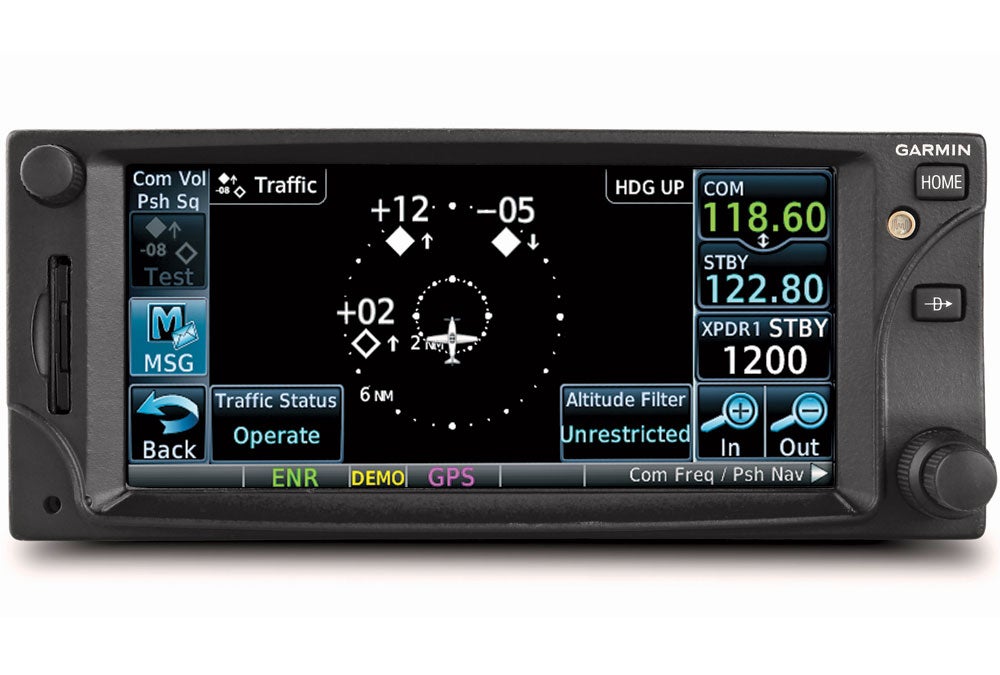
Traffic-alerting technologies (TIS, TAS, TCAS) use similar symbology to display targets based on relative bearing, distance, and altitude, with specific TAS products available for General Aviation aircraft.
A closer look at the latest in collision-avoidance technology.
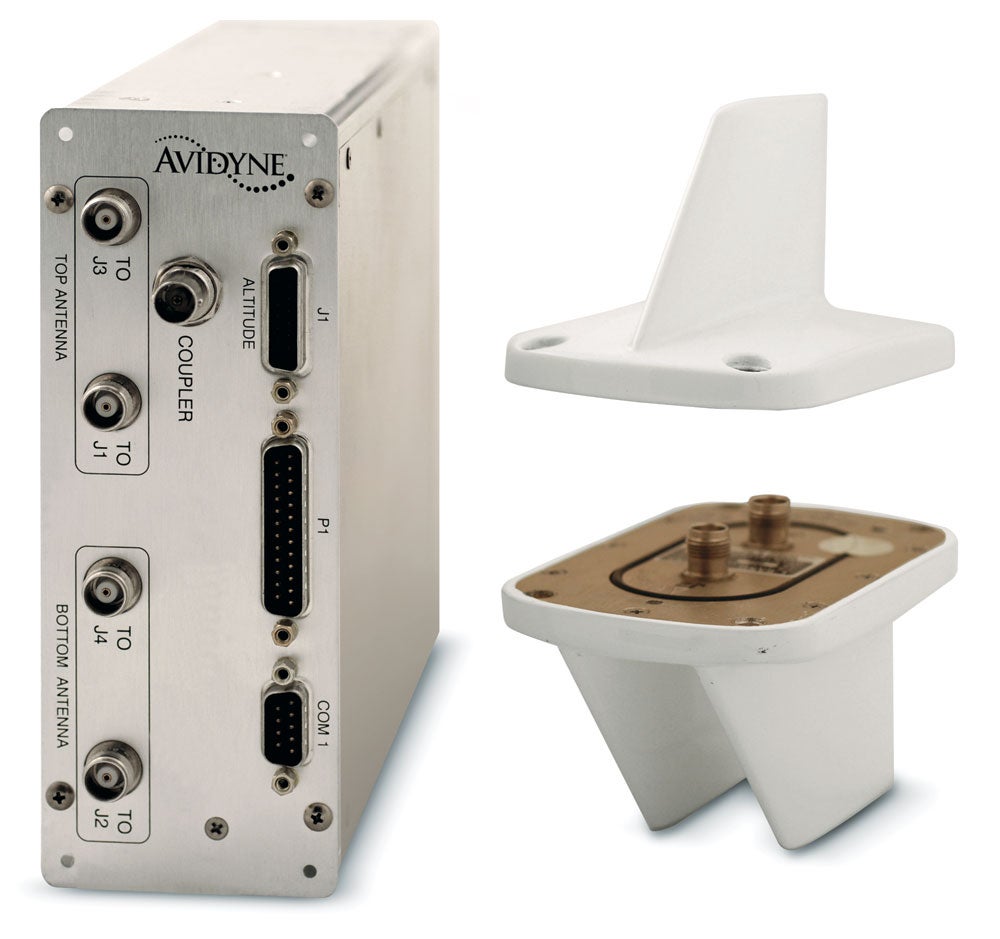
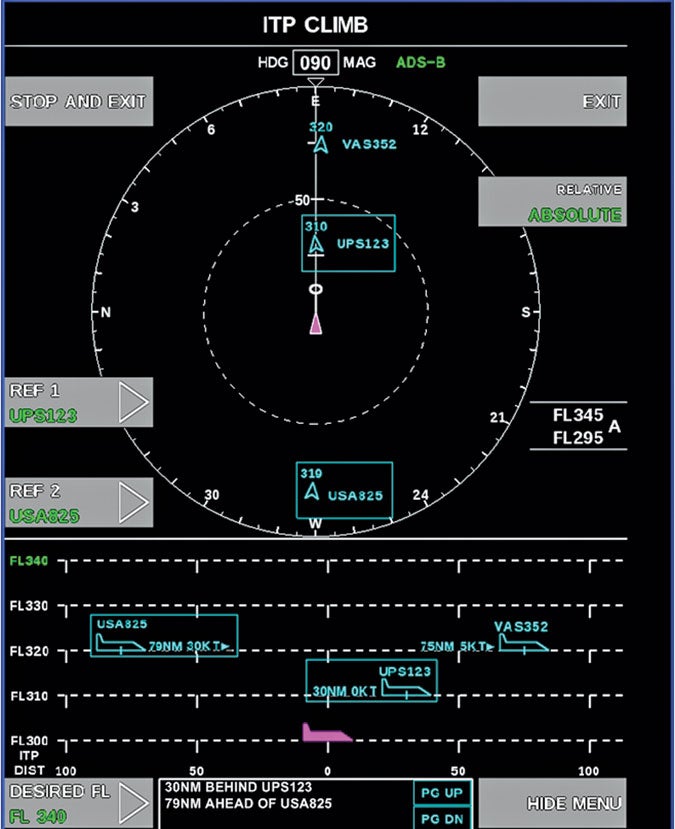
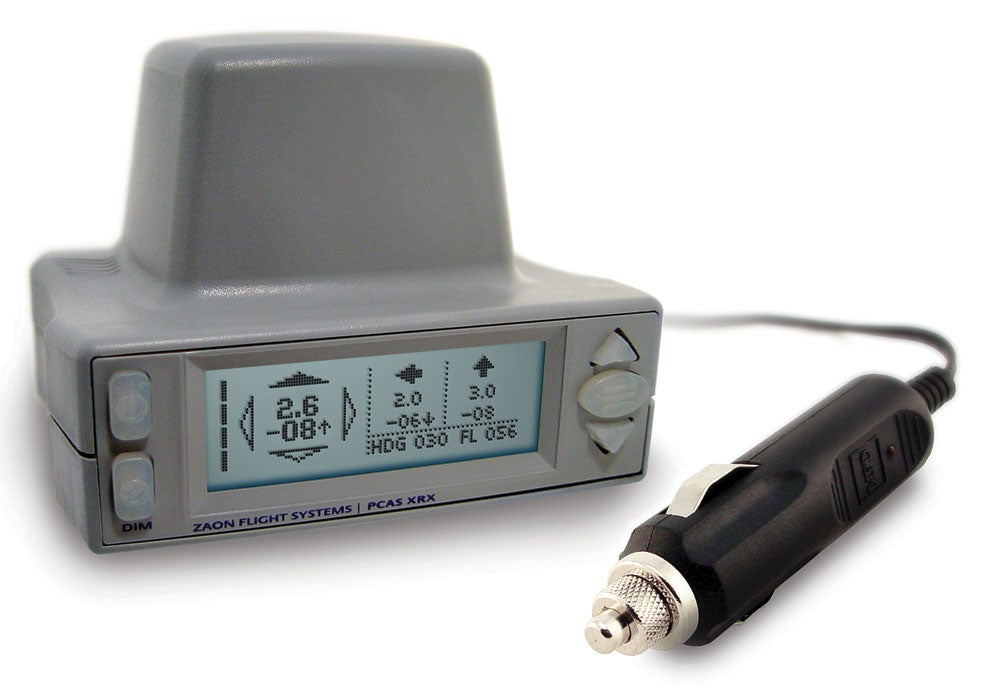
ADS-B is expanding traffic-alerting capability to the airport surface. Here, technology from ACSS highlights the departure runway and landing traffic in yellow.The latest traffic-alert gear from Rockwell Collins combines a dedicated TCAS II system with ADS-B “Out” technology for unparalled collision protection.Whether you fly with TIS, TAS or TCAS, traffic-alerting technologies use similar symbology, displaying targets based on relative bearing, distance and altitude.TAS products for GA aircraft sell for between $8,500 and $22,000. Avidyne’s technology uses antennas that mount to the top and bottom of the fuselage.One of the key benefits of ADS-B is in giving pilots a tactical view of nearby traffic. UPS is using the technology to fly more airplanes into its busy Louisville hub.Zaon’s PCAS XRX collision-avoidance device
CREATE A FREE ACCOUNT
Sign up to keep reading
Create a free account to continue. Already a member? Sign in below.















 |
|
