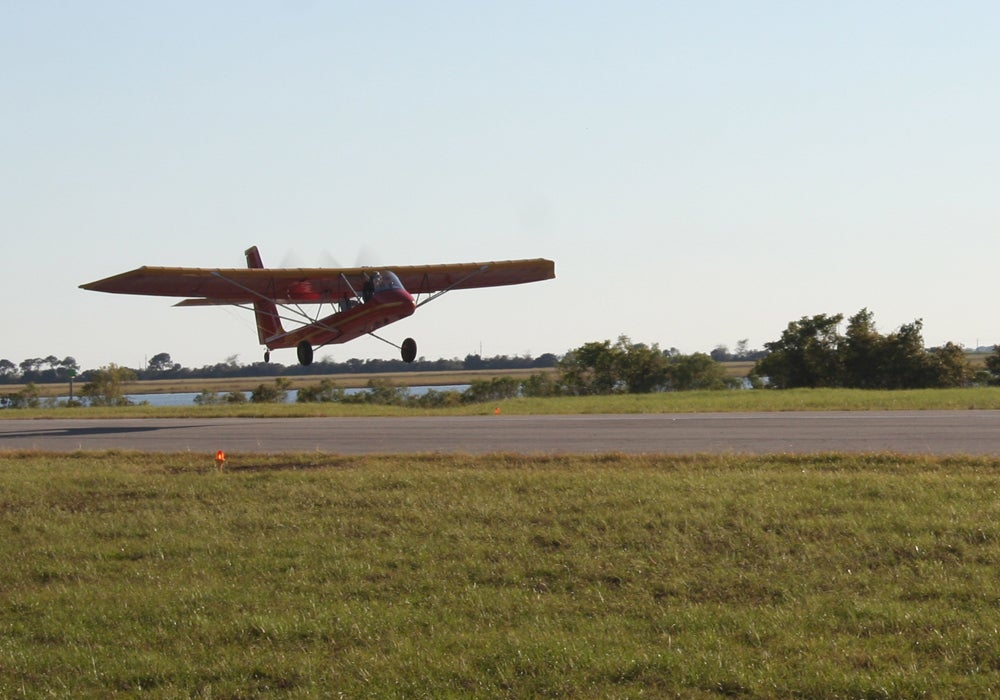
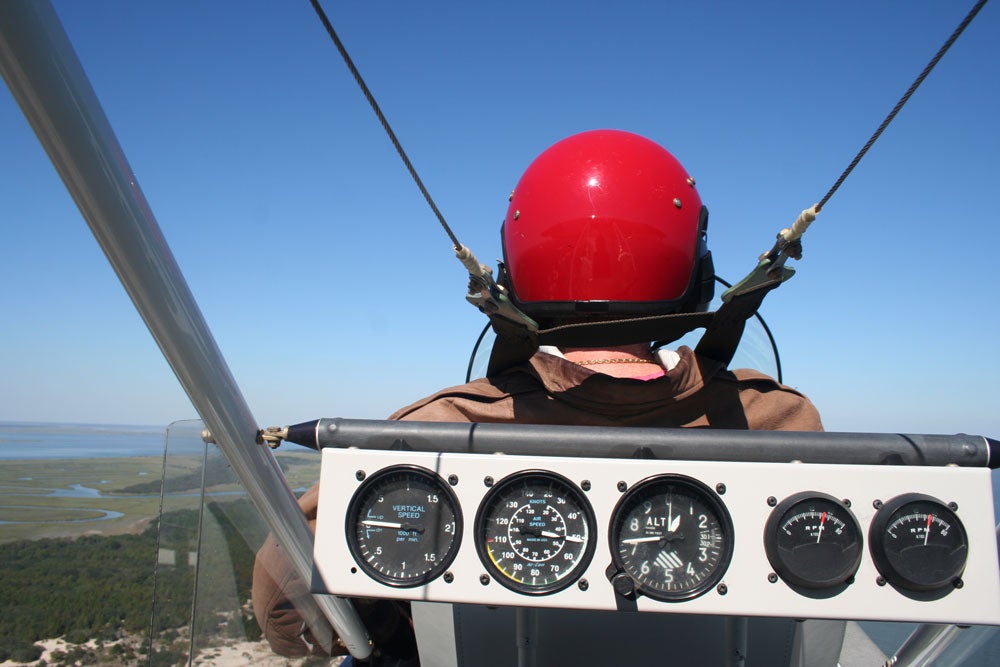
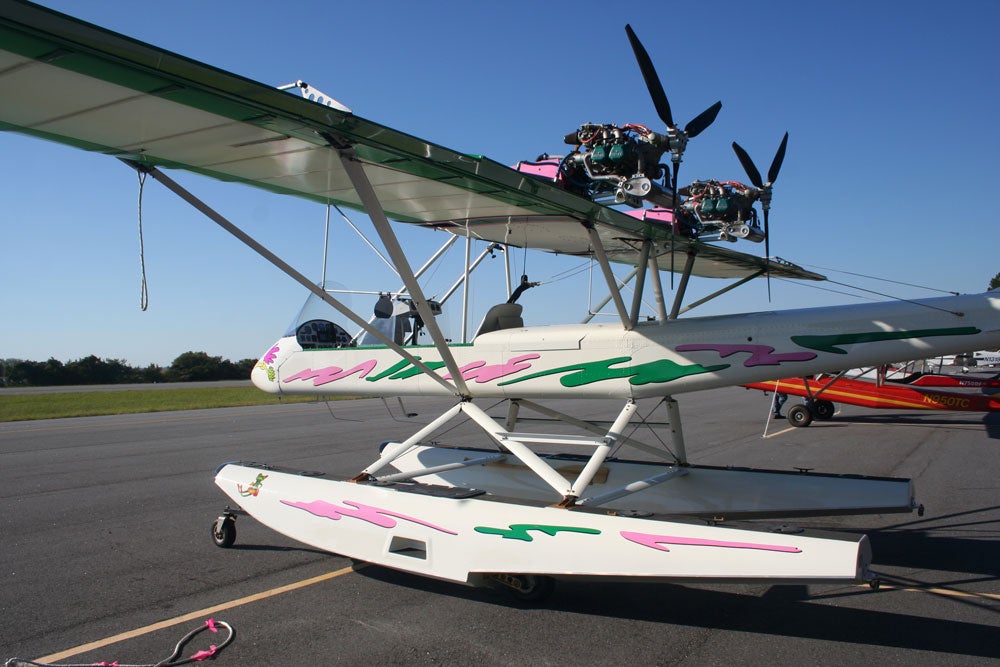
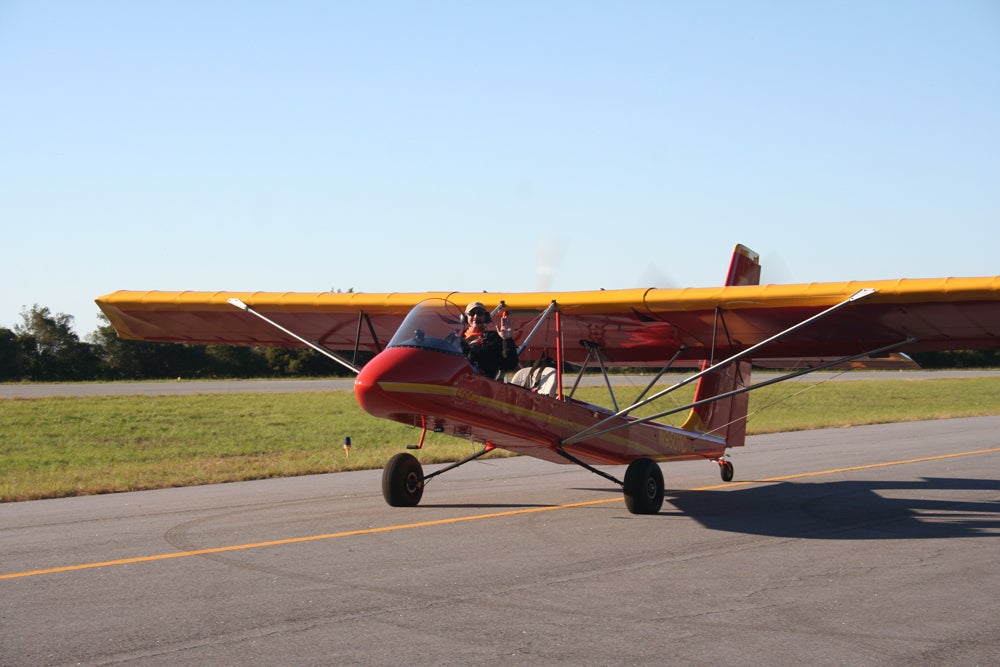
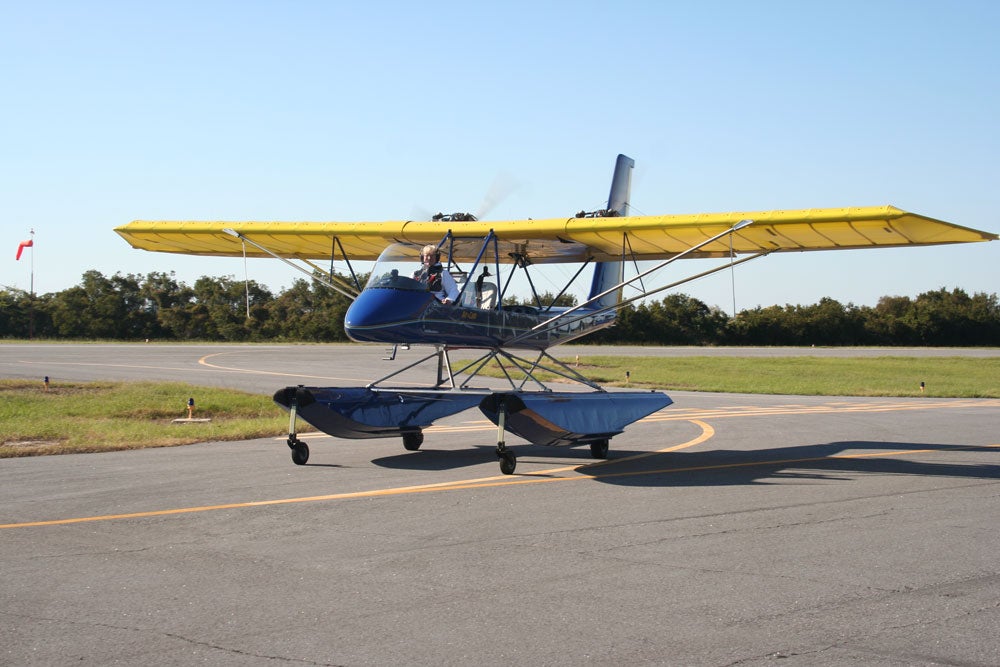
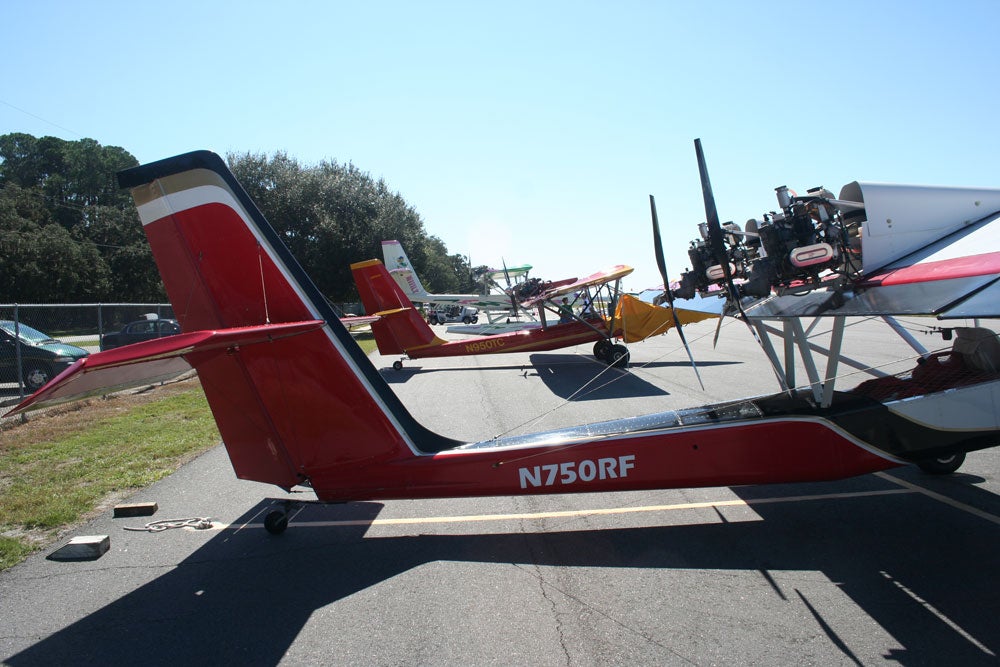
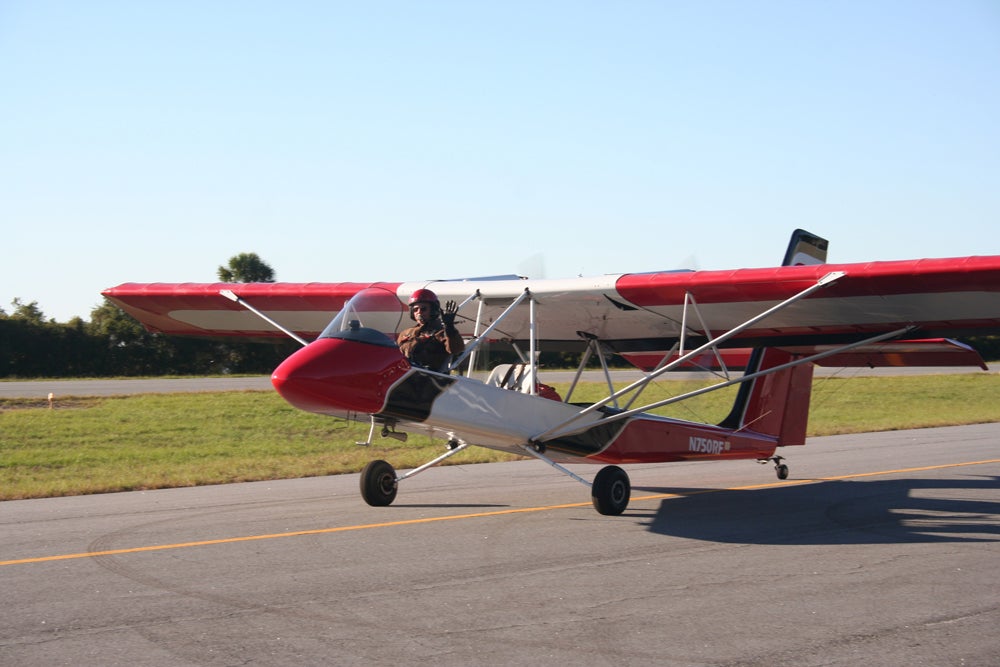
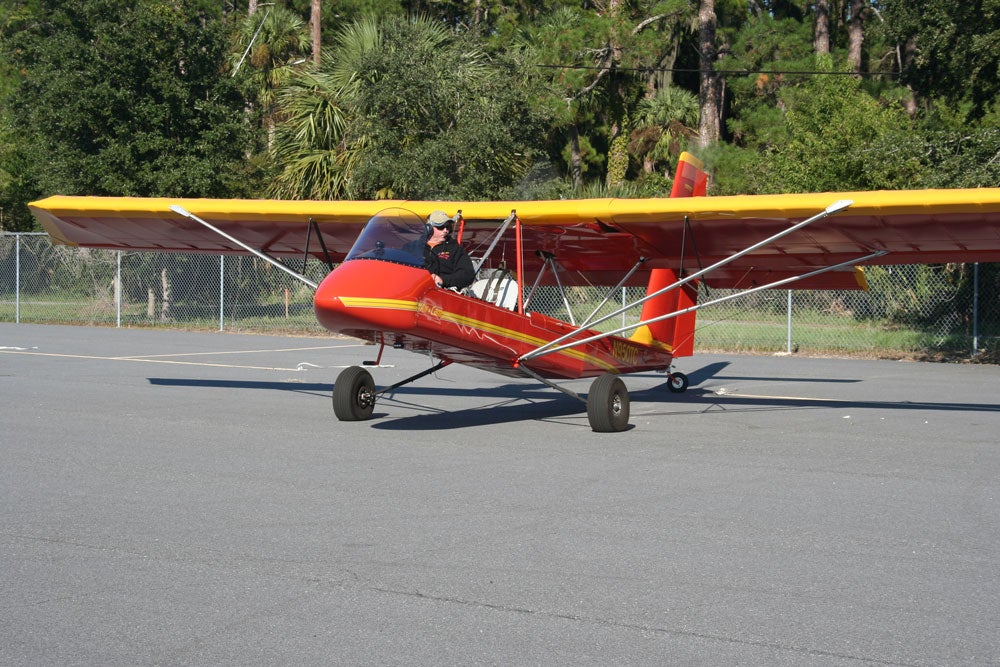
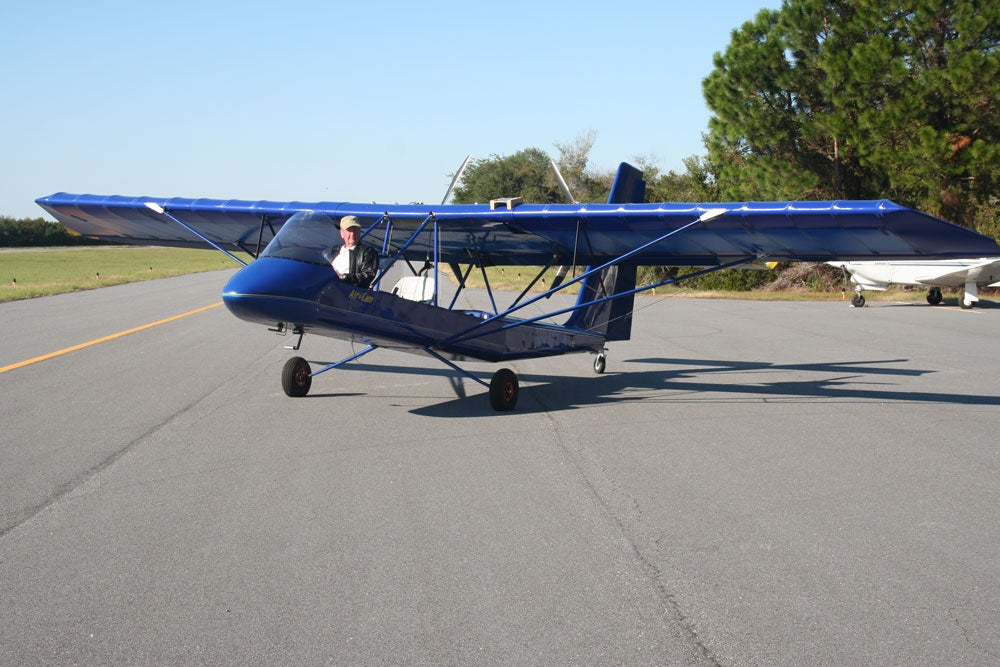
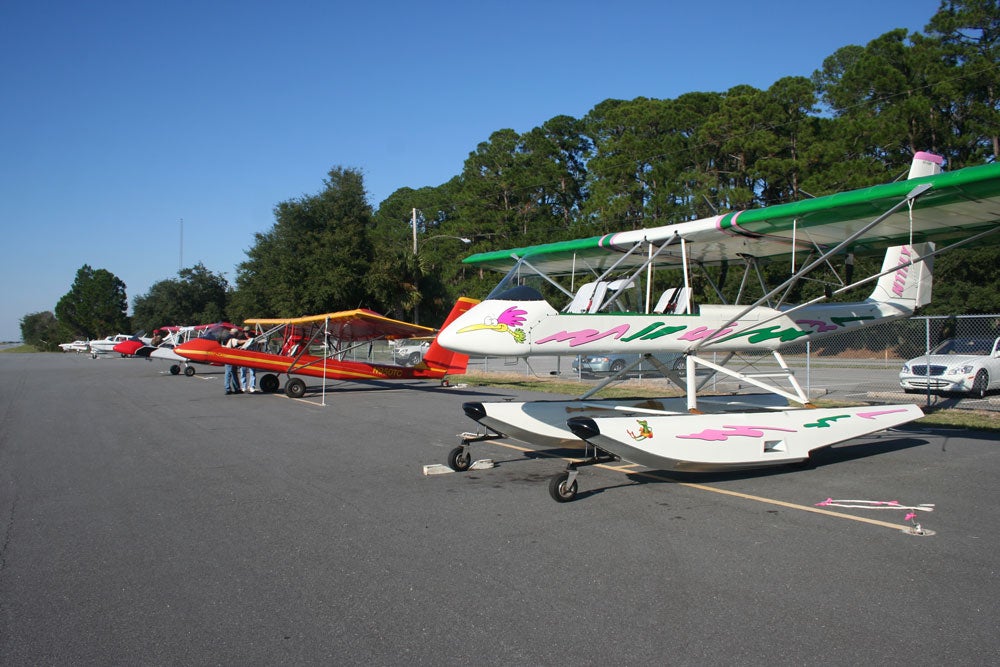
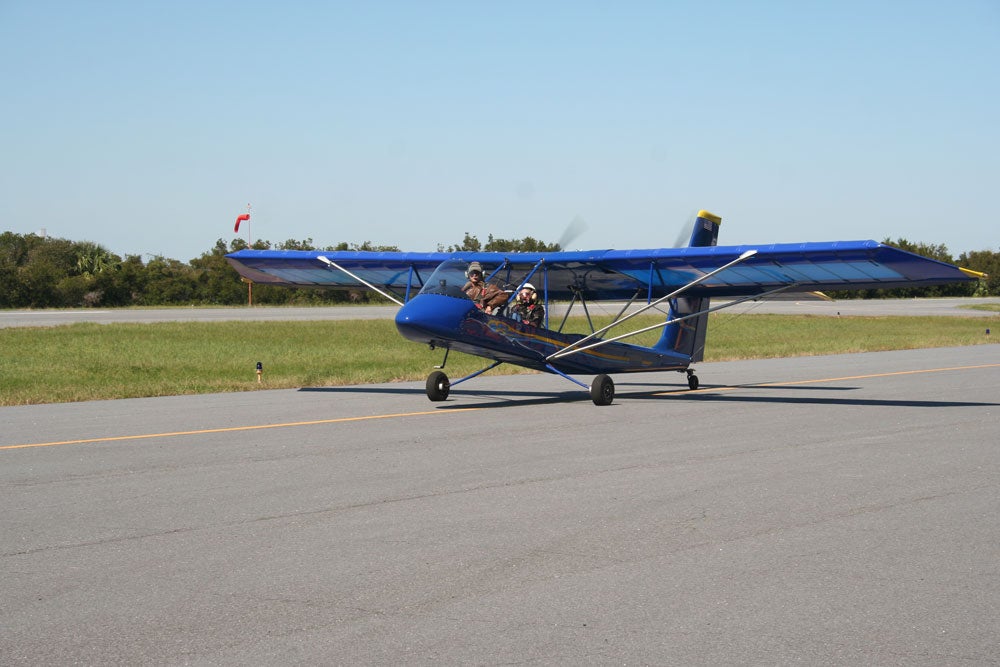
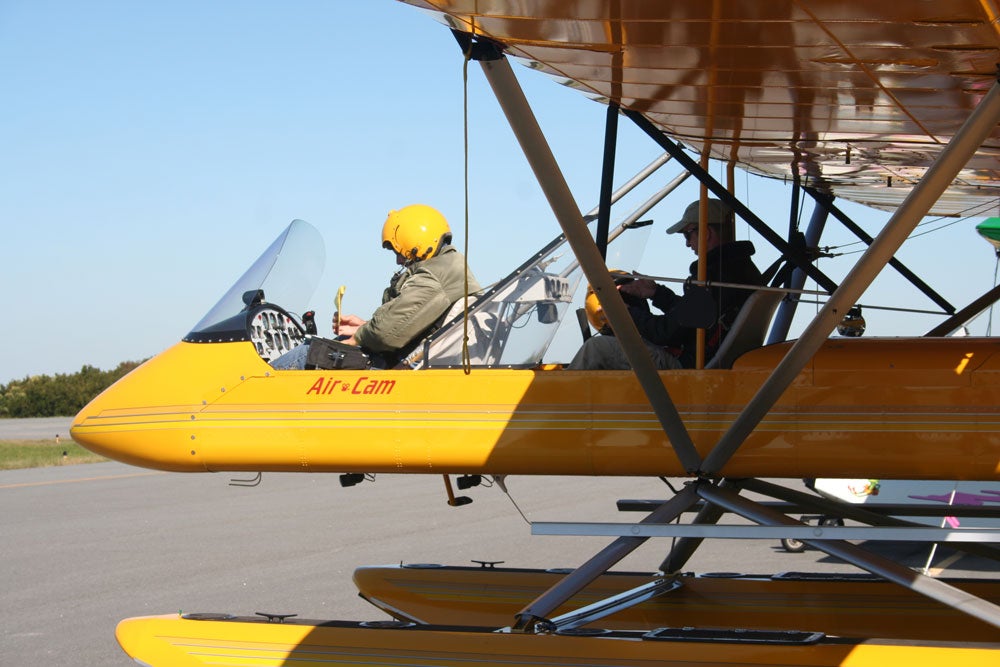
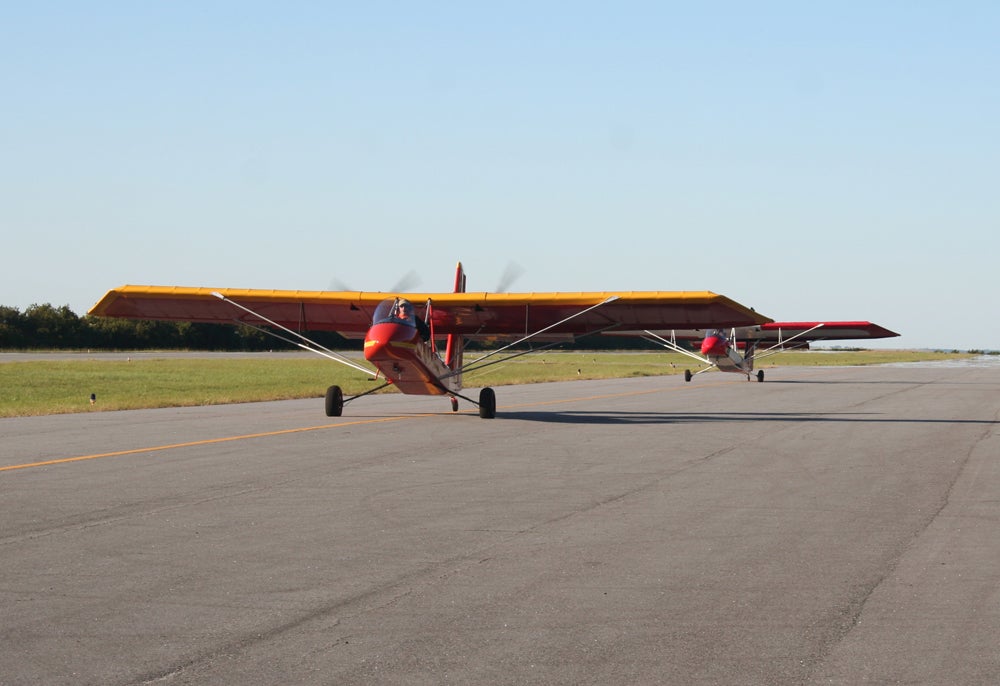
The Air Cam aircraft is specifically designed for slow, low-flying aerial sightseeing, offering unsurpassed visibility, as demonstrated during an event on Jekyll Island.
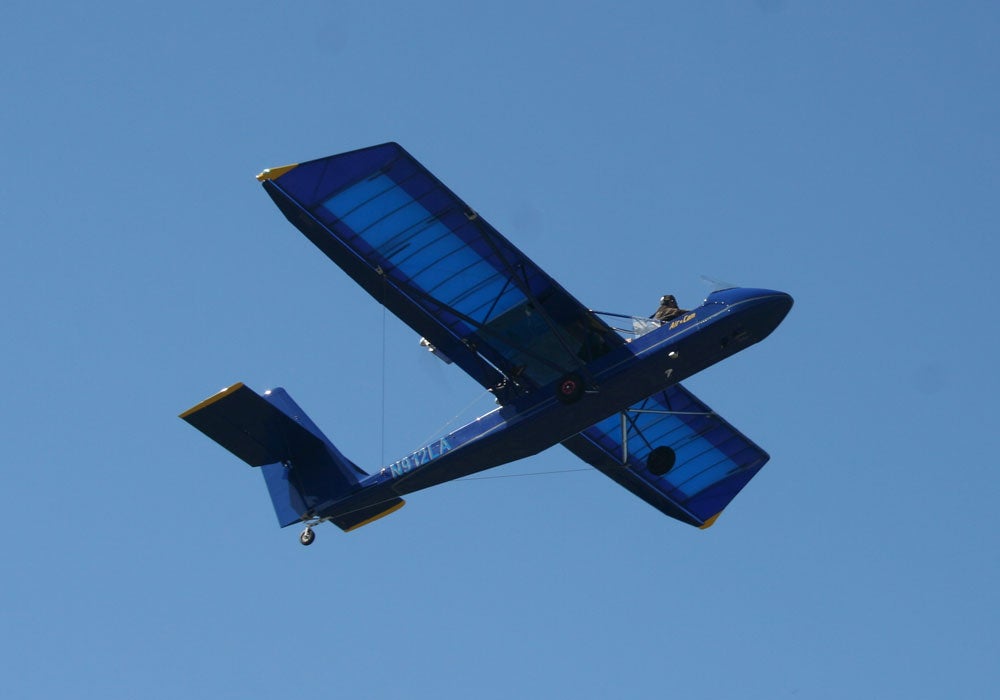
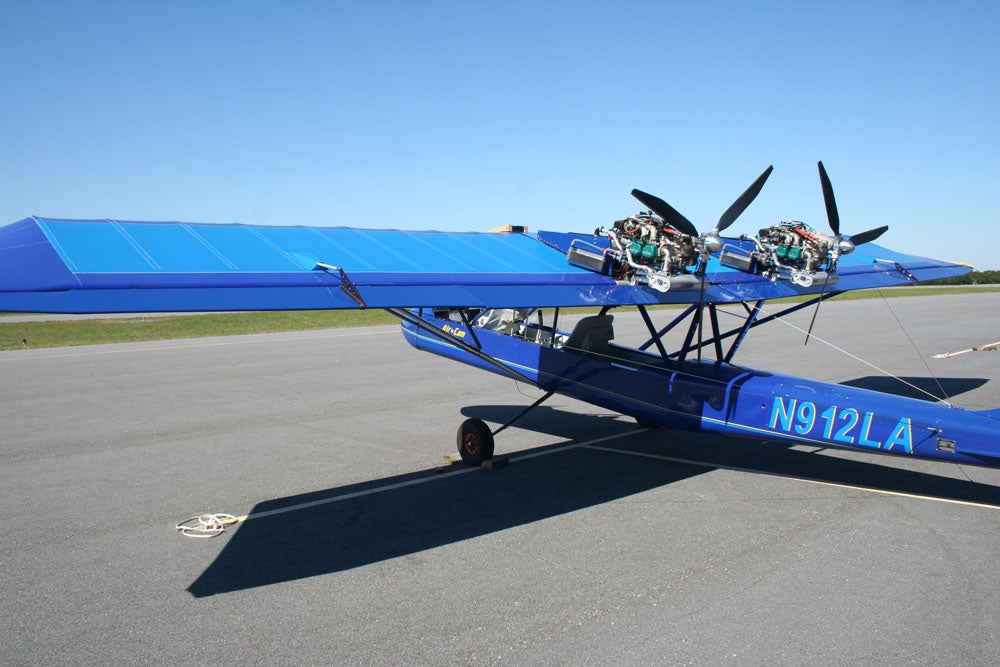
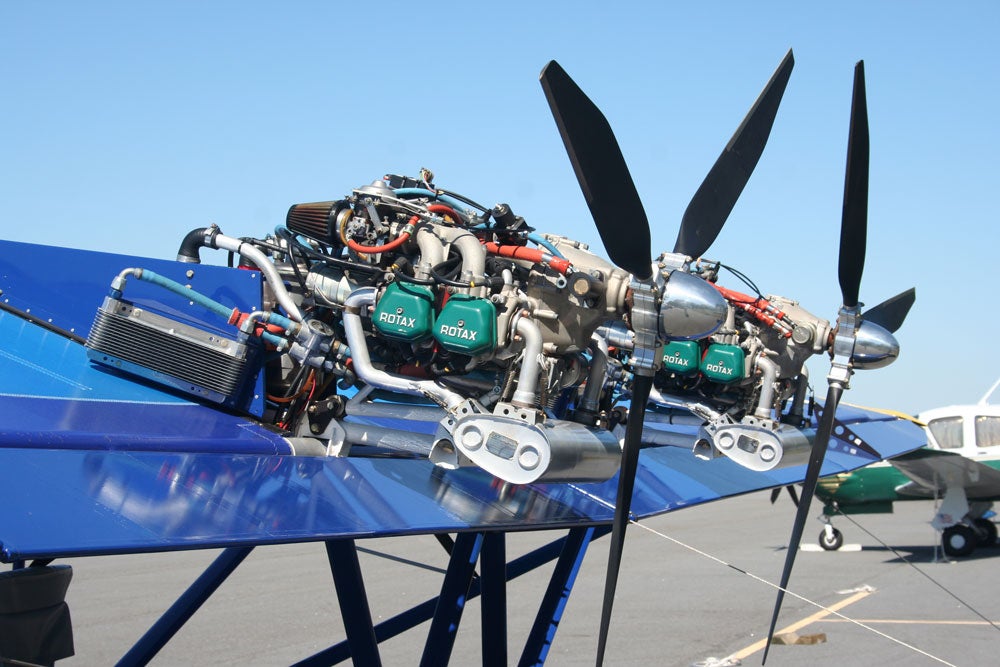
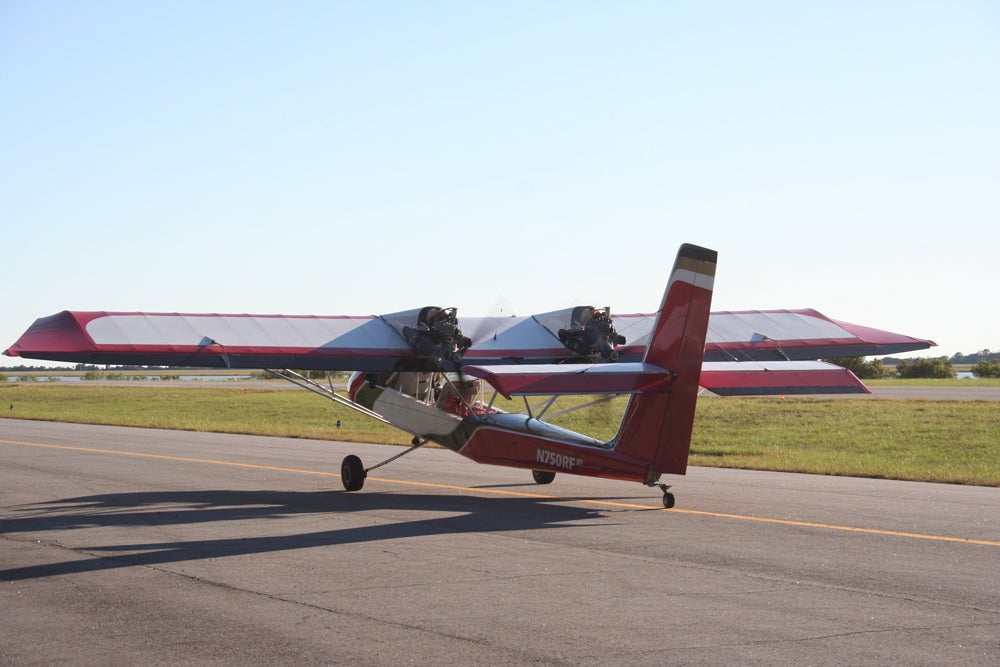
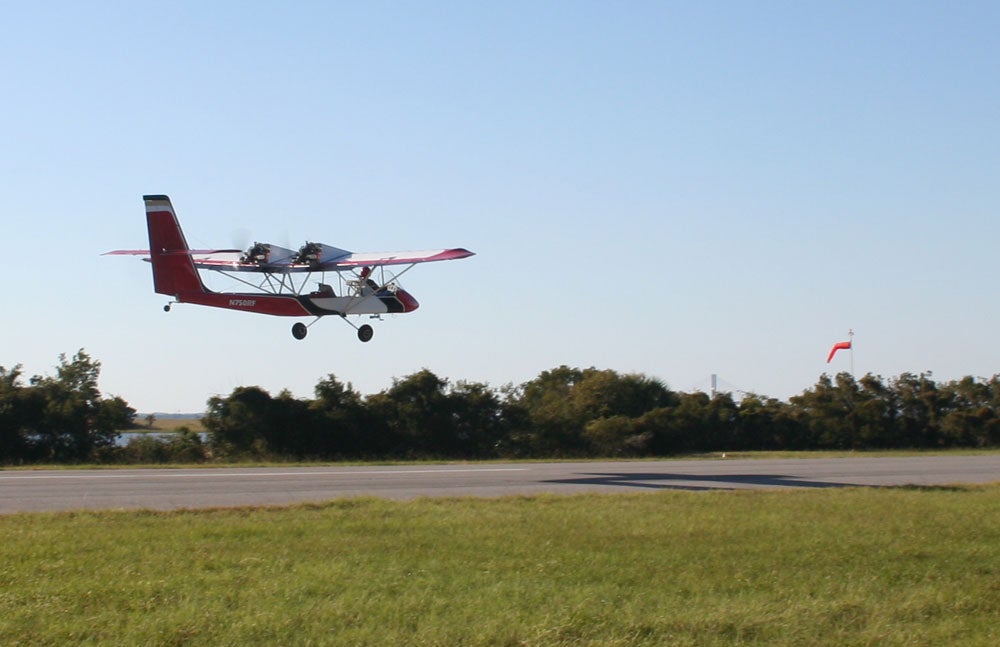
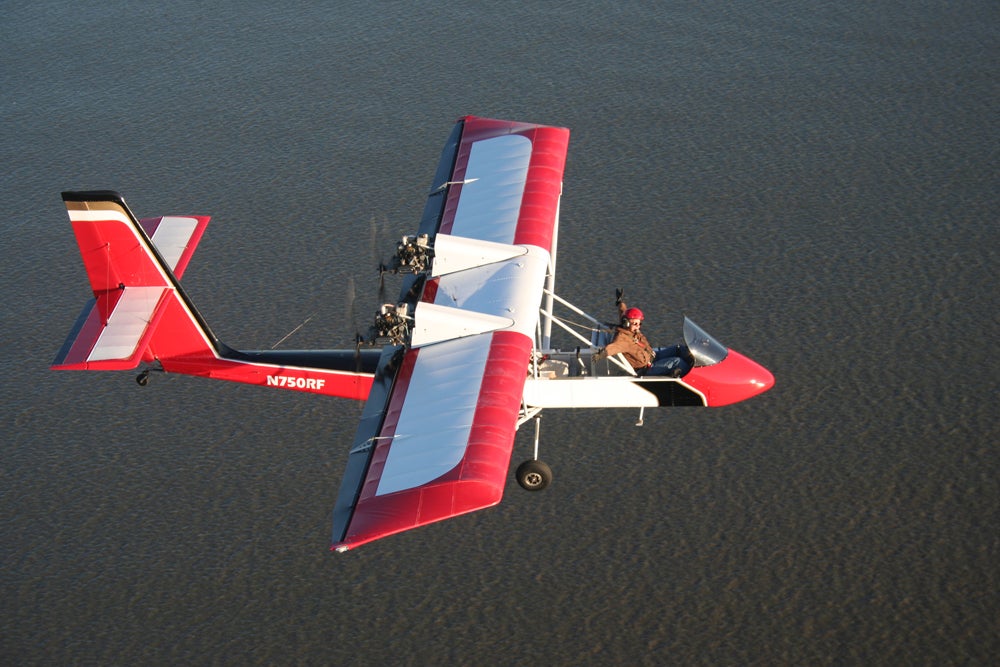
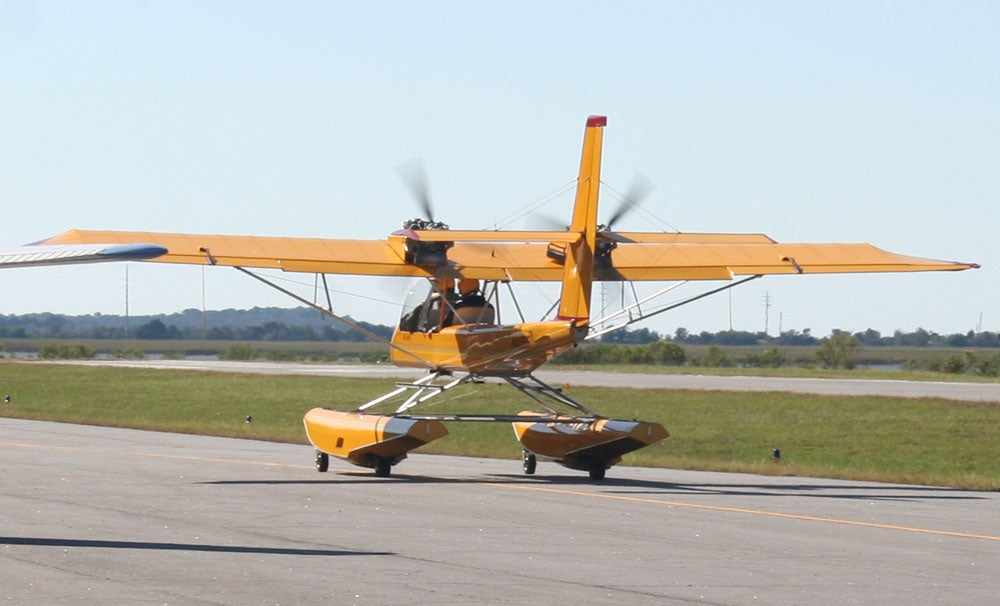
Powered by twin 100 hp Rotax 912 engines, the Air Cam provides enhanced security and cruises between 50-100 mph, despite its 1,040 lbs empty weight.
Designed by Phil Lockwood for a National Geographic project to ensure safety during remote flights in Africa, the Air Cam is available as a kit for approximately $100,000, requiring 650-1650 hours to build.
Air Cam pilots put the aircraft’s slow, low-flying capabilities to work in one of the region’s best sightseeing locales.
More than a handle of Air Cam pilots flew into 09J, a single strip airport on the island, for the event.The Air Cam’s unsurpassed visibility makes it the perfect airplane for aerial sightseeing, while Jekyll Island provided the scenery to match.With tidal marshland, wild horses and a nearby submarine base, Jekyll Island offered plenty to see for Air Cam pilots and passengers alike.The Air Cam cruises at speeds between 50 and 100 mph, providing the perfect slow flying capabilities for those looking to take in their surroundings.With an empty weight of 1,040 lbs, the Air Cam is far from an ultralight, despite its appearance.The plane is powered by four-stroke Rotax 912 engines, which took the place of the two-stroke Rotax 582 engines used in the original design.Each 912 engine pumps out 100 hp.The airplane holds 14 gallons of fuel for each engine.At 60 mph, the aircraft burns 3 gallons of fuel per hour.The roots of the Air Cam lie with the Drifter, an airplane introduced in the 1980s featuring a single high-mounted pusher engine directly behind the wing.**Phil Lockwood, the man behind the Air Cam design, developed the airplane after flying the Drifter in remote locations in Africa.
**During his low-flying in Namibia, Lockwood set his mind on a dual-engine design that would provide much-desired security.After National Geographic called on Lockwood to assist with another project, that design took shape.Lockwood built the airplane from scratch in six months.After returning to the United States, Lockwood began selling production Air Cam kits to aviation enthusiasts across the country, some of them former Drifter owners.The company has sold more than 170 kits to date.According to Lockwood, the airplane takes between 650 and 1650 hours to build.The kit sells for around $100,000.For more on the Air Cam, check out Robert Goyer’s story on the plane’s origins.
CREATE A FREE ACCOUNT
Sign up to keep reading
Create a free account to continue. Already a member? Sign in below.














 |
|
