













Register

Maintaining Light Sport Aircraft

The light sport aircraft (LSA) community holds strong promise to attract a new population of pilots for a variety of reasons, many of them overlapping. For some, the lower prices for a new airplane-some starting at around $40,000, compared to a base price of $175,000 for an FAA-certified Diamond DA20 Katana, as one example-holds appeal. For others, the draw is the reduced cost of learning to fly: A sport pilot certificate will set back a student between one-third to one-half the cost to obtain a private ticket. And, for some newcomers and a growing number of long-time pilots, the absence of a formal medical examination holds sway. Combined, these forces propelled the delivery of about 2500 factory-new LSAs in the three-plus years since the rules went into effect. Meanwhile, about 2200 have earned their sport pilot certificates and an as-yet unknown-and perhaps unknowable-number of existing pilots received formal transition training required to legally fly LSA-category aircraft.

Gemini Sparkle

Key Takeaways:

  • Light Sport Aircraft (LSA) appeal to pilots through lower aircraft costs, reduced flight training expenses for a sport pilot certificate, and the absence of a formal medical examination requirement.
  • LSA maintenance generally requires an annual "condition inspection," with manufacturers specifying standards and procedures for their simpler aircraft designs, which can lead to easier and quicker inspections.
  • Owners of Experimental Light Sport Aircraft (E-LSA) can obtain a Light Sport Repairman-Inspection (LSR-I) certificate to perform the annual condition inspection solely on their owned E-LSA, though this authorization does not permit general maintenance tasks.
  • While there's some terminology confusion, LSA owners can perform common preventative maintenance tasks, and an S-LSA can be converted to E-LSA status to enable owner-performed annual inspections, offering potential long-term savings.
See a mistake? Contact us.

The light sport aircraft (LSA) community holds strong promise to attract a new population of pilots for a variety of reasons, many of them overlapping. For some, the lower prices for a new airplane-some starting at around $40,000, compared to a base price of $175,000 for an FAA-certified Diamond DA20 Katana, as one example-holds appeal. For others, the draw is the reduced cost of learning to fly: A sport pilot certificate will set back a student between one-third to one-half the
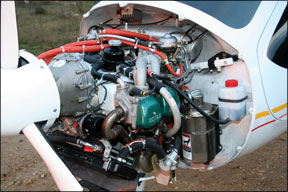
Light Sport Aircraft Engine Maintenance

288

Ready to Sell Your Aircraft?

List your airplane on AircraftForSale.com and reach qualified buyers.

List Your Aircraft
AircraftForSale Logo | FLYING Logo
Pilot in aircraft
Sign-up for newsletters & special offers!

Get the latest stories & special offers delivered directly to your inbox.

SUBSCRIBE

