










Register

Low over water

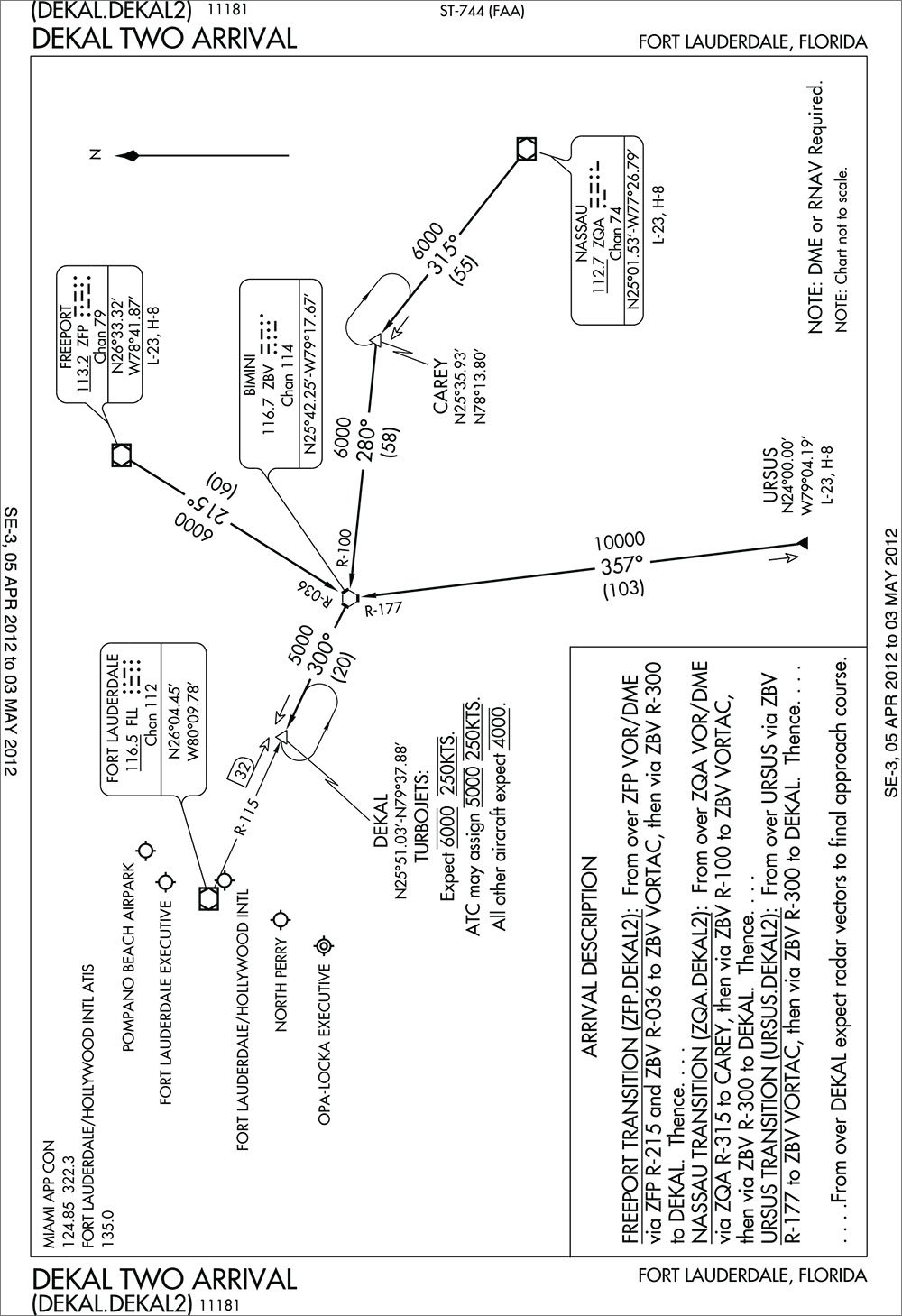
It may come as a surprise to you that, from time to time, we endanger our lives and that of our passengers, and sometimes even violate FARs, when we accept a clearance from ATC.

Gemini Sparkle

Key Takeaways:

  • Pilots hold ultimate responsibility for flight safety and regulatory compliance, which can override ATC instructions when conflicts arise.
  • Accepting ATC clearances, such as premature descents over water, can inadvertently create unsafe situations or violate FARs (e.g., 135.183 for single-engine aircraft), putting them beyond glide range to shore.
  • An ATC clearance does not authorize a pilot to deviate from regulations or minimum safe altitudes; pilots are empowered to decline unsafe clearances to ensure safety and legal adherence.
  • Many standard arrival routes (STARs) prioritize traffic flow, requiring pilots to actively evaluate and, if necessary, request alternative clearances for safety, especially concerning over-water operations.
See a mistake? Contact us.

ATC is in charge of traffic management, and we’re in charge of getting to our destination alive. When those responsibilities are in conflict, it’s up to us to prioritize.

Ready to Sell Your Aircraft?

List your airplane on AircraftForSale.com and reach qualified buyers.

List Your Aircraft
AircraftForSale Logo | FLYING Logo
Pilot in aircraft
Sign-up for newsletters & special offers!

Get the latest stories & special offers delivered directly to your inbox.

SUBSCRIBE


