











In August 8, 2009, a Piper PA-32R-300 Lance and a Eurocopter AS350BA collided over the Hudson River between New Jersey and Manhattan. The pilot and two passengers aboard the airplane, and the pilot and five passengers aboard the air-tour helicopter were killed. Both aircraft were substantially damaged. 288
Is See-And-Avoid Dead?
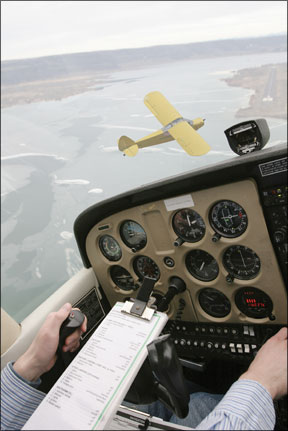
In August 8, 2009, a Piper PA-32R-300 Lance and a Eurocopter AS350BA collided over the Hudson River between New Jersey and Manhattan. The pilot and two passengers aboard the airplane, and the pilot and five passengers aboard the air-tour helicopter were killed. Both aircraft were substantially damaged. On September 14, 2010, the National Transportation Safety Board (NTSB) held a public hearing to approve its probable cause finding. The NTSB determined "the inherent limitations of the see-and-avoid concept...made it difficult for the airplane pilot to see the helicopter until the final seconds before the collision." The NTSB also found fault with a Teterboro Airport (TEB) tower controller, who was on a personal telephone call as the Piper departed the facility.

Key Takeaways:
- A 2009 mid-air collision over the Hudson River, which killed nine people, was controversially attributed by the NTSB primarily to the "inherent limitations of the see-and-avoid concept."
- This NTSB finding downplayed significant contributing factors, including a Teterboro Airport air traffic controller's distraction by a personal phone call, which led to a missed communication error and failed aircraft handoff.
- Despite both aircraft being equipped with collision avoidance systems (TIS) and other operational discrepancies, the NTSB prioritized pilot visual limitations, prompting debate about other systemic and human failures.
- Following the accident, new airspace rules and pilot training requirements were implemented for the Hudson River area to enhance safety.
Key takeaways sponsored by Aviator Pro | Start Your Training ->
See a mistake? Contact us.

