Register

System

Change Your Checklist

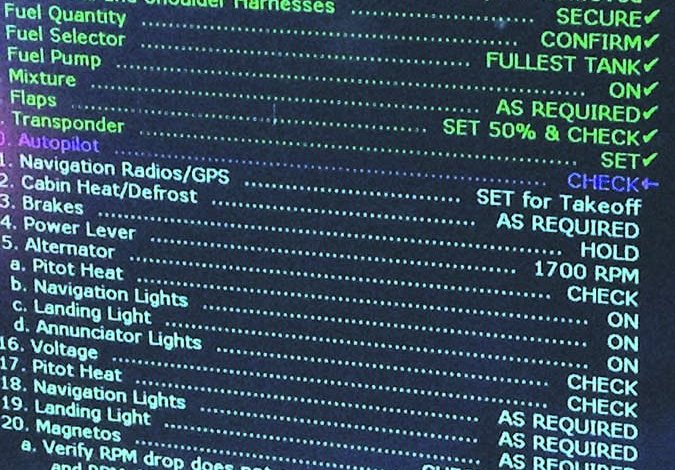
Checklists get taken for granted-settle into your seat in the cockpit, pull out the booklet or laminated cards, turn to the Before Engine Start page and start following the steps. Fire up the engine(s) and proceed down to After Engine Start and Before Taxi. Sound familiar? For most flying under 14 CFR Part 91, this read-then-do routine is the norm all the way to Parking and Securing. While many pilots with a fair amount of experience-particularly those with their own aircraft-will often go a step beyond and make their own checklists, there are far more efficient methods to get things done on time and in the proper order.
Read More »

You Need an Electronic Flight Bag

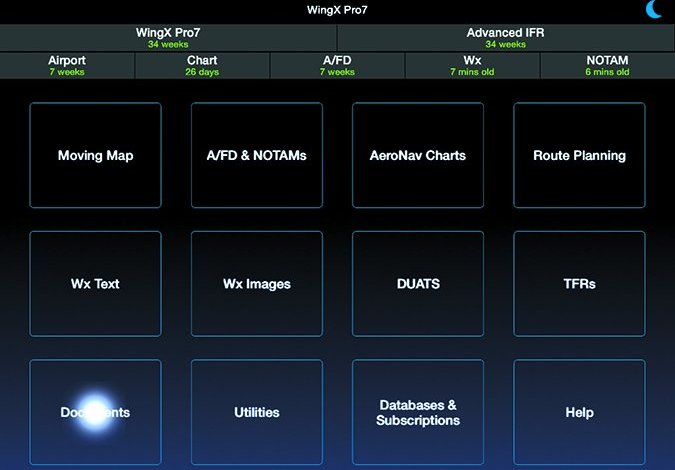
The AC defines an EFB as an electronic display system intended mainly for cabin or cockpit use. To that end, an EFB can display aviation data such as charts and make basic calculations such as time, fuel and distance calculations. An EFB can also include other databases, perhaps FARs, or additional applications such as crosswind, weight-and-balance and holding calculators.

Read More »

Using Standard Operating Procedures in General Aviation

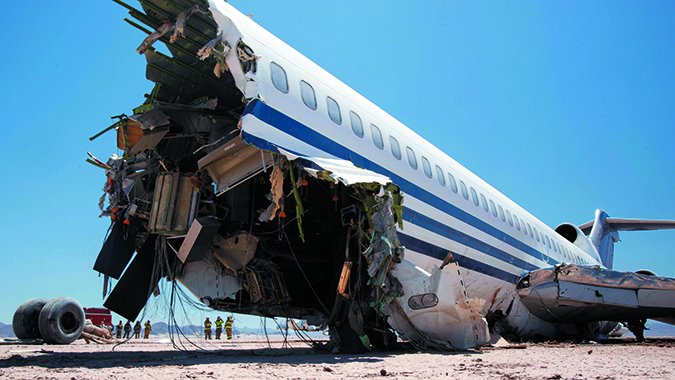
Some users of the National Airspace System live by Standard Operating Procedures (SOPs), and some do not. This is arguably the most significant difference between air carriers and general aviation when it comes to training, testing, and cockpit cultures. This is also, by some measures, a factor in accounting for the differences in accident rates. General aviation, particularly the single-pilot, personal-flying kind, relies not on the use of SOPs, but basic personal minimums for aeronautical decision making.

Read More »

The Medical Reform Bill, ADS-B Rebates and Hybrid-Electric Planes

After a long struggle and many failed attempts by general-aviation advocacy groups, new federal legislation was passed this summer that mandates changes in the way private pilots are medically certified. The B-29 Doc took to the air in July for the first time in 60 years, following thousands of hours of restoration work by scores of dedicated volunteers. With a deadline of 2020 looming for the owners of more than 100,000 general-aviation aircraft to install ADS-B capabilities, the industry and regulators are creating incentives to encourage owners to upgrade sooner rather than later. On July 4, Siemens completed the first public flight of its hybrid-electric motor installed in an Extra 330LE aerobatic airplane, from an airfield near Dinslaken, Germany.

Read More »

Readback August 2016

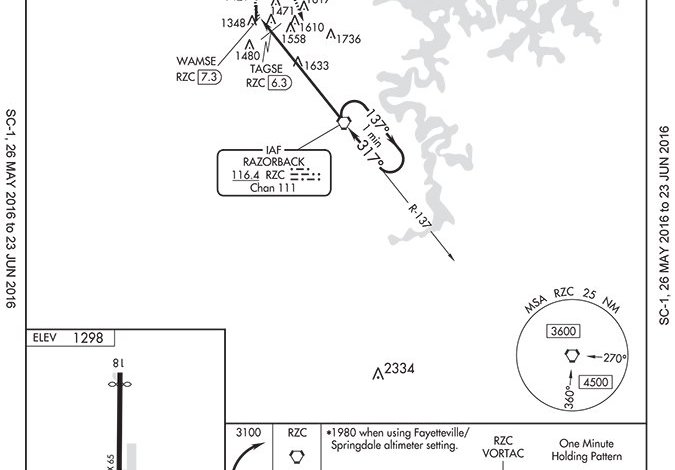
Certainly following the airways and the MEAs, and then descending over an initial approach fix or hold would be best. I was just thinking of a case when we werent on an airway, like between Keflavik, Iceland (BIKF) and Narsarsuaq, Greenland (BGBW). We wanted to make sure we were above the OROCA and MSAs for that area when we were descending. I guess we could have stayed at our filed FL170 until over the hold, but given that the airport is at sea level we wanted to start a prudently safe descent beforehand.

Read More »

CFIT on Departure

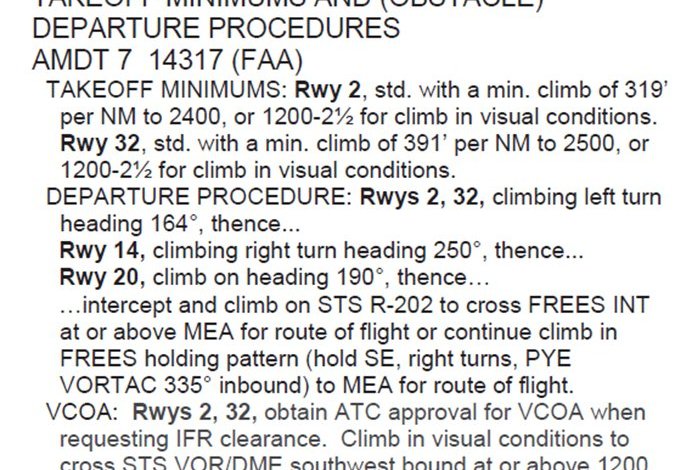
Pilot responsibilities differ from a controllers. The regs state, the pilot in command of an aircraft is directly responsible for, and is the final authority as to, the operation of that aircraft. This authority and responsibility is granted with the intention that its used to ensure safety-a pilots primary obligation. Yet, pilots keep having controlled flight into terrain (CFIT) accidents, often with fatalities. Its the second leading cause of commercial aviation fatalities worldwide. NTSB Board Member Robert Sumwalt described CFIT as the problem that never went away. CFIT frequently occurs at night or in IMC.

Read More »

Missed Approaches

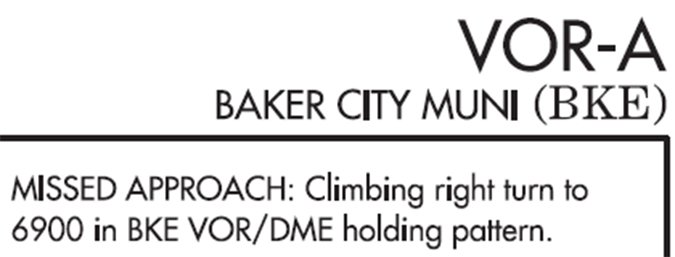
Climbing to hold over an airport to wait for better weather or traffic is nearly always referenced against a VOR that is located on or very close to the airport, so you really cant get lost. Plus, theres at least one runway right below in case of any issues that might develop. Whats more, obstacle clearance is straightforward-poles, towers and trees are only so tall and you dont have to worry about encountering significant terrain rising up from the airport itself.

Read More »

Losing Interest?

Why do we fly? Are we so shallow a species that for many of us the reason is the excitement, the unique specialness? With that diminishing, are we so superficial that we give up flying? There are, of course, many motivations for potential and ongoing aviators. For some people, flying is simply a job. I really feel sorry for those unfortunate souls.

Read More »

On the Beat

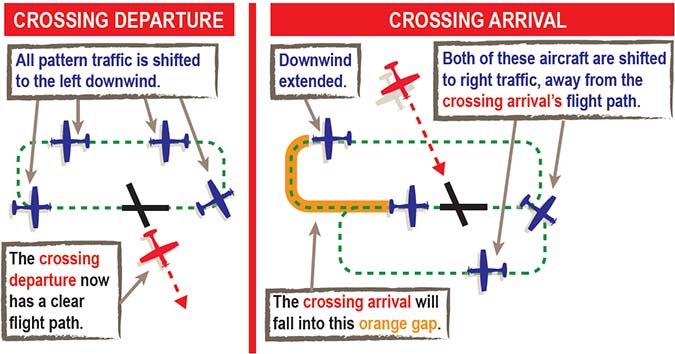
If the airport requires a call to Clearance Delivery for an IFR clearance or VFR departure, you neednt wait until you call Ground for taxi. Just tell CD. After the controller verifies your clearance readback, tell her, Ill be requesting Runway 9. Youve now informed a member of the tower team. They can let you know about any possible issues regarding that runway. Also, when you call for taxi, Ground should be aware of your needs.

Read More »

Certification Using ACS

After years of living with a multitude of imperfections in the process of certifying airmen, in September 2011 the FAA decided to act. Now nearly five years later, a totally revamped system called Airman Certification Standards (ACS) is planned to take effect on June 15, 2016, starting with Private Pilot and Instrument Airplane certification.

Read More »
Pilot in aircraft
Sign-up for newsletters & special offers!

Get the latest stories & special offers delivered directly to your inbox.

SUBSCRIBE