Register

System

Readback: February 2017

Not sure if this is a question or a frustration, but after reading the August 2016 quiz about PIREPs, it made me wonder why there are so few PIREPs in the system. It appears that most reports of icing, tops, and bases that are given to ATC never make it into the PIREP system. Most of us frequently report these conditions when departing or arriving, however I seldom take the time to change frequency and submit an official PIREP. Is there a process or key phrase that we can say to ATC to ask them to submit the PIREP on our behalf. Seems like if a pilot reports icing in climb or in descent to departure or approach, ATC should submit that report as a PIREP.
Read More »

New Jeppesen SIDS and STARS

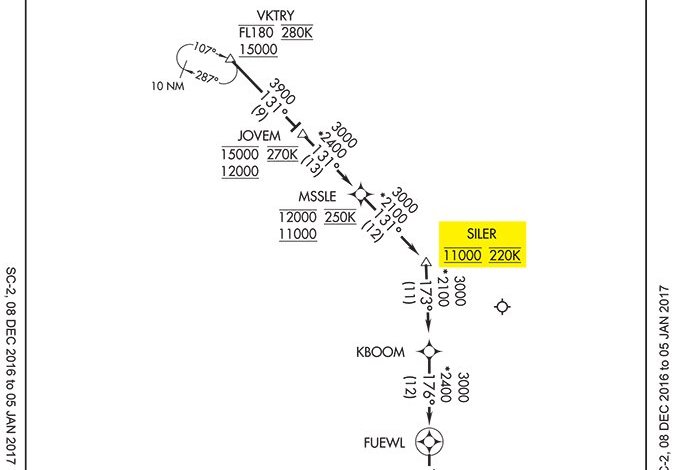
Airspace redesign, increased use of RNAV and optimum climb/descent profiles complicate and clutter STARs and SIDs. Procedure complexity previously stemmed from complicated lateral paths. Course changes and cross-radials required frequencies to be tuned and OBS knobs spun like the man behind the curtain. (Im supposed to identify each of these stations too?) The HAARP arrival into LaGuardia is an example: tracking outbound on Kingston R-203, the number two radio is set on Deer Park R-338, then number one on the Pawling R-211 or Huguenot R-107 to identify BASYE intersection.

Read More »

The IFR Simulation Challenge

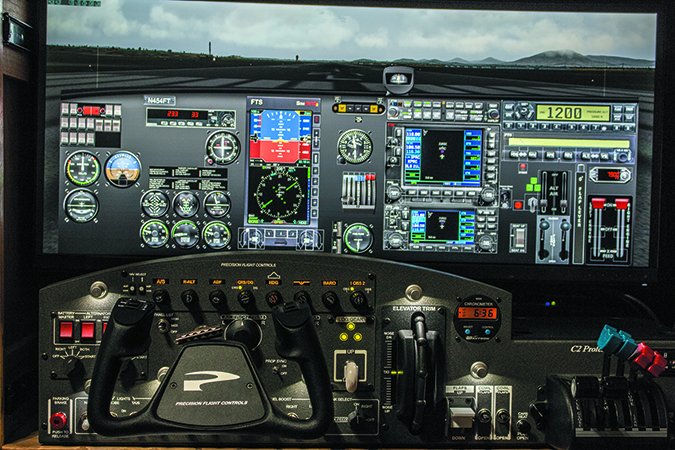
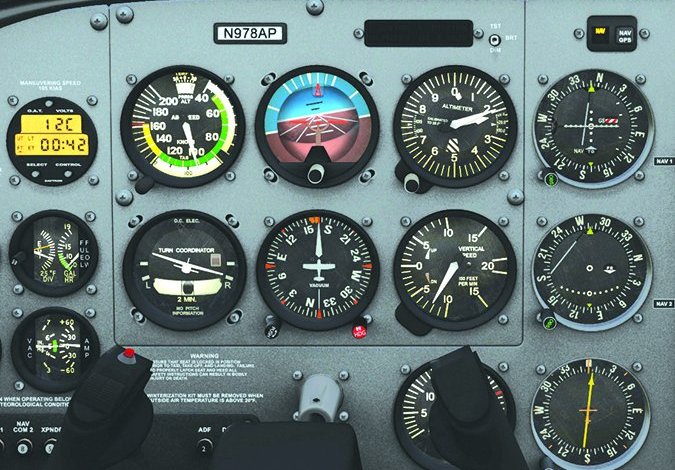
A friend of mine used to work in customer support for a simulator manufacturer. He told me the most common customer support question was: OK, Im sitting at the end of the runway. Now what? Imagine a pilot in the real world pondering an equivalent question. There you are sitting at the end of the runway, engine running, and thinking, Hmm. What should I do with this airplane? Yet thats the abyss many folks face-and turn their backs on-when trying to use a simulator for proficiency.

Read More »

How We Goof with ATC

Periodically, NASAs Aviation Safety Reporting System publishes many of the most meaningful ASRS report submissions that relate to various specific aspects of aviation, such as weather, near-midairs, GPS and the like. We looked at these selected reports covering Air Traffic Control, with a view toward lessons we can learn in dealing with ATC, better practices we can follow, and generally ways to do things better. Youll note two recurring themes. The first is incorrect pilot readbacks of controller instructions and controllers not catching the mistake. The second is pilots turning incorrectly left, right or to the wrong heading, or similar errors with altitude, as in this first case below.

Read More »

Currency Reflections

Some of you might recall that almost two years ago I retired as an airline captain. Then, due to various circumstances both in and out of my control, I took a year hiatus from all self-piloted flight. The result was some serious catching up to do to get ready to fly my own personal flivver. Being an opportunistic magazine editor, I used that need to also create a number of articles for the magazine about the process.

Read More »

Reader Feedback: January 2017

This gets into how these various Advisory Circulars are updated. Once an AC is issued, its assigned a number and a version letter, such as AC 00-45G, Aviation Weather Services. That version can be revised by issuing changes. So, the full specification of the most recent document is AC 00-45G, Change 2. The main document-original version-is what is returned by the various searches; youve got to dig just a bit further to find the changed versions.

Read More »

Rotary Revelations

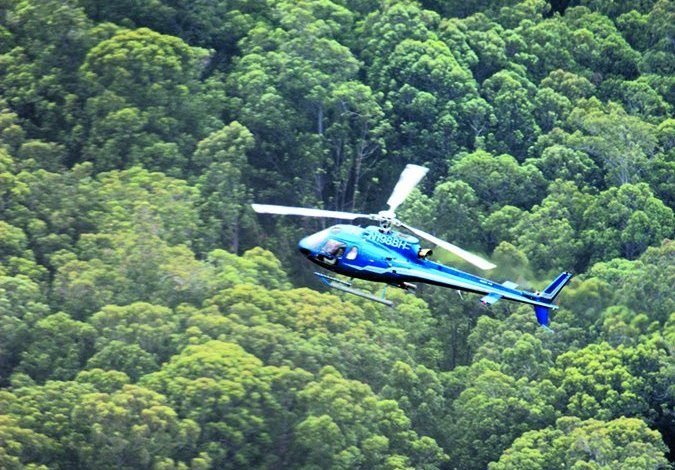
Growing up, I enjoyed Vietnam War helicopter-pilot memoirs, like Robert Masons Chickenhawk. U.S. Army Air Cavalry helos were a lifeline for American troops, but clear landing zones were rare in the deep jungle. Pilots got creative when wounded soldiers and critical supplies were on the line. Mason describes literally hacking down trees with the main rotor of his UH-1 Huey to land where he needed to be.

Read More »

Trust ATC, But Verify

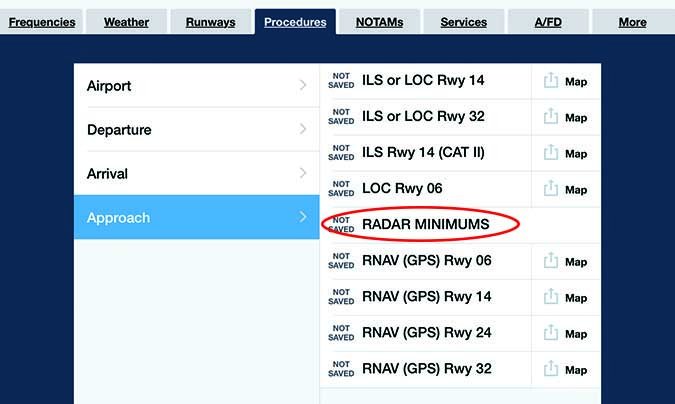
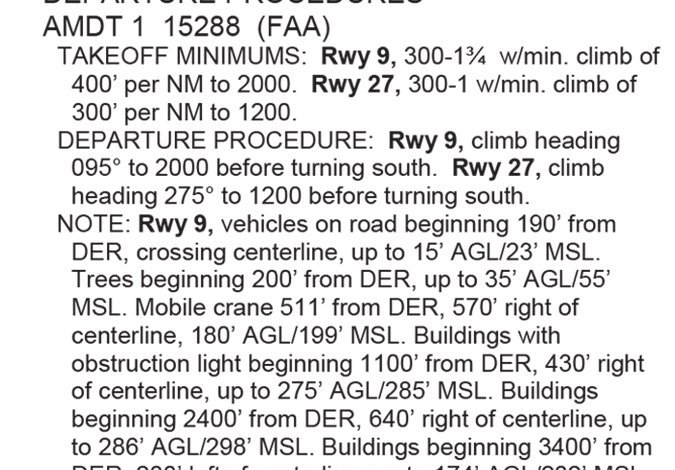
We spend most of our IFR lives wrapped in the warm cocoon of radar coverage, vectored from point to point by the all-seeing presence of ATC. And while controllers are human and occasionally make mistakes, the checks and safety nets in place rarely result in close calls, let alone bent metal. Its also true that when clearances get tight in the final descent to the airport, responsibility is handed over to the pilot.

Read More »

Pilot Monitoring

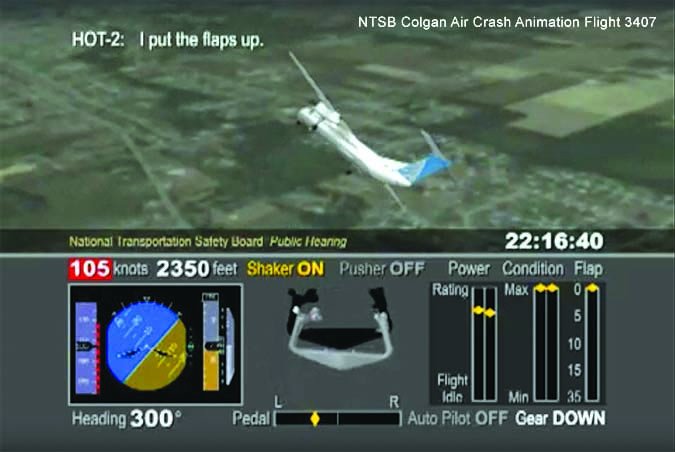
To assume that an aircraft automation system has a will of its own and will try to kill us would be anthropomorphic. Autopilots and other automation systems have not reached that stage of sophistication. Not yet. What can-and too often does-happen, however, is that flight crews turn the flying duties over to the autopilot and relax. With frightening repetition, this ends in disaster.

Read More »
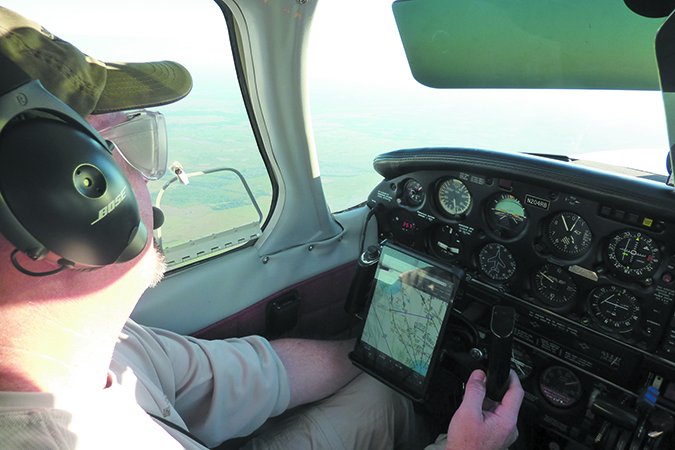
Pilot in aircraft
Sign-up for newsletters & special offers!

Get the latest stories & special offers delivered directly to your inbox.

SUBSCRIBE