













How Is an Engine Failure Handled on a Boeing 777?

Considering that a Boeing 777-300 with GE 90-115 engines has a thrust rating of 115,000 pounds per side, the resulting asymmetric thrust from a failure is a force to be reckoned with.

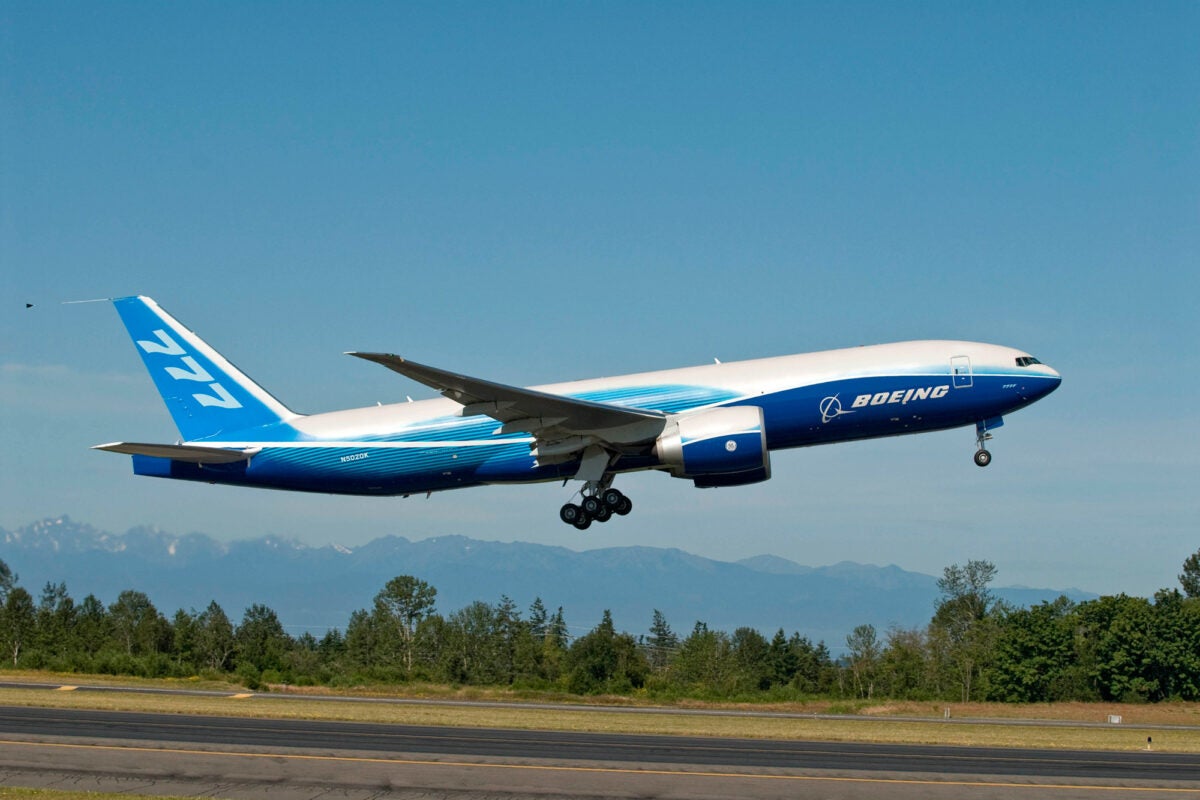
The reaction of a 777 pilot should be to recite the iconic verbiage of, “Dead foot, dead engine,” and then apply foot pressure to the appropriate rudder pedal. [Courtesy: Boeing]
Gemini Sparkle

Key Takeaways:

  • A Boeing 777 engine failure results in significant asymmetric thrust, managed by hydraulic rudder pressure and an electronic flight control system.
  • Pilots address an engine failure by applying rudder pressure according to the "Dead foot, dead engine" principle.
  • The 777 features a Thrust Asymmetry Compensation (TAC) system that automatically applies rudder pressure when engine thrust differs by more than 10%, assisting the pilot, especially at low speeds during takeoff.
See a mistake? Contact us.

QUESTION: How is an engine failure handled on a Boeing 777?

Answer: Considering that a Boeing 777-300 with GE 90-115 engines has a thrust rating of 115,000 pounds per side, the resulting asymmetric thrust from a failure is a force to be reckoned with. Granted, 3,000 psi of hydraulic pressure to the rudder and an electronic flight control system helps a lot. But there’s a bit more to it.

Like any twin-engine airplane, the reaction of a 777 pilot should be to recite the iconic verbiage of, “Dead foot, dead engine,” and then apply foot pressure to the appropriate rudder pedal.

At low speed during the takeoff phase, a lot of foot pressure would be required if it weren’t for the 777’s bonus system of TAC (Thrust Asymmetry Compensation). After sensing differential engine thrust of greater than 10 percent, the TAC applies enough rudder pressure to keep the airplane from rolling while allowing the pilot to sense the correct input, adding just enough of his own pressure

Do you have a question about aviation that’s been bugging you? Ask us anything you’ve ever wanted to know about aviation. Our experts in general aviation, flight training, aircraft, avionics, and more may attempt to answer your question in a future article.

Les Abend

Les Abend is a retired, 34-year veteran of American Airlines, attempting to readjust his passion for flying airplanes in the lower flight levels—without the assistance of a copilot.

Ready to Sell Your Aircraft?

List your airplane on AircraftForSale.com and reach qualified buyers.

List Your Aircraft
AircraftForSale Logo | FLYING Logo
Pilot in aircraft
Sign-up for newsletters & special offers!

Get the latest stories & special offers delivered directly to your inbox.

SUBSCRIBE
