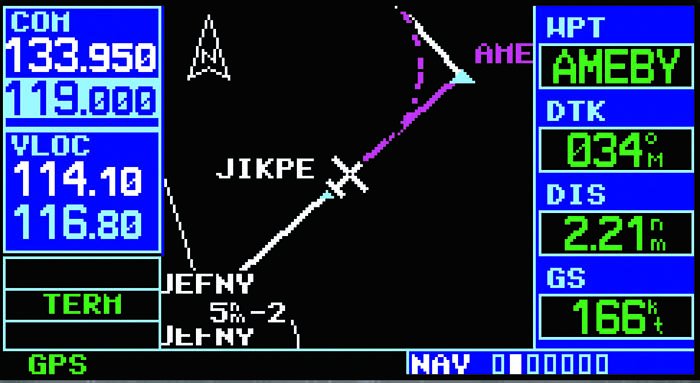
I was thrilled when the first LORAN with waypoint databases made life ever so much easier and, ultimately, safer through improved situational awareness. But it came at a cost to keep the data current, and all of us pilots have objected to the cost from day one. As a result, many pilots choose to fly without the latest digital data.
Flying with outdated digital navigation data, often due to cost, creates significant safety risks as pilots tend to over-rely on automated systems without active verification, unlike with paper charts.
Outdated data can lead to confusion, delays, blown approaches, or even collisions, stemming from missing additions, unreferenced deletions, or critically, modified procedures like altitudes or frequencies.
To mitigate these dangers, pilots should maintain current primary databases and actively cross-reference digital information with up-to-date paper charts or supplementary portable digital sources, as the investment in current data outweighs the potential hazards and stress of outdated information.
I was thrilled when the first LORAN with waypoint databases made life ever so much easier and, ultimately, safer through improved situational awareness. But it came at a cost to keep the data current, and all of us pilots have objected to the cost from day one. As a result, many pilots choose to fly without the latest digital data.
CREATE A FREE ACCOUNT
Sign up to keep reading
Create a free account to continue. Already a member? Sign in below.