









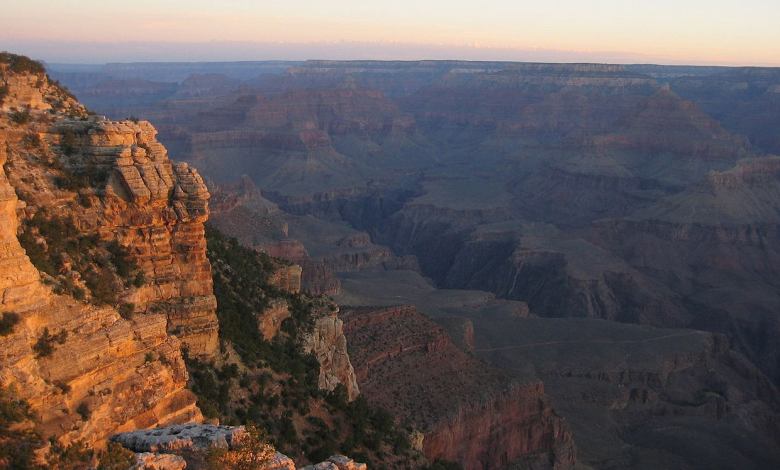
Aftermath of the 2015 Crash of a Beech B33 Debonair
In August 2015, a Florence, South Carolina, doctor, 51, left his home field early in the morning on a vacation trip whose eventual destination was the Grand Canyon.


In August 2015, a Florence, South Carolina, doctor, 51, left his home field early in the morning on a vacation trip whose eventual destination was the Grand Canyon.

Do you know the difference between civil twilight, nautical twilight and astronomical twilight?
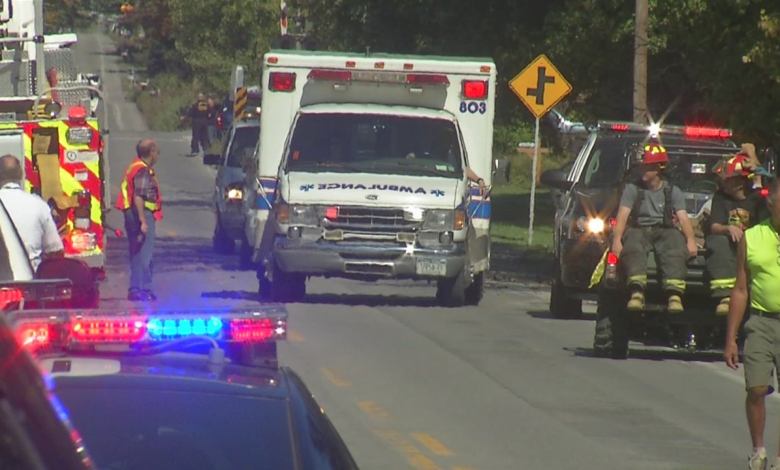
In September 2014, a Cessna 172 overtook and collided with a homebuilt Searey amphibian on final approach to the Buffalo-Lancaster Regional Airport (KBQR) in Lancaster, New York. The 172 pilot, 78, with 2,500 hours, and his 14-year-old passenger died when their airplane spiraled out of control and crashed. Remarkably—since one tends to think of midair […]
The C35 Bonanza, N5946C, was cruising at 6,500 feet when there was a sudden loud bang from the engine compartment, followed by a smell of oil.
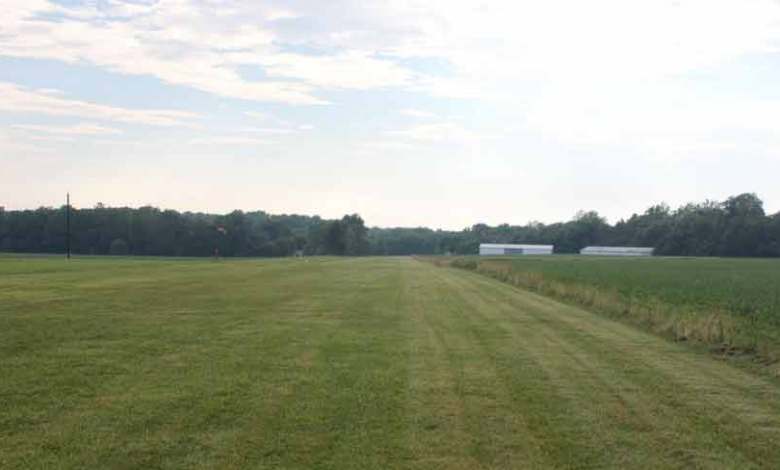
The investigator concluded that the probable cause of the accident was improper soft-field-takeoff technique.
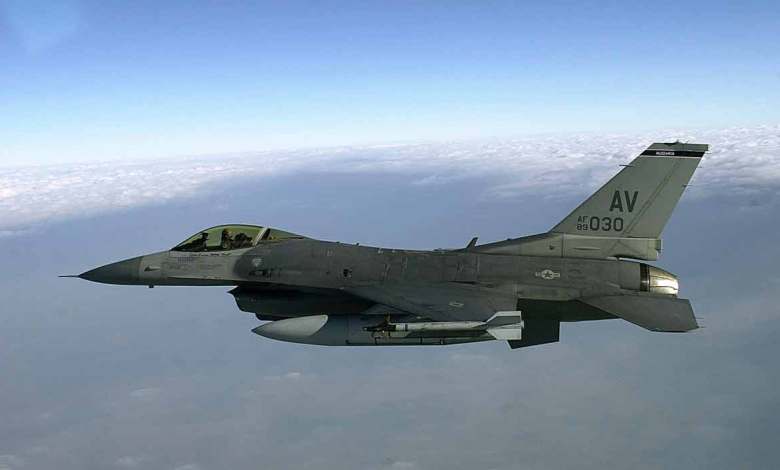
After decades of faulting pilots involved in collisions or near-misses for inadequate vigilance, the NTSB now officially concedes that see-and-avoid is a highly unreliable system.

When the airplane entered the clouds, there was no turning back.
The facts surrounding this Illinois accident just might paint a different picture.
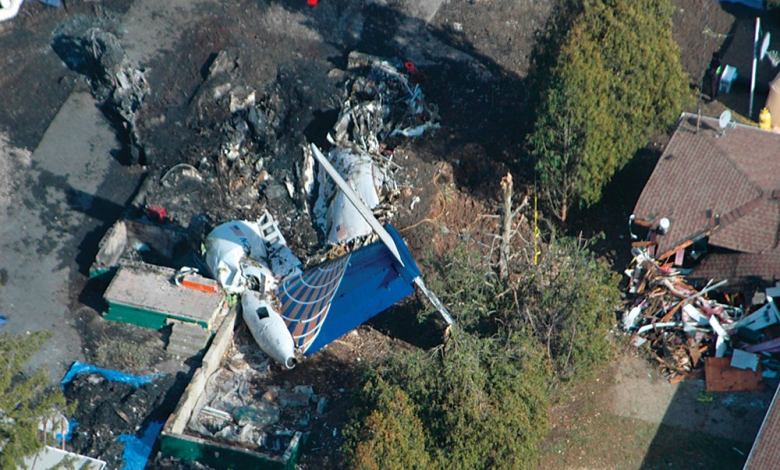
A look at the NTSB’s report on the February 2009 crash in Buffalo, New York.

Get the latest stories & special offers delivered directly to your inbox.
SUBSCRIBE