













Register

Experimental Aircraft Safety

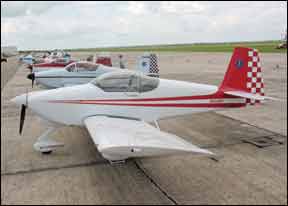
According to the NTSB, “Experimental amateur-built (E-AB) aircraft represent nearly 10 percent of the U.S. general aviation fleet, but these aircraft accounted for approximately 15 percent of the total—and 21 percent of the fatal—U.S. general aviation accidents in 2011.” With those numbers in mind, along with the fact E-ABs represent one of the fastest-growing portions of general aviation in the U.S., the NTSB last year initiated a major study of the segment.The study’s results were adopted by the NTSB in May 2012, after detailed analysis of accident records going back 10 years, in-depth investigations of all E-AB accidents during 2011, a broad survey of E-AB aircraft builders and wide-ranging discussions with industry. What, if anything, did they find? What were the study’s recommendations? Most important, can the study’s results be applied to those of us not flying so-called “homebuilt” aircraft?

Gemini Sparkle

Key Takeaways:

  • Experimental amateur-built (E-AB) aircraft have a disproportionately higher accident rate, especially fatal accidents, compared to other general aviation aircraft, primarily due to powerplant failures and in-flight loss of control.
  • A significant contributing factor to these accidents is pilots' low time in type for the specific aircraft, particularly during the first flights of newly built or newly purchased E-AB aircraft.
  • The NTSB study highlights a critical need for improved access to specialized transition training and comprehensive performance information for E-AB pilots to effectively reduce accident occurrences.
See a mistake? Contact us.

According to the NTSB, “Experimental amateur-built (E-AB) aircraft represent nearly 10 percent of the U.S. general aviation fleet, but these aircraft accounted for approximately 15 percent of the total—and 21 percent of the fatal—U.S. general aviation accidents in 2011.” With those numbers in mind, along with the fact E-ABs represent one of the fastest-growing portions of general aviation in the U.S., the NTSB last year initiated a major study of the segment.
The study’s results were adopted by the NTSB in May 2012, after detailed analysis of accident records going back 10 years, in-depth investigations of all E-AB accidents during 2011, a broad survey of E-AB aircraft builders and wide-ranging discussions with industry. What, if anything, did they find? What were the study’s recommendations? Most important, can the study’s results be applied to those of us not flying so-called “homebuilt” aircraft?

288


Ready to Sell Your Aircraft?

List your airplane on AircraftForSale.com and reach qualified buyers.

List Your Aircraft
AircraftForSale Logo | FLYING Logo
Pilot in aircraft
Sign-up for newsletters & special offers!

Get the latest stories & special offers delivered directly to your inbox.

SUBSCRIBE